

Saudi keeps top China crude spot as Iran plunges

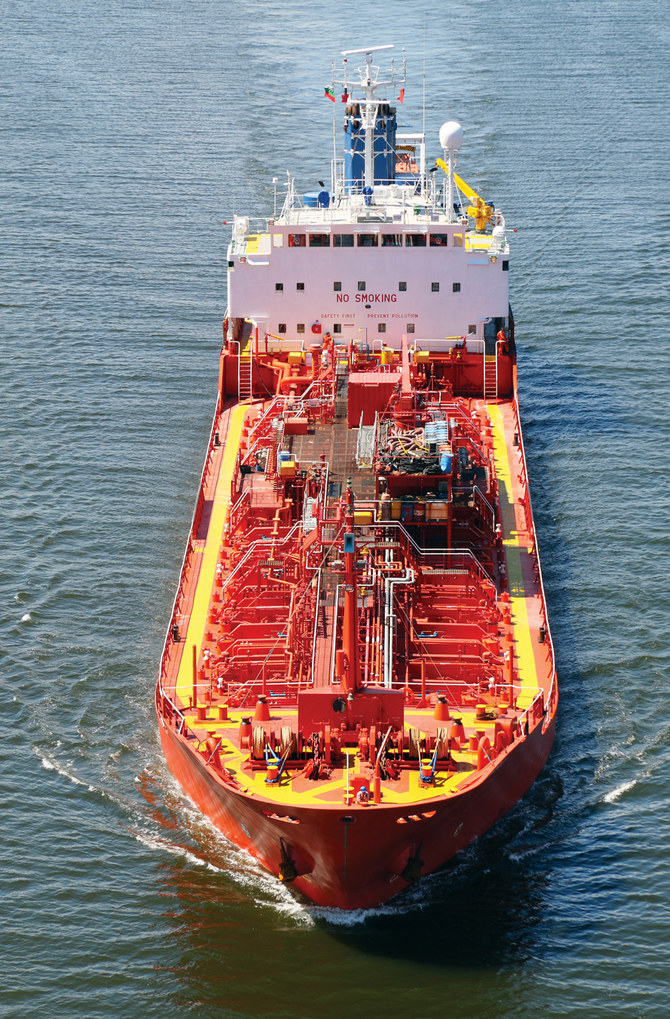
Despite attacks in the Strait of Hormuz and on the Kingdom, tankers continue to supply China with record amounts of Saudi crude. (Shutterstock)
Updated 26 September 2019
Follow

Saudi keeps top China crude spot as Iran plunges

  • Despite attacks on Gulf refineries, Riyadh to Beijing oil flows continue to grow

BEIJING: Saudi Arabia held on to its spot as China’s largest supplier of crude in August for the second straight month, official customs data showed on Wednesday, although this month’s attack on Saudi oil processing facilities may end the run. 

Saudi oil arrivals in August in China, the world’s biggest oil importer, reached 7.79 million tons, or 1.83 million barrels per day (bpd), data from the General Administration of Customs showed, compared with 6.99 million tons in July and nearly double the previous year. 

Amid sanctions by the US on Tehran and rising Middle East tensions, China’s oil imports from Iran were 787,657 tons, down from July’s 926,119 tons and far below 3.28 million tons of a year ago. 

Most of the August arrivals were discharged at Jinzhou and Tianjin ports in China’s northeast, where it has state reserve and commercial tanks, indicating volumes continuing to flow into the country’s strategic storage sites, according to Refinitiv Oil Research. 

China said days after the drone attack on Saudi oil facilities that knocked out half the output of the world’s top oil exporter that the nation’s crude reserves, including stocks held at strategic petroleum storage sites and commercial inventories, were sufficient to cover 80 days. 

Imports of US crude oil reached 1.01 million tons last month, versus 1.5 million tons in July, with volumes likely to more than halve in September as Beijing started levying a 5 percent tariff as the trade war with the US escalated.

Imports from Russia, China’s second largest supplier for August, reached 6.02 million tons, up from 5.673 million tons in July and 5.7 million tons in August last year. 

Oil prices fell for a second day on Wednesday amid worries fuel demand could fall after US President Donald Trump doused recent optimism over China-US trade talks.

Brent crude futures were down by more than a dollar in early London trade on Wednesday. Nevertheless, the benchmark remains on track for its first monthly gain since June.

“Focus will return to faltering oil demand concerns as there is unlikely to be any quick resolution to US-China trade differences to positively shift economic expectations,” global oil strategist at BNP Paribas Harry Tchilinguirian told the Reuters Global Oil Forum.

Trump criticized China’s trade practices at the UN General Assembly on Tuesday and said he would not accept a “bad deal” in US-China trade negotiations.

New ownership rules spark foreign demand for Saudi real estate

Updated 9 sec ago
Follow

New ownership rules spark foreign demand for Saudi real estate

RIYADH: Property developers in Saudi Arabia are seeing increased interest from international investors following the Kingdom’s recent amendments to real estate ownership laws, industry figures told Arab News.

Speaking at the Real Estate Future Forum in Riyadh, developers said the new regulations permitting foreign ownership of land are beginning to influence market behavior, including decisions by developers and speculators.

The updated regulatory framework officially came into effect on Jan. 22, enabling non-Saudis to apply for property ownership through the Saudi Arabia Real Estate digital platform.

Under the new rules, foreign individuals, companies, and entities are allowed to own property across the Kingdom, including in major urban centers such as Riyadh and Jeddah. Ownership in Makkah and Madinah, however, remains limited to Saudi companies and Muslim individuals.

Developers say the policy shift is already shaping large-scale projects, including Alma Destination on the Red Sea coast.

The waterfront mixed-use tourism development is opening opportunities for hospitality operators and investors, with plans encompassing residential units, hospitality offerings, marina facilities, and entertainment venues.

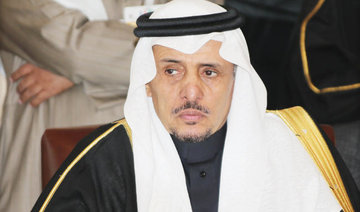
Zuhair Bakheet, CEO of Al Thuraya Al Omranya Properties and master developer of Alma Destination. Supplied

Zuhair Bakheet, CEO of Al Thuraya Al Omranya Properties and master developer of Alma Destination, said the project’s location in Jeddah, situated between the holy cities of Makkah and Madinah, enhances its appeal to international buyers.

“If we attract people who would love to have a unit within the Makkah and Madinah region, it’s a good option. If we think of Muslim countries like … Malaysia, Indonesia, Egypt, they would love to have a unit within close proximity of the holy cities,” he said.

Another developer factoring the regulatory change into its strategy is Emaar Economic City, the main developer of King Abdullah Economic City.

Emaar Economic City Chief Investment Officer Ali Al-Khatib told Arab News that the new framework represents a major shift for the sector. “We believe these new regulations for non-Saudi ownership are a significant turning point in the real estate sector in the Kingdom, and specifically for King Abdullah Economic City.

“We’ve already seen interest before the system was launched from last year … we’ve had interests from all around the world from Southeast Asia, from Africa, from Europe, from the West.”