New ownership rules spark foreign demand for Saudi real estate

Experts during a panel discussion at the Real Estate Future Forum in Riyadh. Supplied
Short Url
Updated 28 January 2026
Follow

New ownership rules spark foreign demand for Saudi real estate

RIYADH: Property developers in Saudi Arabia are seeing increased interest from international investors following the Kingdom’s recent amendments to real estate ownership laws, industry figures told Arab News.

Speaking at the Real Estate Future Forum in Riyadh, developers said the new regulations permitting foreign ownership of land are beginning to influence market behavior, including decisions by developers and speculators.

The updated regulatory framework officially came into effect on Jan. 22, enabling non-Saudis to apply for property ownership through the Saudi Arabia Real Estate digital platform.

Under the new rules, foreign individuals, companies, and entities are allowed to own property across the Kingdom, including in major urban centers such as Riyadh and Jeddah. Ownership in Makkah and Madinah, however, remains limited to Saudi companies and Muslim individuals.

Developers say the policy shift is already shaping large-scale projects, including Alma Destination on the Red Sea coast.

The waterfront mixed-use tourism development is opening opportunities for hospitality operators and investors, with plans encompassing residential units, hospitality offerings, marina facilities, and entertainment venues.
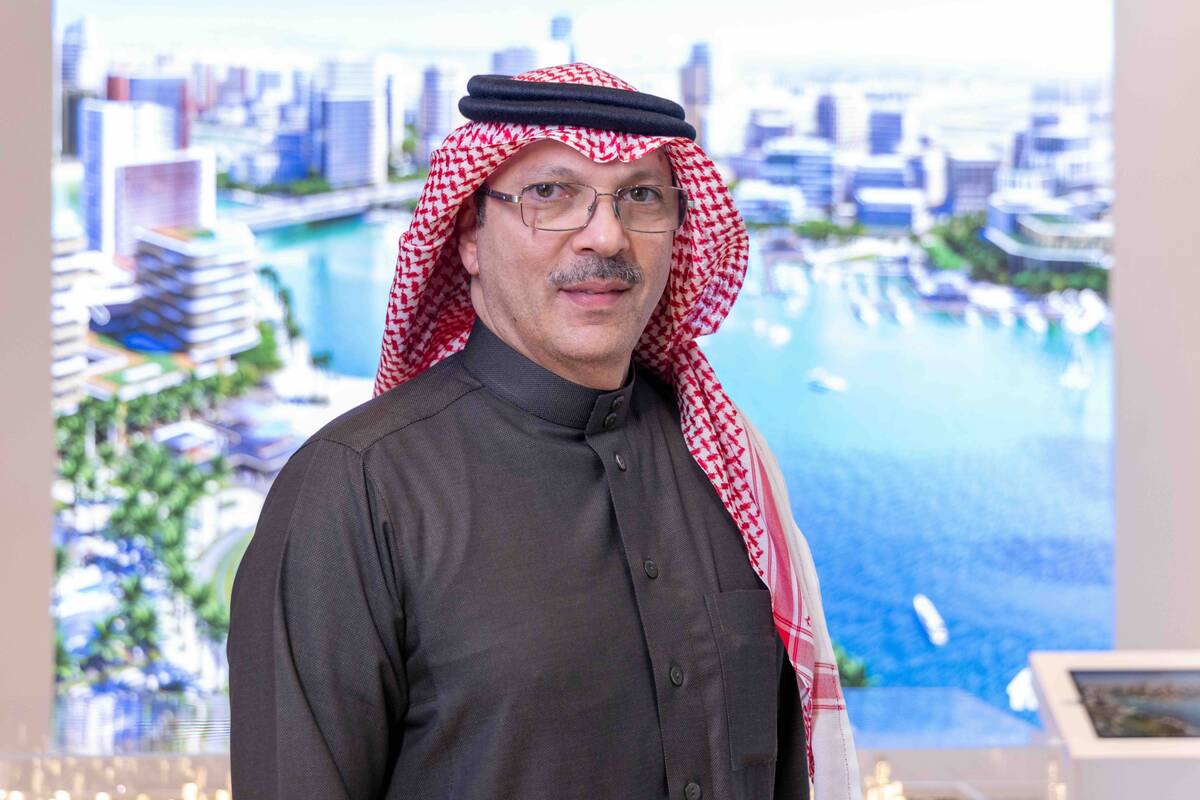


Zuhair Bakheet, CEO of Al Thuraya Al Omranya Properties and master developer of Alma Destination. Supplied

Zuhair Bakheet, CEO of Al Thuraya Al Omranya Properties and master developer of Alma Destination, said the project’s location in Jeddah, situated between the holy cities of Makkah and Madinah, enhances its appeal to international buyers.

“If we attract people who would love to have a unit within the Makkah and Madinah region, it’s a good option. If we think of Muslim countries like … Malaysia, Indonesia, Egypt, they would love to have a unit within close proximity of the holy cities,” he said.

Another developer factoring the regulatory change into its strategy is Emaar Economic City, the main developer of King Abdullah Economic City.
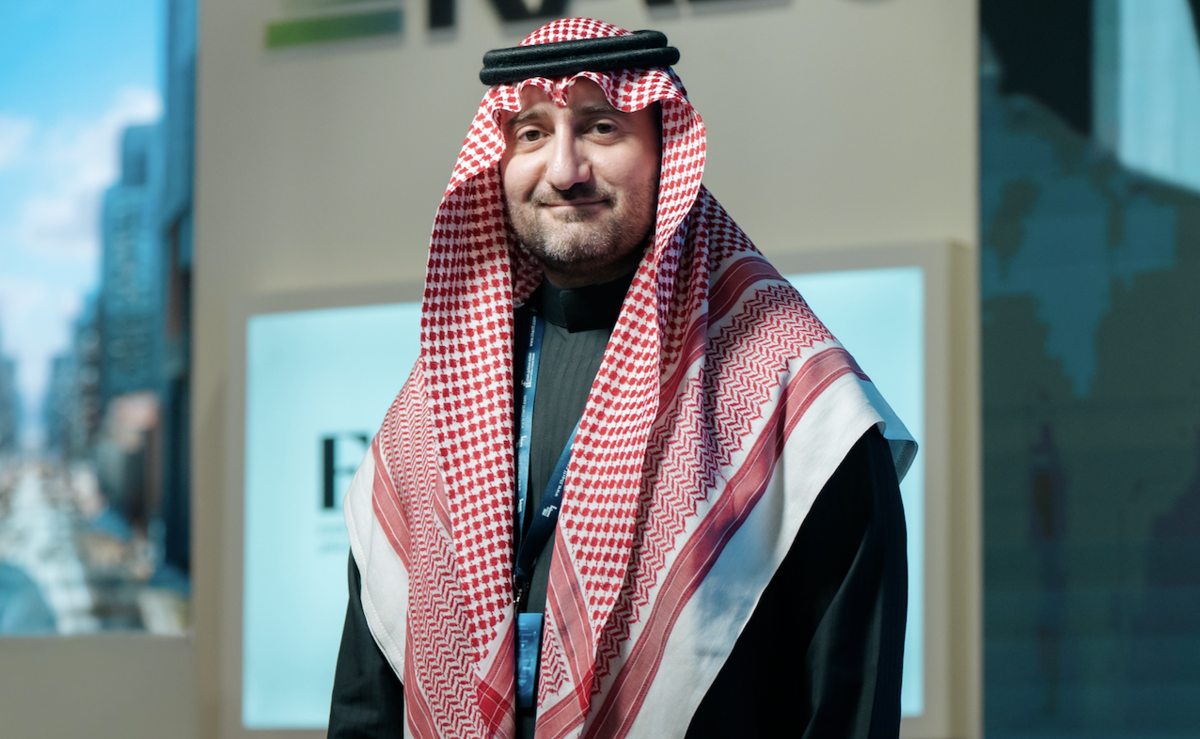


Emaar Economic City Chief Investment Officer Ali Al-Khatib. Supplied

Emaar Economic City Chief Investment Officer Ali Al-Khatib told Arab News that the new framework represents a major shift for the sector. “We believe these new regulations for non-Saudi ownership are a significant turning point in the real estate sector in the Kingdom, and specifically for King Abdullah Economic City.

“We’ve already seen interest before the system was launched from last year … we’ve had interests from all around the world from Southeast Asia, from Africa, from Europe, from the West.”
Acwa signs key terms to develop 5GW of renewable energy capacity in Turkiye

Updated 23 February 2026
Follow

Acwa signs key terms to develop 5GW of renewable energy capacity in Turkiye

JEDDAH: Saudi utility giant Acwa has signed key investment agreements with Turkiye’s Ministry of Energy and Natural Resources to develop up to 5 gigawatts of renewable energy capacity, starting with 2GW of solar power across two plants in Sivas and Taseli.

Under the investment agreement, Acwa will develop, finance, and construct, as well as commission and operate both facilities, according to a press release.

The program builds on the company’s first investment in Turkiye, the 927-megawatt Kirikkale Independent Power Plant, valued at $930 million, which offsets approximately 1.8 million tonnes of carbon dioxide annually, the statement added.

A separate power purchase agreement has been concluded with Elektrik Uretim Anonim Sirketi for the sale of electricity generated by each facility.

Turkiye aims to boost solar and wind capacity to 120GW by 2035, supported by around $80 billion in investment, while recent projects have already helped prevent 12.5 million tonnes of CO2 emissions and reduced reliance on imported natural gas.

Turkiye’s energy sector has undergone a rapid transformation in recent years, with renewable power emerging as a central pillar of its strategy.

Raad Al-Saady, vice chairman and managing director of ACWA, said: “The signing of the IA (implementation agreement) and PPA key terms marks a pivotal moment in Acwa’s partnership with Turkiye, reflecting the country’s strong potential as a clean energy leader and manufacturing powerhouse.”

He added: “Building on our long-standing presence, including the 927MW Kirikkale Power Plant commissioned in 2017, this step elevates our partnership to a new level,” Al-Saady said.

In its statement, Acwa said the 5GW renewable energy program will deliver electricity at fixed prices, enhancing predictability for grid planning and supporting long-term industrial investment.

By replacing imported fossil fuels with domestically generated clean energy, the initiative is expected to reduce Turkiye’s exposure to global energy market volatility, strengthening energy security and lowering long-term power costs.

The company added that the economic impact will extend beyond the anticipated investment of up to $5 billion in foreign direct investment, with thousands of jobs expected during the construction phase and hundreds of high-skilled roles created during operations.

The energy firm concluded that its existing progress in Turkiye reflects a strong appreciation for Turkish engineering, construction, and manufacturing capacity, adding that localization has been a strategic priority, and it has already achieved 100 percent local employment at its developments in the country.