

Saudi program opens doors to historical research for local, international scholars

1 / 2
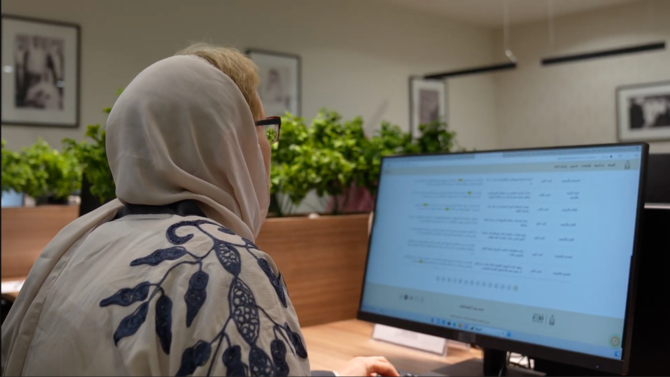
Turki Alshuwaier, CEO of Darah, said the program is a strategic initiative aimed at supporting researchers from within and outside the Kingdom. (supplied)
2 / 2
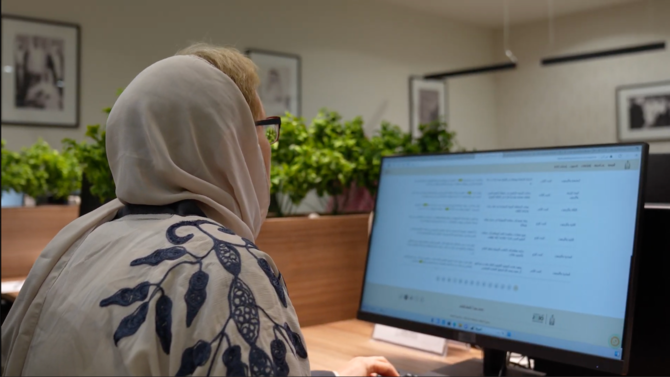
The program seeks to foster constructive scientific cooperation and open new horizons for documenting national history. (Supplied)
Short Url
Updated 28 January 2026
Follow

Saudi program opens doors to historical research for local, international scholars

  • Starting in May, Darah’s Visiting Researcher Program offers access to rare manuscripts, archival photos, and oral histories

Riyadh: The first session of the Visiting Researcher Program for local and international researchers, organized by the King Abdulaziz Foundation for Research and Archives, known as Darah, will begin in May.

According to Turki Al-Shuwaier, CEO of Darah, the program is a strategic initiative aimed at supporting researchers from within and outside the Kingdom, enabling them to conduct qualitative studies that leverage Darah’s research resources and specialized expertise.

He told Arab News: “The program contributes to strengthening cooperation with academic institutions, research centers, and archival libraries locally and internationally, as well as promoting specialized knowledge production and providing a stimulating environment for the development of research and knowledge paths.”

The program seeks to foster constructive scientific cooperation and open new horizons for documenting national history, giving researchers access to rare documents, historical manuscripts, archival photographs, and oral recordings.

Al-Shuwaier said the program aims to support methodological diversity in handling historical sources and encourage the use of modern academic approaches that contribute to developing knowledge about the history of the Kingdom, the Arabian Peninsula, and the Arab and Islamic worlds.

He added: “Darah seeks to enable researchers to make the most of their research residency at the foundation, and we are keen to provide the necessary academic support and scientific supervision by our specialists, ensuring a successful research experience for all.”

The program targets a diverse range of qualified researchers, including faculty members, graduate students, and specialists in relevant fields. It lasts between one and three months and is extendable “according to a scientific evaluation mechanism.”

Al-Shuwaier noted that Darah is leveraging its capabilities to support serious scientific research, concluding: “Through this program, we seek to contribute to enriching historical knowledge and promoting awareness of the importance of heritage and history in shaping the future.”


Kingdom goes green to celebrate Founding Day

Updated 7 sec ago
Follow

Kingdom goes green to celebrate Founding Day

  • Parks, streets, public spaces shine with national pride, while cultural programs, family activities bring communities together

RIYADH: Residents of Riyadh took part in an initiative to install First Saudi State flags to mark Founding Day on Feb. 22, organized by the Riyadh municipality.

The initiative, reflecting national pride and drawing community participation, enhanced the festive presence across neighborhoods, parks, streets, and public spaces.

The municipality also organized events across the city and governorates, illuminating main roads and public squares with more than 5,000 decorative lights, the Saudi Press Agency reported.

The Jeddah municipality launched a multi-day program to mark Founding Day, decorating main roads, squares, and the corniche.

A key event took place at Prince Majid Park on Sunday, featuring falconry, equestrian shows, and traditional handicrafts. Family activities included henna painting and creative workshops for children.

The King Abdulaziz Center for World Culture in Dhahran marked Founding Day with a multi-night Ramadan program from Feb. 20–22, offering 30 heritage-focused activities in a festive, family-friendly setting.

Visitors enjoyed cultural events, films, exhibitions, and hands-on workshops. Riyadh resident Tiger Lee, visiting Dhahran for the first time, said he came to experience the celebrations and learn more about the Kingdom’s history.

Entry was free, with food outlets, a traditional souq, henna and Sadu weaving sessions, museum and library storytelling, and plaza exhibitions adding to the experience.

Meanwhile, traditional markets in the Baha region turned into lively cultural hubs, showcasing local heritage and national pride, the SPA stated.

Shops were decorated with flags and traditional handicrafts such as palm frond products and pottery, while visitors and locals wore traditional attire. The markets supported local artisans, boosted economic activity, and enhanced the region’s touristic appeal.

Government buildings and private facilities were also illuminated in green, marking 299 years of Saudi history since 1727.

The King Fahd Complex for the Printing of the Holy Qur’an in Madinah was illuminated in green to mark the national occasion, reflecting pride, unity, and the Kingdom’s stability and progress.

The Tabuk municipality organized 23 cultural and heritage events across the region’s cities and governorates, in partnership with government and private entities, to highlight the day’s historical significance and strengthen national identity. Parks and public facilities were prepared to host residents and visitors.

Meanwhile, the Jazan municipality decorated the region with more than 1,500 banners and themed displays, transforming streets, parks, and public squares.

In coordination with government departments, the celebrations featured national performances, folk arts, and heritage showcases unique to Jazan.