- UN marks Oct. 1 as International Coffee Day
- This year marks the first observance of International Coffee Day
RIYADH: Coffee is not merely a beverage but a deeply rooted part of Saudi culture, with a story that extends from the land and farms to gatherings, hospitality and national identity.
As the UN marks Oct. 1, 2026 as International Coffee Day for the first time, Saudi Arabia joins in celebrating the rich heritage.
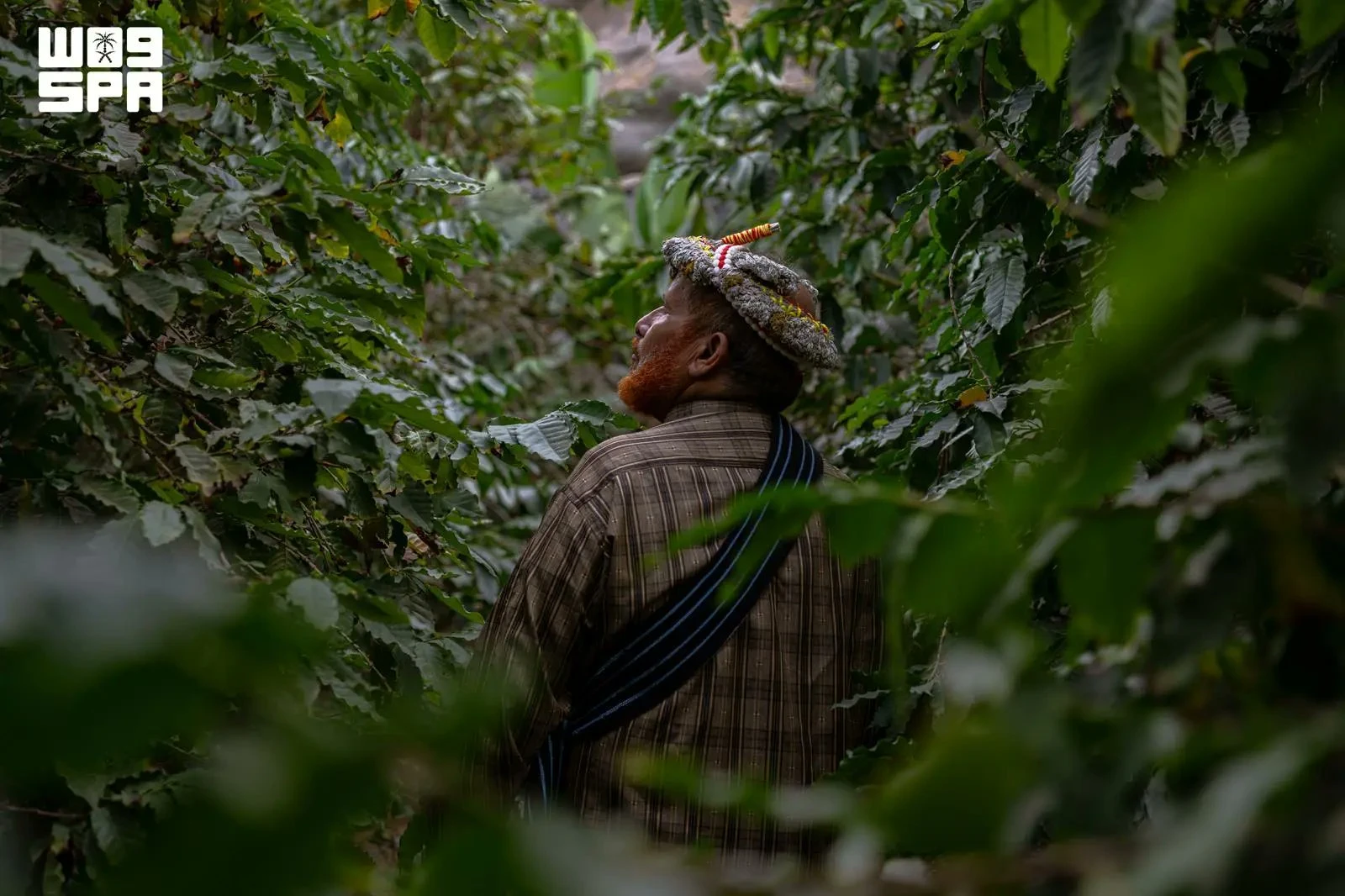
In the Kingdom, however, the day carries a different meaning. In the southwestern highlands, where agricultural terraces stretch across the slopes of Jazan, Najran, Aseer and Al-Baha, coffee trees have never been merely an agricultural crop. It rather has formed part of an enduring relationship between people and the land, and of a heritage passed down through generations, making Saudi coffee, or “qahwa” an authentic component of the Kingdom’s cultural and agricultural identity.
On this International Coffee Day, to be celebrated globally each year on Oct. 1, the Kingdom highlights the cultural heritage that renews the authenticity of Saudi coffee.
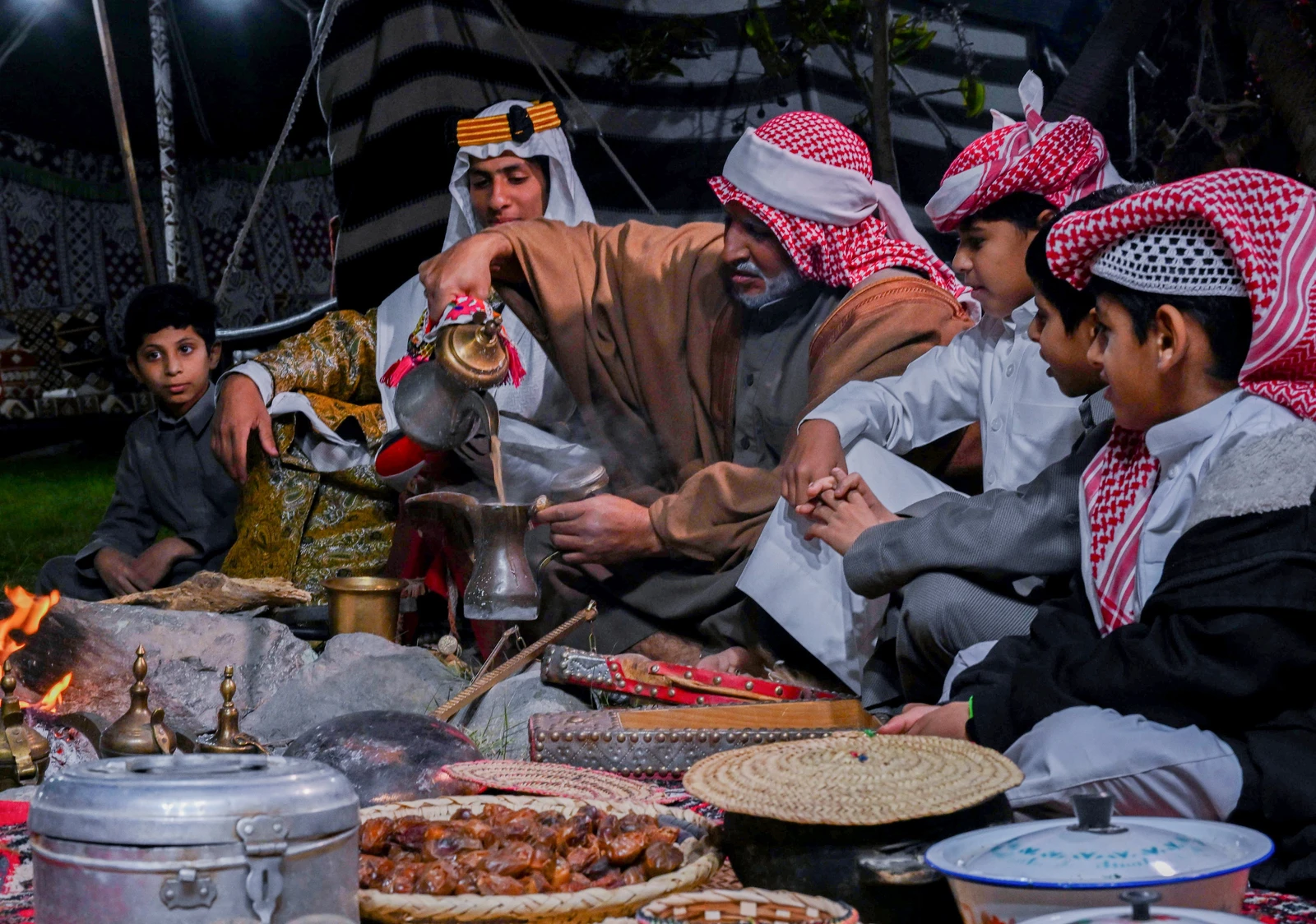
This celebration embodies the customs, traditions and values of generosity and hospitality inherent in Saudi society’s relationship with the beverage — spanning its cultivation, preparation and serving.
The Kingdom’s commitment to qahwa and its cultural significance was further underscored when the Ministry of Culture designated 2022 as the “Year of Saudi Coffee,” aiming to celebrate it as an integral element of Saudi culture and identity while boosting its presence both locally and internationally.
Dr. Osama Ghanem Alobaidy, an academic in Riyadh, told Arab News: “This day commemorates the importance of coffee in people’s lives in Saudi Arabia and around the world. Saudi Arabia produces thousands of tonnes of coffee, primarily located in the southwestern mountainous regions.”
“Also the Saudi Coffee Company, established by the Public Investment Fund, is investing SR1.2 billion ($319.47 million) over a decade to increase Saudi output of coffee and promote local Saudi beans globally,” he added.
The Kingdom ranks among the world’s leading consumers of coffee. Saudi coffee serves as a cultural symbol of the values defining the Saudi people — namely generosity and warm hospitality.
Efforts are continuously made to raise awareness and support farmers and enthusiasts, focusing on quality and the passion surrounding the beverage.
The Kingdom’s coffee culture is distinguished by diverse cultivation, preparation and serving methods— resulting in varied colors and flavors across different regions — and a multitude of presentation styles, all of which lend Saudi coffee its distinctive character and profound cultural depth.
Each region of the Kingdom boasts its own method of coffee preparation; in the Najd region, cardamom and saffron are added; in the south people incorporate cloves, ginger and cinnamon alongside those two ingredients; and the people of Hail blend coffee beans with cardamom, saffron and cloves, while people in the western region prefer a simpler blend of just coffee and cardamom.
Saudi coffee stands out as a cultural symbol deeply rooted in local identity, carrying social significance that transcends its role as a mere beverage; it serves as a medium for communication, hospitality and conversation, often being the first offering extended to a guest as a gesture of warmth and welcome.
“Coffee is far more than a daily beverage; in many communities, it has become an integral part of cultural and social identity, deeply linked to gatherings, hospitality and special occasions, with preparation and serving styles varying according to the local environment and culture,” Thamr Alotaibi, a Taif resident, told Arab News.
International Coffee Day aims to raise awareness about the cultural, social and historical significance of coffee, as well as its economic and environmental impacts, food security and nutrition.