- Tehran finalizing response to US position on new diplomatic proposal presented in New York
- Islamabad deal collapsed within weeks amid renewed fighting, disputes over shipping rights
ISLAMABAD: Iran has accused the United States of failing to honor a Pakistan-brokered peace agreement signed in June to end hostilities between the two countries, saying Washington must fulfill its obligations before Tehran can show further flexibility in renewed diplomatic efforts.
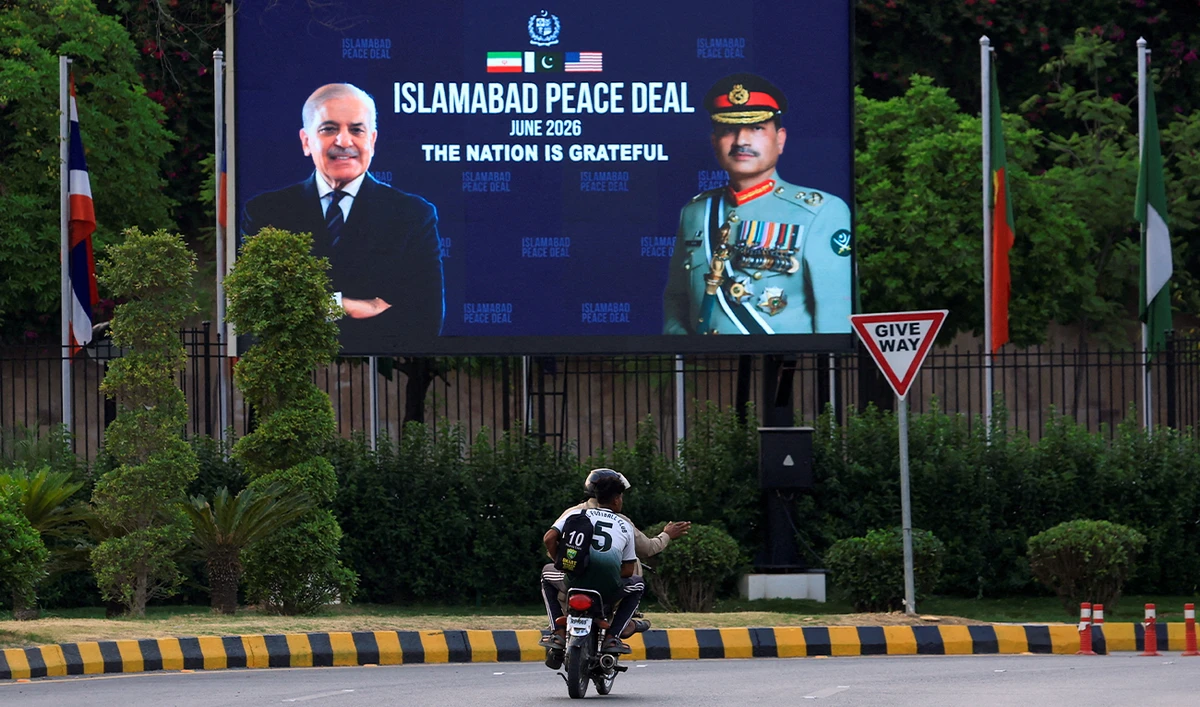
The accusation comes nearly four months after the two countries signed the Islamabad Memorandum of Understanding (MoU) on June 17, following mediation by Pakistan, and committed to end military operations, ease restrictions on shipping through the Strait of Hormuz and negotiate a comprehensive settlement within 60 days.
The agreement collapsed within weeks amid renewed fighting and disputes over shipping rights and a US naval blockade of Iranian ports. Iran announced in July that it had suspended its commitments, accusing Washington of violating the deal, which formally expired in August without a lasting settlement.
“Washington has failed to honor its obligations under the Islamabad MoU and must take remedial steps in this regard,” Iran’s Deputy Foreign Minister for Legal and International Affairs Kazem Gharibabadi said in remarks reported by the official IRNA news agency on Tuesday.
“As long as the US side continues to completely disregard its obligations, it should not expect Iran to show further flexibility on this matter.”
The June agreement, a 14-point memorandum, was electronically signed by the American and Iranian presidents and endorsed by Prime Minister Shehbaz Sharif as mediator. It envisaged an immediate end to hostilities and, among other things, established a framework for negotiations over Iran’s nuclear program, sanctions relief, frozen Iranian assets and economic reconstruction.
Pakistan and Qatar subsequently facilitated talks between American and Iranian representatives in Switzerland on June 21 and 22, where the parties agreed to establish a high-level committee and working groups covering a range of issues.
However, disagreements over maritime access and the sequencing of commitments soon undermined the arrangement.
Washington accused Tehran of interfering with commercial shipping through the Strait of Hormuz, while Iran objected to continued US military and economic pressure. Renewed attacks and the reimposition of the American naval blockade brought the diplomatic process to a standstill.
Diplomatic efforts resumed in September, when Iran presented a new proposal through intermediaries during meetings on the sidelines of the United Nations General Assembly in New York.
The initiative envisaged steps toward reopening the Strait of Hormuz and restarting negotiations, while Washington has pressed for Iran’s nuclear activities to be addressed as part of a broader settlement.
Gharibabadi said Tehran was finalizing its response to American views and considerations concerning the proposal and would communicate its position through intermediaries after completing consultations.
“Tehran remains ready for diplomacy, provided that the points being raised are genuine,” he said.
“Iran has always welcomed diplomacy and has never shied away from dialogue with any party,” he added.
The Iranian official maintained that Tehran had not violated its commitments under the Islamabad agreement and said Washington needed to return to fulfilling its obligations.
“Continued participation in talks demonstrates Tehran’s political flexibility and commitment to the diplomatic process,” he said, adding that “the US, too, must return to fulfilling its obligations.”
Gharibabadi said Iran remained prepared for a diplomatic settlement but would not rule out defending itself if hostilities resumed.
“Iran’s readiness to defend itself and fight is no less than its readiness to negotiate,” he said.