- Ministers sign five-year economic cooperation program in Moscow, with energy, agriculture, pharmaceuticals among priorities
- Russia says working group had drafted space cooperation documents, Moscow ready to share Earth observation technology
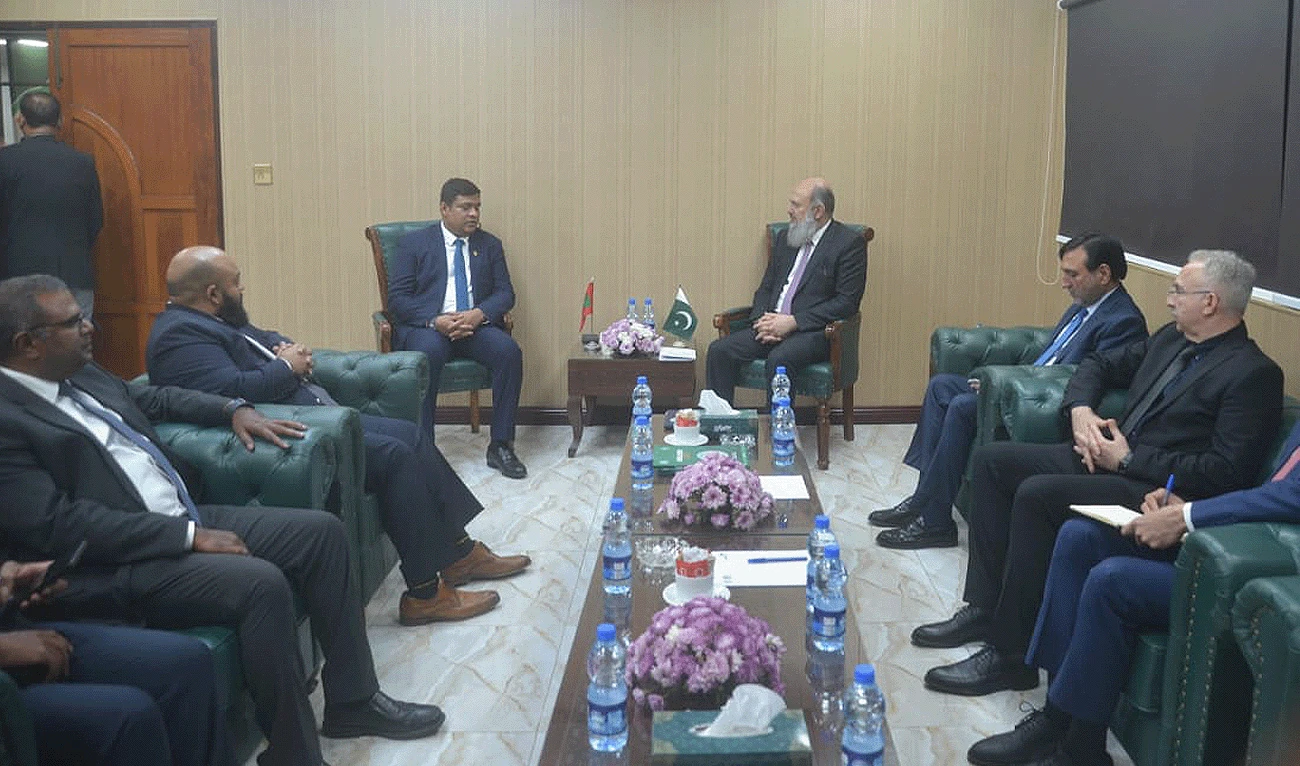
ISLAMABAD: Pakistan and Russia set a target of raising bilateral trade to $5 billion by 2030 at talks in Moscow this week where the two governments signed an economic cooperation program and drafted proposals for working together in space, state media said.
The target would take trade to nearly three times its 2024 level. A joint study by the Russian International Affairs Council and Pakistan’s Strategic Vision Institute put bilateral trade at $1.8 billion that year, citing Pakistani figures and attributing much of the growth to Pakistan’s imports of Russian oil and liquefied gas.
The program runs through 2030 and identifies agriculture, pharmaceuticals, industry and transport among the areas for closer cooperation.
Pakistan’s Power Minister Awais Leghari and Russian Energy Minister Sergei Tsivilev co-chaired Wednesday’s talks, the 11th round of a commission that brings the two governments together on trade, economic and scientific issues.
“Energy remains the cornerstone of our relationship, the power sector, energy and energy efficiency can support Pakistan’s energy systems,” Leghari said, according to Russian state news agency Sputnik.
He also said Pakistan’s participation in the International North–South Transport Corridor, a freight network linking Russia to markets farther south, could help expand trade.
Tsivilev said work was underway on a possible free trade agreement between Pakistan and the Russian-led Eurasian Economic Union. He also said Russia planned to produce insulin in Pakistan and was ready to help modernize infrastructure. He cited a rise of 11 percent in bilateral trade, though Sputnik’s account did not specify the months covered or give a dollar figure.
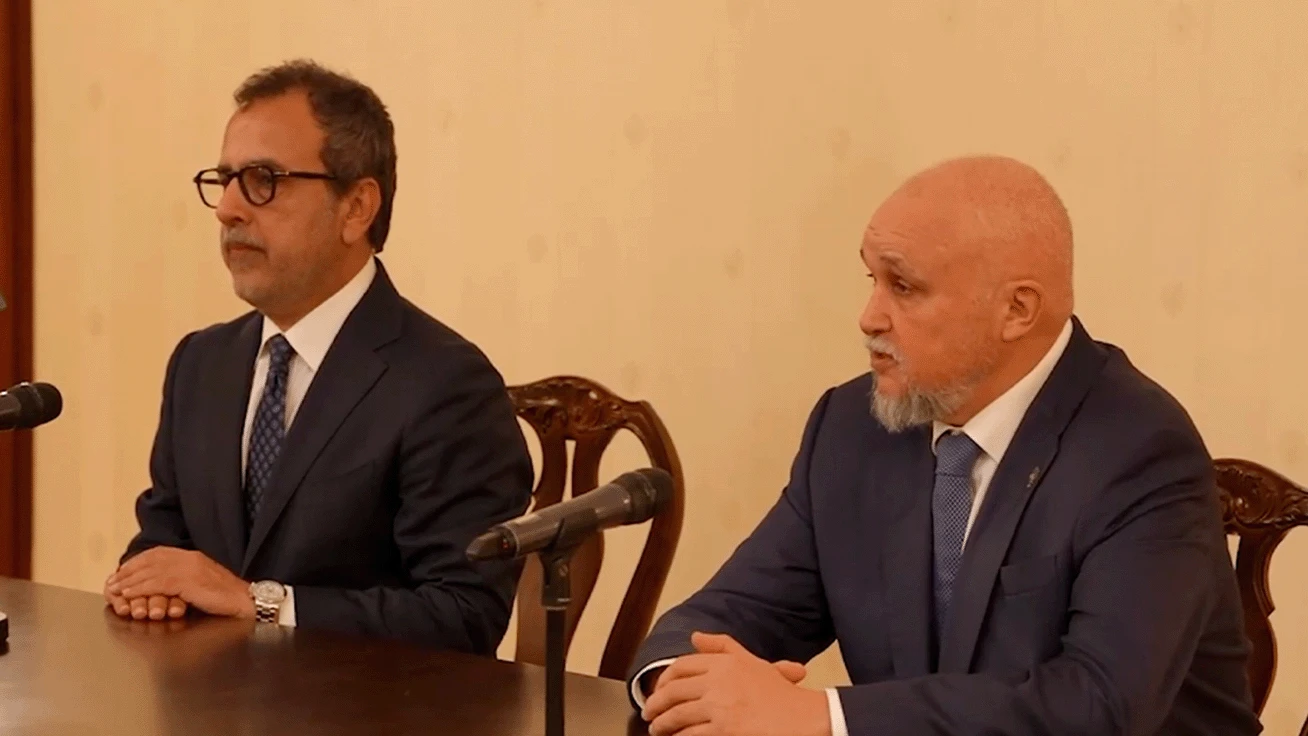
At a joint press conference, Tsivilev said a working group had drafted documents on space cooperation and Russia was ready to share technology for observing Earth from orbit.
“Russia has considerable expertise in satellite navigation, communications, spacecraft piloting and Earth observation,” the minister said.
“We are ready to join hands with our Pakistani friends. There is mutual interest on both sides, and our working group of the International Commission has prepared a number of documents on cooperation in the development of space exploration, which we will be ready to sign at a meeting of our heads of state.”
The remarks came the same day Muhammad Zeeshan Ali became the first Pakistani to orbit Earth and the first foreign astronaut to enter China’s Tiangong space station. His flight followed a February 2025 agreement under which China trained Pakistani astronauts. english.scio.gov.cn
Pakistan is due to host the next round of the economic commission with Moscow in 2027.