- Saudi supermarket chain seeks up to 60 tons of meat weekly, plans direct rice imports
- Kuwaiti importer buys two containers of rice, plans own brands using Pakistani products
KARACHI: A Saudi supermarket chain is looking to source meat, rice and other food products directly from Pakistan for its nearly 100 stores across the Kingdom, a senior company official told Arab News on Wednesday, as Gulf importers converged on a major international food exhibition in Karachi this week in search of new suppliers.
Organized by the Trade Development Authority of Pakistan (TDAP), the four-day FoodAg 2026 exhibition, which concludes today, Thursday, has brought together 400 Pakistani exhibitors and 820 international delegates from 72 countries, including all six Gulf Cooperation Council (GCC) states, to facilitate commercial partnerships and expand Pakistan’s agricultural and food exports.
“I’m interested in the meat product and honey and the Himalayan salt,” Ayman Al Mesh, head of food category at Saudi marketing firm Farm told Arab News at the exhibition. “And the rice is very important.”
Al Mesh said he expected to finalize a deal during the exhibition, with his company particularly interested in sourcing veal, camel meat and lamb.
The interest from Saudi buyers comes as Islamabad and Riyadh seek to deepen their economic relationship beyond their longstanding security and defense ties. The two countries agreed in August, to work toward raising Pakistan’s agricultural and food exports to the Kingdom to $3 billion within two years.
Rice and red meat were among the priority products identified by the two sides, with Saudi Arabia expressing interest in gradually doubling its imports of Pakistani red meat.
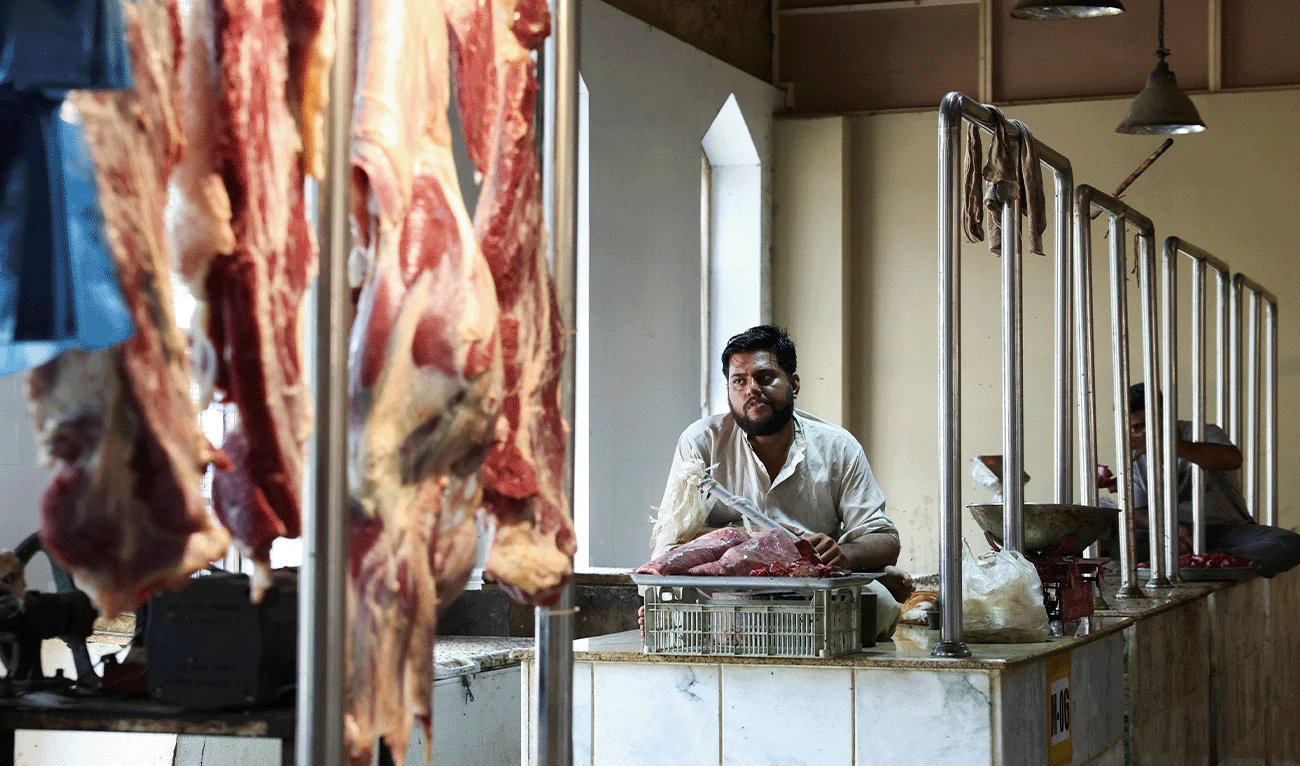
Al Mesh said Farm was looking to purchase between 50 and 60 tons of meat weekly, while the company’s rice requirements stood at a minimum of six containers, each carrying 24 tons, every 45 to 60 days.
The company, he said, was preparing to import Pakistani rice directly for the “first time,” potentially establishing a regular supply channel between Pakistani producers and the Saudi supermarket chain.
In his search for reliable meat suppliers, Al Mesh has visited several slaughterhouses in Karachi and plans to travel to Lahore to inspect another five or six facilities operated by what he described as some of Pakistan’s largest meat suppliers.
He said he was assessing local prices to determine whether sourcing directly from Pakistan would be commercially competitive.
“That’s why I have come here to get it, to get from the source directly,” he said.
Munir Hassan, trade development officer at Pakistan’s embassy in Riyadh, said more than 20 delegates from Saudi Arabia were attending the exhibition, representing businesses dealing in meat, rice, fast-moving consumer goods and confectionery.
Hassan, who was helping Al Mesh establish contacts at the exhibition, said bringing Saudi importers and Pakistani exporters together was central to expanding commercial ties between the two countries.
“Once they have the networking between them, we are sure that they will increase the bilateral trade numbers,” he said.
Saudi Arabia is not the only Gulf market from which Pakistani exporters are attracting interest.
Abdulla Dashti, a Kuwaiti importer who runs a restaurant called Jidr Zad, said he had already purchased two containers of different varieties of Pakistani rice and was looking to finalize a deal for spices before the exhibition ended.
“I want to make a new business for the rice,” Dashti told Arab News, citing the range of rice varieties and brands available from Pakistani producers.
He also expressed interest in sourcing spices, salt and mayonnaise from Pakistan.
“I have a restaurant in Kuwait,” he said. “I put cooked rice and uncooked rice for sale,” he added, explaining that he intended to establish a regular supply arrangement rather than make a one-off purchase.
Dashti said Pakistani rice appealed to him because of its taste and the length of its grains.
Beyond supplying his restaurant, the Kuwaiti importer plans to develop his own brands of rice, spices, chocolate and mayonnaise using products sourced from Pakistan.
Organizers are hoping the exhibition will translate international buyer interest into lasting commercial agreements.
Ibrar Hussain, TDAP’s focal person for memorandums of understanding (MoUs), said seven to eight agreements had been signed by the second day of the exhibition, with dozens more expected.
“On the first day, most of the things do not mature,” he said. “On the second day, in the first half, we have signed six to seven MoUs.”
He said another four to five agreements were planned for the second half of the day.
“We expect that we will have signed 70 to 80 MoUs by the end of the event,” he said.