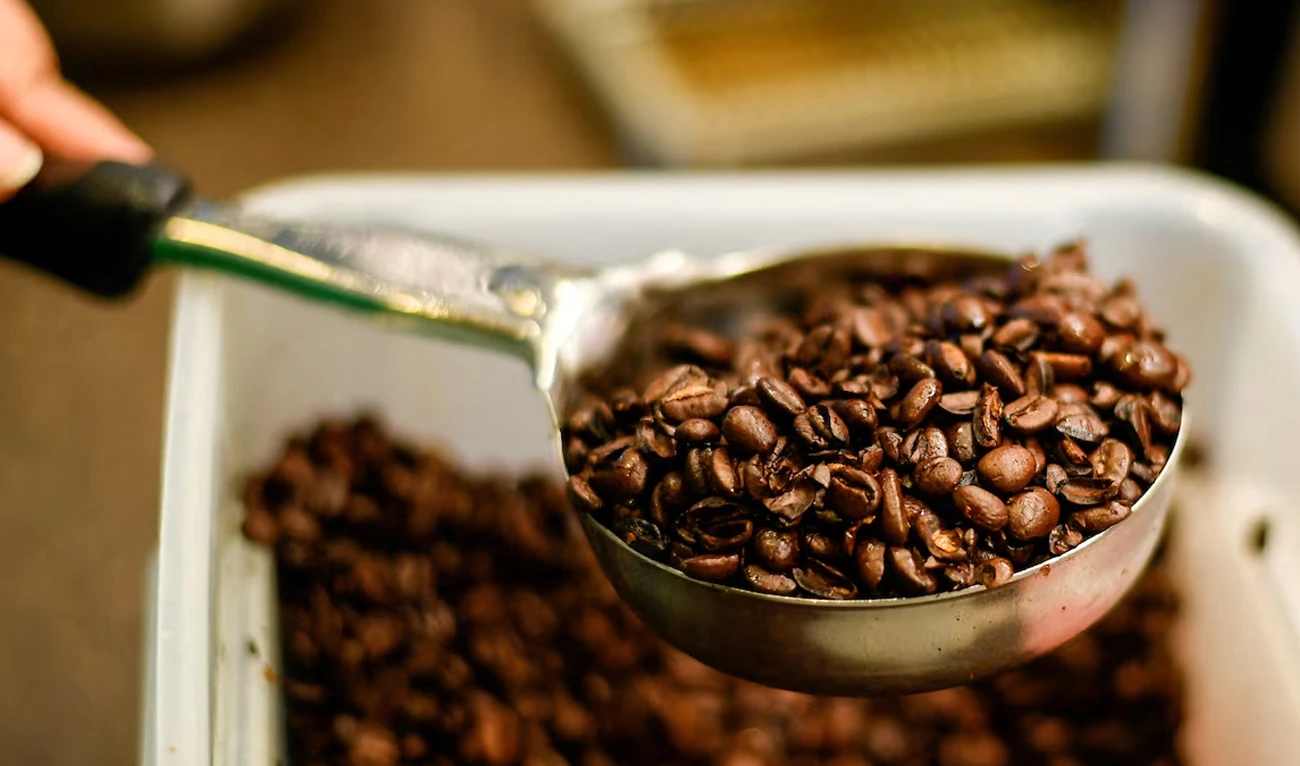
- Robusta futures fall as Vietnam begins harvesting ample crop
- Raw sugar slips amid weak demand and a drop in oil prices
NEW YORK: Arabica coffee futures on ICE rose on Monday, heading away from recent seven-week lows as exchange stocks fell to their lowest levels in 27 years, reigniting supply worries.
Raw sugar, meanwhile, drifted lower.
COFFEE
* Arabica coffee was up 0.4 percent to $2.7470 per lb at 1712 GMT, climbing from last Thursday’s seven-week trough of $2.62.
* Exchange data showed stocks have fallen 15 percent in the last two sessions alone and were last at 211,321 bags, their lowest in 27 years .
* Dealers said the decline “keeps prices buoyant for the moment,” though stocks are still expected to recover as crop prospects for top grower Brazil remain positive.
* There were 166,456 bags waiting at ICE warehouses for quality checks to enter the certified stocks.
* Robusta coffee fell 1.5 percent to $3,146 a metric ton, heading back near a recent 2-1/2-year low of $3,140 as an ample harvest in Vietnam gets underway.
SUGAR
* Raw sugar slipped 1.3 percent to 18.17 cents per lb, having posted a small gain of 1 percent last week.
* Sugar remains underpinned by a drop in production in Brazil’s key center-south region this season, although weak demand continues to keep a lid on prices. Recent weakness in energy prices could also push mills to cut ethanol production and increase sugar output.
* Oil prices were down more than 2 percent on Monday.
* White sugar fell 1.3 percent to $513.80 a metric ton.
* The highest price offered in the international tender from Pakistan to sell and export 108,000 tons of sugar was believed to be $400 a ton for delivery ex-warehouse, European traders said.
COCOA
* London cocoa fell 0.6 percent to £4,013 a ton, having settled up 1.3 percent on Friday.
* Cocoa arrivals at ports in top grower Ivory Coast were at 49,000 metric tons in the week ending November 15, exporters estimated, down 53.3 percent from the same week last year.
* New York cocoa fell 0.9 percent to $5,210 a ton.
* Cocoa is benefiting from concerns that the El Nino weather pattern will curb global production, though weak demand for chocolate has been weighing on prices.