The storage, protection, and management of data have become among the most critical challenges facing governments worldwide.
As digital technologies permeate nearly every aspect of modern life — from banking and healthcare to education and public services — the reliability and security of data infrastructure are no longer optional. They are strategic imperatives.
Individuals and businesses today rely on an ecosystem of online services, including applications, websites, cloud platforms, email, streaming, and financial systems. Behind each of these services lies a data center—tasked with securely storing vast volumes of information and processing it efficiently, continuously, and without interruption. As a result, data centers have emerged as the backbone of the digital economy, enabling real-time information flows and ensuring the resilience of national digital infrastructure.
Beyond storage and processing, data centers play a crucial role in guaranteeing service availability. They operate around the clock, supported by redundant power supplies, backup systems, and failover mechanisms designed to minimize downtime during disruptions. For governments, this reliability is essential to maintaining public trust and ensuring uninterrupted access to critical digital services.
Saudi Arabia has recognized this reality and acted decisively. The Kingdom’s push to develop advanced data center infrastructure is not merely about keeping pace with global demand; it is about supporting its rapidly expanding digital ecosystem, which now delivers more than 3,500 public services across 530 government platforms.
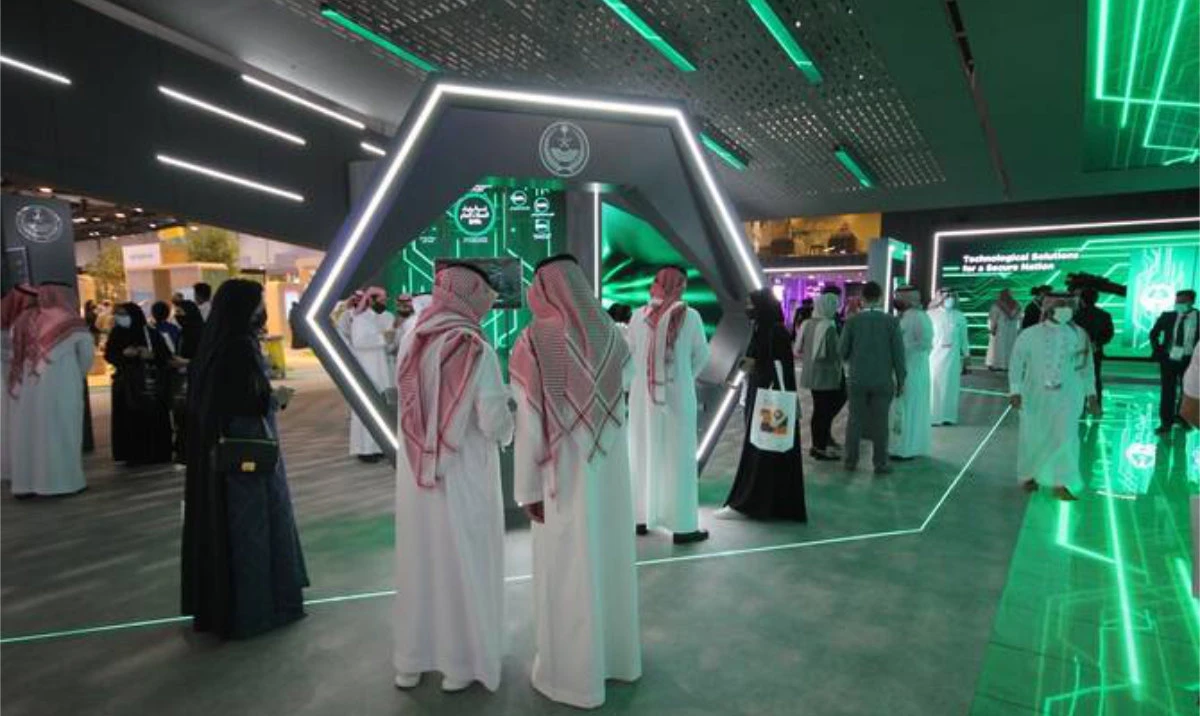
At the center of this effort is the Hexagon Data Center in Riyadh — the world’s largest government data center. The facility has earned Tier IV certification from the Uptime Institute, the highest international benchmark for data center reliability, guaranteeing fault tolerance and operational availability of 99.995 percent. This places the Hexagon Data Center among the most resilient facilities globally.
With a capacity of 480 megawatts and a footprint exceeding 30 million square feet, the center is designed to support the Kingdom’s long-term digital ambitions. It employs advanced energy-efficiency and smart-cooling technologies, including direct liquid and hybrid cooling systems, to achieve optimal power usage effectiveness. Renewable energy integration further strengthens its credentials as one of the world’s largest green data centers, built to LEED Gold standards.
The facility has also secured international accreditations under the TIA-942 engineering standard and ISO/IEC 22237, reinforcing its compliance with global benchmarks for infrastructure availability, risk mitigation, and environmental protection. Together, these certifications underscore Saudi Arabia’s commitment to building digital infrastructure that rivals — and in some cases exceeds — leading global facilities.
Importantly, the Hexagon Data Center is not a standalone project. It represents the foundation of a nationwide network of data centers envisioned under the Saudi Data and AI Authority’s strategic expansion plan. This initiative aims to meet surging demand for digital infrastructure services while ensuring maximum system availability through global best practices.
From a business and economic perspective, the implications are substantial. Establishing sovereign data centers is a strategic necessity for safeguarding national data, strengthening technological independence, and accelerating economic diversification beyond oil. SDAIA estimates that the Kingdom’s data center strategy will generate a cumulative local economic impact exceeding SR10 billion ($2.7 billion), alongside annual savings of more than SR1.8 billion. These gains are expected to enhance public-sector efficiency, stimulate non-oil growth, and improve quality of life through more advanced and responsive government services.
Saudi Arabia’s broader digital progress has already gained international recognition. The Kingdom recently ranked first globally in the World Bank’s GovTech Maturity Index 2025, topping an assessment of 197 countries — a milestone that reflects sustained investment in digital governance and institutional capability.
Taken together, these developments signal Saudi Arabia’s rapid ascent as a serious player in the global digital economy. Through large-scale investments in secure, sustainable, and high-performance data centers, the Kingdom is positioning itself as a reliable digital nation and a leading technology hub in the Middle East.
The Hexagon Data Center stands as a tangible outcome of this transformation — a symbol of Saudi Arabia’s six-year journey toward digital leadership and a compelling destination for global technology companies seeking scale, security, and long-term partnership in the region.
• Talat Zaki Hafiz is an economist and financial analyst.
X: @TalatHafiz