- Council members reiterate support for UN Interim Force in Lebanon, call for protection of its troops and full implementation of resolution governing security along Israel-Lebanon border
- With UNIFIL’s withdrawal due to begin on Dec. 31, Lebanese authorities continue to press for deployment of a UN-mandated successor force
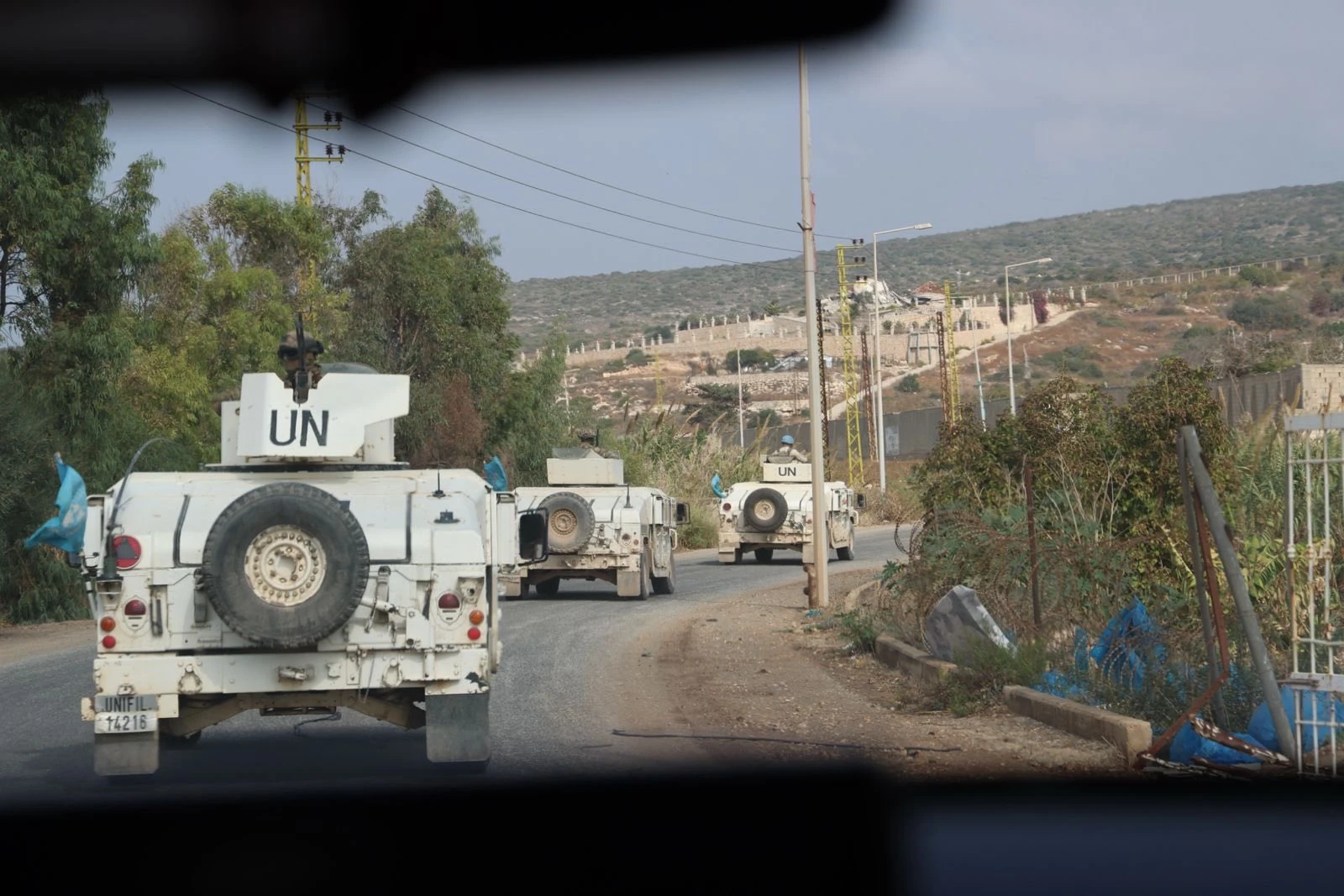
NEW YORK CITY: The UN Security Council on Friday reaffirmed its backing for the UN’s peacekeeping force in southern Lebanon, and urged all parties active in the region to protect its personnel.
But six weeks before the mandate for the UN Interim Force in Lebanon will expire, council members have still offered no public indication of how they plan to fill the security gap its departure will create.
After consultations that took place behind closed doors, Latvia’s Ambassador Sanita Pavluta-Deslandes, whose country holds the rotating presidency of the council this month, said in a statement that members had “exchanged views on the situation in Lebanon and on the implementation of Resolution 1701 (2006), as well as on the next steps in the light of Resolution 2790 (2025).”
Resolution 1701 ended the 2006 war between Israel and Hezbollah and governs security arrangements along the Israel-Lebanon border. Resolution 2790 set Dec. 31 this year as the end date for UNIFIL’s mission, which began in 1978.
The statement did not mention any successor peacekeeping arrangement. Council members called on all parties active in southern Lebanon to “take all measures to respect the safety and security of UN personnel and premises, as well as the freedom of movement of the mission,” and to avoid any action that might put members of the force in danger.
“They recalled that peacekeepers must never be the target of an attack,” Pavluta-Deslandes said. The statement called for full compliance with international humanitarian law, but did not direct the comment toward any party in particular.
Members also reiterated calls for full implementation of Resolution 1701 and their “strong commitment to the sovereignty, independence, territorial integrity and unity of Lebanon.”
The call came days after UNIFIL said “about a dozen rounds” were fired at one of its patrols near Wadi Jilu, in Lebanon’s Tyre district, without specifying who was responsible. Peacekeepers said they spotted a muzzle flash and returned fire, after which the shooting stopped. No one was hurt.
A UNIFIL spokesperson, Kandice Ardiel, recently said daily violations by Israeli forces continued to be observed across southern Lebanon.
The 15-member Security Council unanimously adopted the French-drafted Resolution 2790 in August 2025 after a compromise was reached with the US, which opposed any further renewal of the UNIFIL mandate and continues to do. The resolution extended the mandate one final time, until the end of this year, after which a withdrawal will begin and be completed within one year.
The text of the resolution also asked Secretary-General Antonio Guterres to explore, by June 1, 2026, options for the implementation of Resolution 1701 following the departure of UNIFIL, including assistance with security and the monitoring of the Blue Line established by the UN in June 2000 to separate Israel from Lebanon.
UNIFIL was established by the Security Council in March 1978 to confirm the withdrawal of Israeli forces from southern Lebanon, restore international peace and security, and assist the Lebanese government in restoring its authority. Resolution 1701 included authorization for UNIFIL to increase its strength, up to 15,000 troops.
Diplomatic efforts to shape what will come after UNIFIL’s departure have been stepped up in recent days. During meetings with Lebanese officials in Beirut on Monday, the US ambassador to the UN,
Mike Waltz, proposed the retention of Resolution 1701, with certain amendments, as the basis for a post-UNIFIL framework.
He said talks would take place over the coming month in coordination with France, which was drafting a new resolution. He also questioned the effectiveness and cost of UNIFIL, citing a figure of about $500 million a year.
Beirut wants any future international peacekeeping presence in Lebanon to remain under UN authority.
The Council is expected to return to the question of a replacement peacekeeping force soon. Closed consultations were set to take place next week in New York to consider the issue.