- Baladna is looking at Pakistani maize, soybeans and forage crops as it diversifies supplies for overseas operations
- Islamabad proposes joint ventures in dairy farming, meat processing, no purchase or investment agreement announced
KARACHI: Qatari dairy producer Baladna is exploring buying animal feed from Pakistan to supply its expanding overseas operations, Pakistan’s food security ministry said on Wednesday after talks that also covered possible investments in dairy farming and meat processing.
The talks put Pakistan on the radar of a Gulf dairy producer expanding into North Africa. In 2024, Baladna signed a framework agreement to develop a dairy farming and milk powder project in Algeria. The company valued the project at $3.5 billion when it announced the agreement.
For Pakistan, a supply deal would give its growers another overseas customer. Agriculture accounts for 23.4 percent of Pakistan’s economy, and livestock makes up more than 60 percent of agricultural output by value. Pakistan produced 8.79 million metric tons of maize in the 2025–26 fiscal year, down 2.7 percent from the previous year, according to the government’s economic survey.
Pakistan’s food security ministry said the delegation discussed sourcing maize, soybeans, alfalfa and Rhodes grass, a crop grown for livestock feed. The ministry announced no purchase agreement, volumes or timetable.
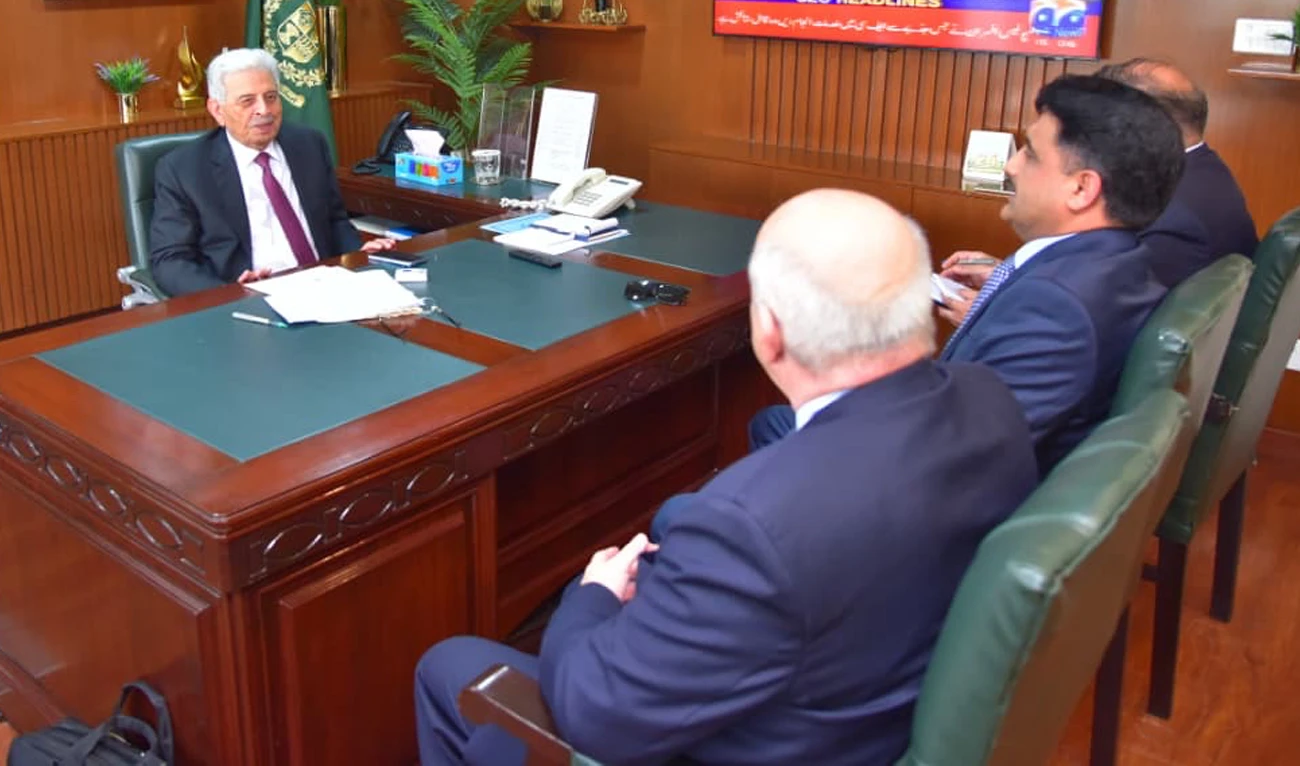
“The Baladna delegation identified Pakistan as a potential strategic supplier of animal feed for its expanding international operations,” the ministry said in a statement after Food Security Minister Rana Tanveer Hussain met company representatives in Islamabad.
Hussain cited Pakistan’s maize production and proximity to Gulf markets and proposed working with private companies to make Pakistan “a potential animal feed supply hub for the entire Middle East,” the ministry said.
The minister also proposed joint ventures in dairy and livestock farming, slaughterhouses and meat processing, as well as plants to make cheese and milk powder.
The ministry announced no investment commitment for those projects.