- Duterte faces allegations over 85 murders and two attempted murders from 2011 to 2018
- Trial is expected to run well into 2027 and let victims address court
THE HAGUE/MANILA: Former Philippine leader Rodrigo Duterte goes on trial at the International Criminal Court on Monday for alleged crimes against humanity during a six-year anti-drug campaign in which thousands of people were killed.
Duterte, 81, faces allegations relating to 85 murders and 2 attempted murders from 2011 to 2018, including when he served as the mayor of Davao City and the early years of his presidency. The court’s prosecutors say the victims are only a sample of as many as 30,000 people killed by death squads targeting users and sellers of illegal drugs.
It is one of the highest-profile cases to come before the court in its more than two decades of existence, and the biggest since US President Donald Trump’s administration imposed sanctions that could imperil the court’s ability to function.
If convicted of any of three counts of crimes against humanity, Duterte could face life in prison.
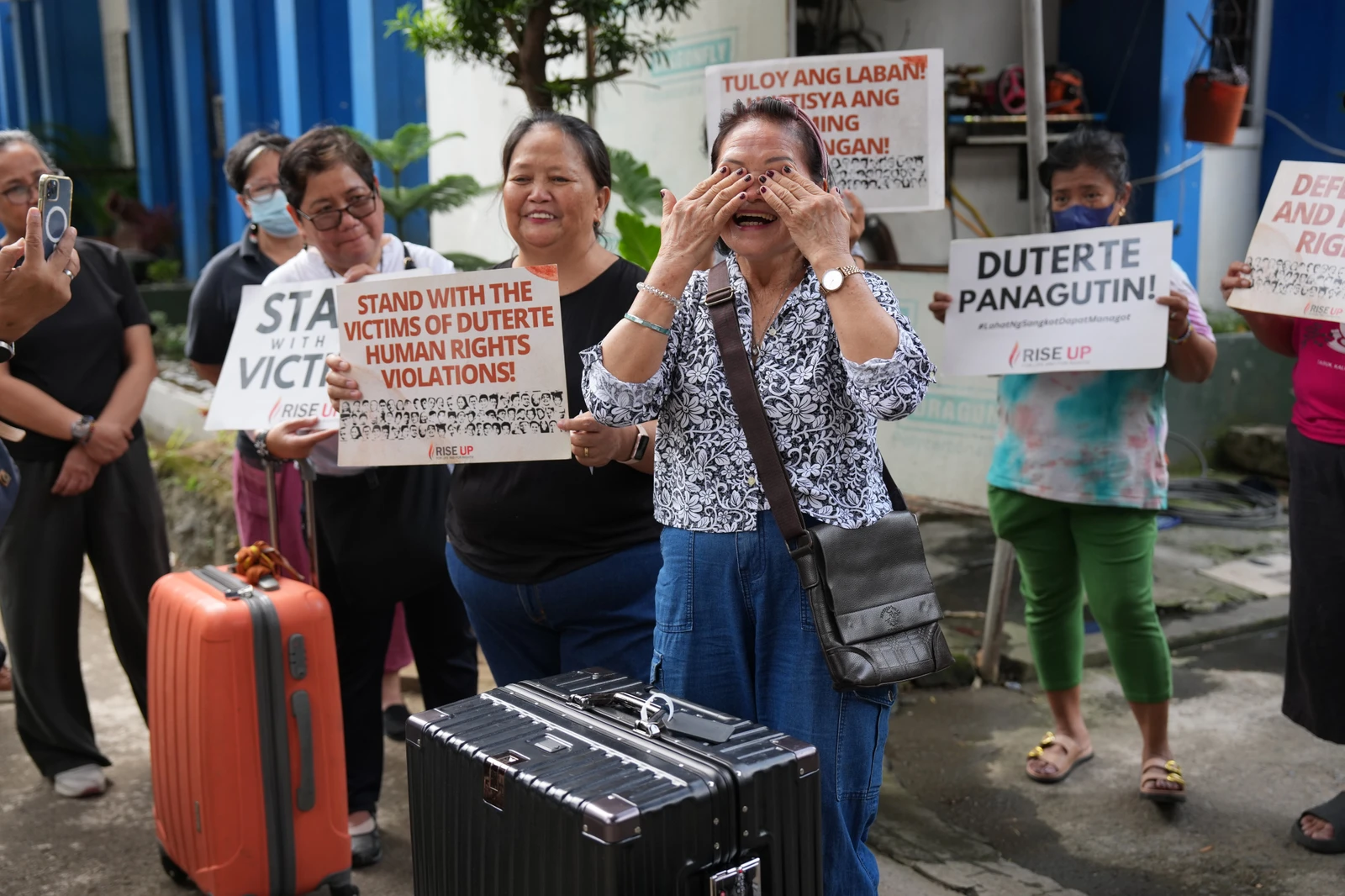
Llore Pasco, a mother who lost her two sons, is traveling to The Hague to attend the trial that will open on her 73rd birthday. She said she had never imagined she would see Duterte in the dock.
“This is the greatest and most beautiful gift you could give me,” she said hours before boarding a plane to the Netherlands.
“My only wish is not just justice for my children, but for all those killed during the time of Rodrigo Duterte. I hope the killings stop for the next generation.”
Duterte’s supporters have called for his release. His daughter Sara Duterte, now serving as Philippine vice president, said in a statement on Wednesday that “no foreign court or nation should ever stand above the sovereignty of our country.”
Test of embattled ICC
The proceedings will test the court’s ability to conduct a high-profile trial amid an ongoing campaign by the United States to force its closure. Washington has imposed crippling financial sanctions and called on member states to withdraw from the ICC and isolate it.
The ICC is the world’s sole permanent war crimes tribunal, set up to prosecute individuals accused of war crimes, crimes against humanity and genocide when national jurisdictions fail to do so.
Duterte is only the second former national leader to appear before it for crimes allegedly committed while in power, after Laurent Gbagbo of Ivory Coast, who was acquitted in 2019.
Four serving national leaders face ICC arrest warrants: Israel’s Prime Minister Benjamin Netanyahu, Russia’s President Vladimir Putin, Afghanistan’s Taliban leader Hibatullah Akhundzada and Myanmar military leader Min Aung Hlaing.
Duterte will be asked on Monday to enter a plea. Prosecutors will then present opening arguments. His lawyers have told judges he denies the charges.
“There was no state or organizational policy to murder,” they argued in a pre-trial brief. “This is not a crimes against humanity case and, as such, does not belong before this court.”
Death squads
Despite his lawyers arguing that Duterte was unfit to stand trial because of cognitive decline, judges ordered him to stand trial and attend hearings. Court sessions will be shortened to accommodate his age.
During the trial, which is expected to run well into 2027, more than 500 alleged victims will be represented in court.
Prosecutors have said Duterte created, funded and armed death squads responsible for thousands of extrajudicial killings between 2011 and 2019. Philippine law enforcement agencies acknowledged 6,248 deaths.
In language his lawyers dismissed as mere rhetoric, Duterte told supporters during his 2016 election campaign: “I will do just what I did as mayor. You drug pushers, hold-up men and do-nothings, you better go out. Because I’d kill you.”
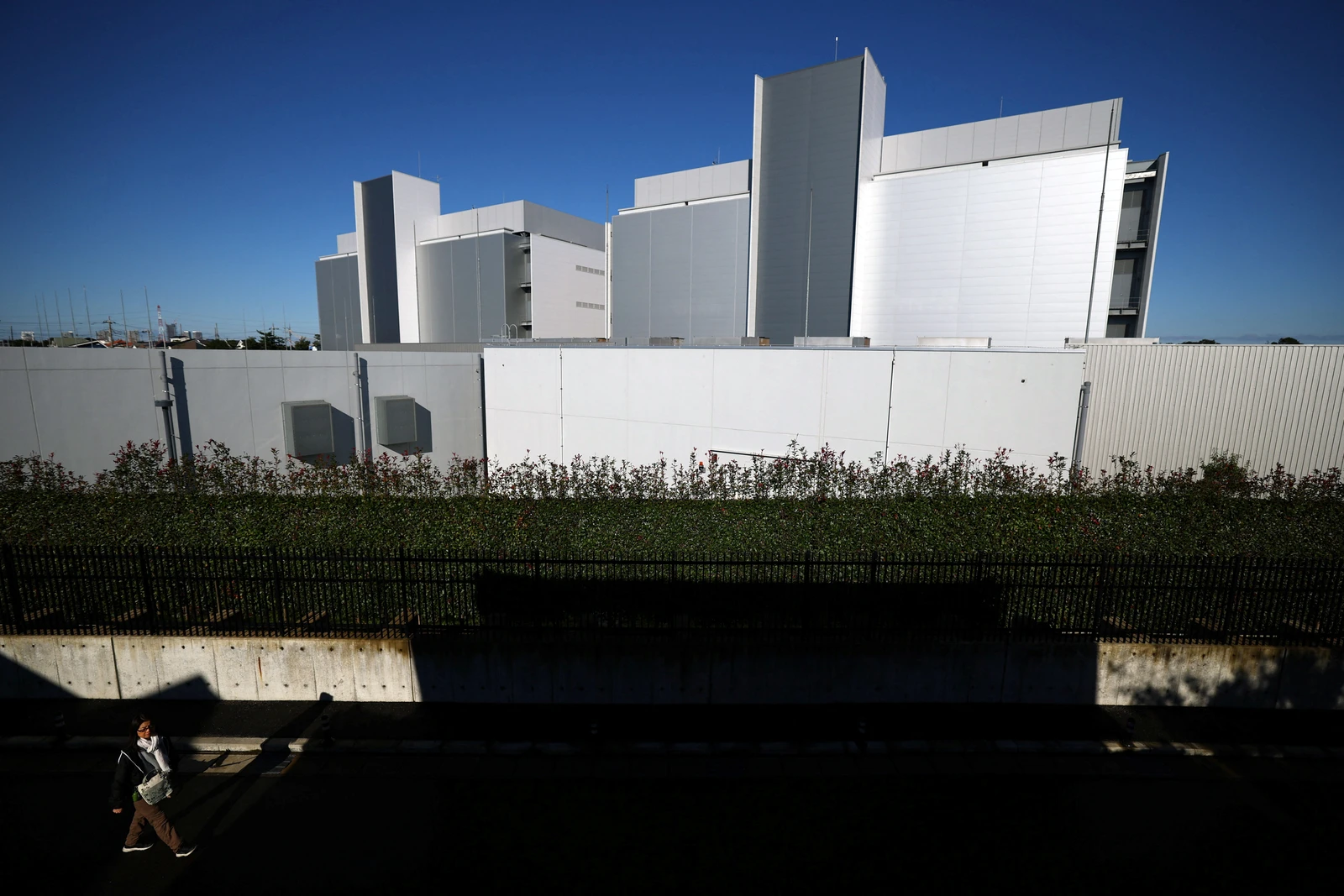
In March 2025 Duterte was arrested and taken to The Hague, where he is being held in a detention unit for war crimes suspects within a Dutch prison.
“For those who have suffered the most egregious abuses during the war on drugs, this will be a welcome moment in their quest for justice,” said Priya Pillai, an international lawyer who runs the Asia Justice Coalition. It “is a significant moment in Philippine history.”