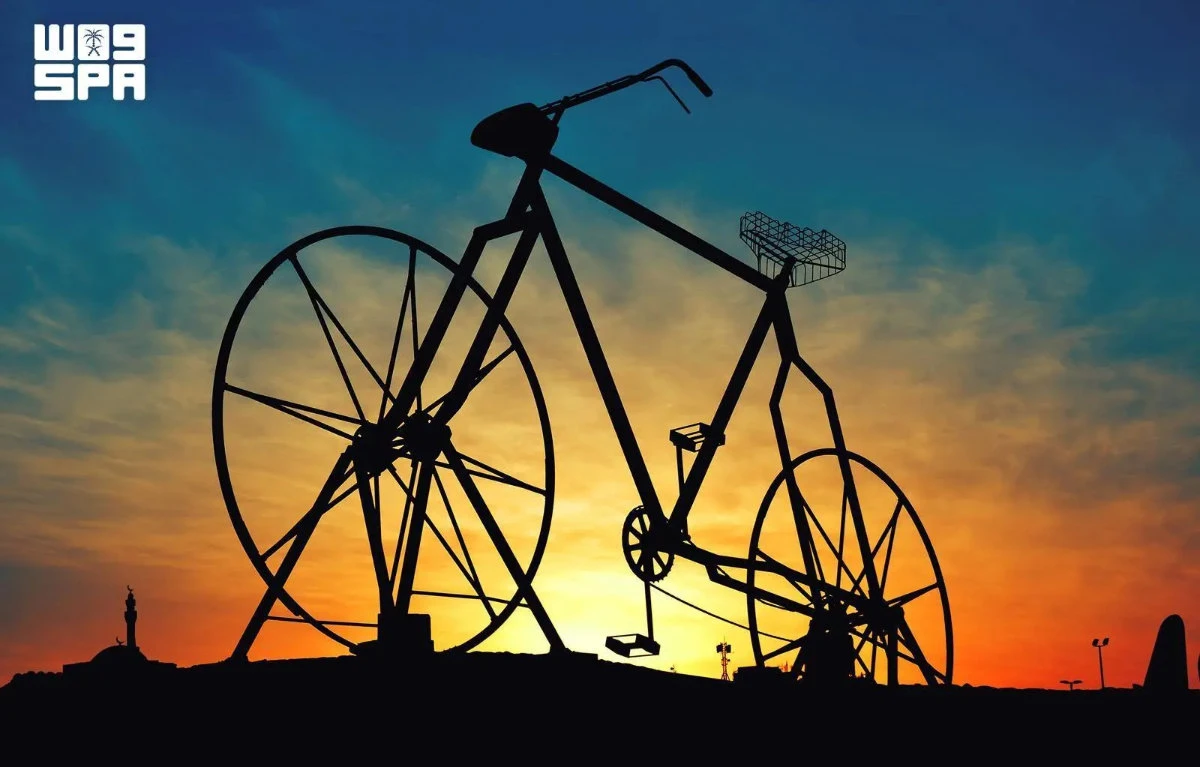
- Lafuente’s sculptures are a significant part of the ’Beautification of Jeddah’ project initiated in the 1970s, contributing to the city’s identity as an open-air art gallery
- His notable works include the 15-meter tall ’Bicycle’ sculpture and a globe sculpture symbolizing Makkah’s centrality in the Islamic world
JEDDAH: Around 30 art installations by Spanish artist and architect Julio Lafuente adorn the streets and squares of Jeddah, serving as visual landmarks deeply embedded in the memories of residents and visitors alike. Over the decades, these works have helped shape the aesthetic identity of the “Bride of the Red Sea,” turning the city into an open-air art gallery that blends artistic expression with the authenticity of its local environment.
Lafuente’s creations accounted for the largest share of the “Beautification of Jeddah” project, launched in the 1970s. Beyond their aesthetic appeal, the sculptures served a practical purpose as navigational markers and reference points, much like digital maps do today. Over time, they have become iconic landmarks closely associated with the city.
Since beginning his collaboration with Jeddah Municipality in the mid-1970s, Lafuente produced a diverse collection of artworks rich in symbolism and meaning. Using materials sourced from the local environment, he reinforced the connection between the sculptures, their surroundings, and the collective memory of residents and visitors.
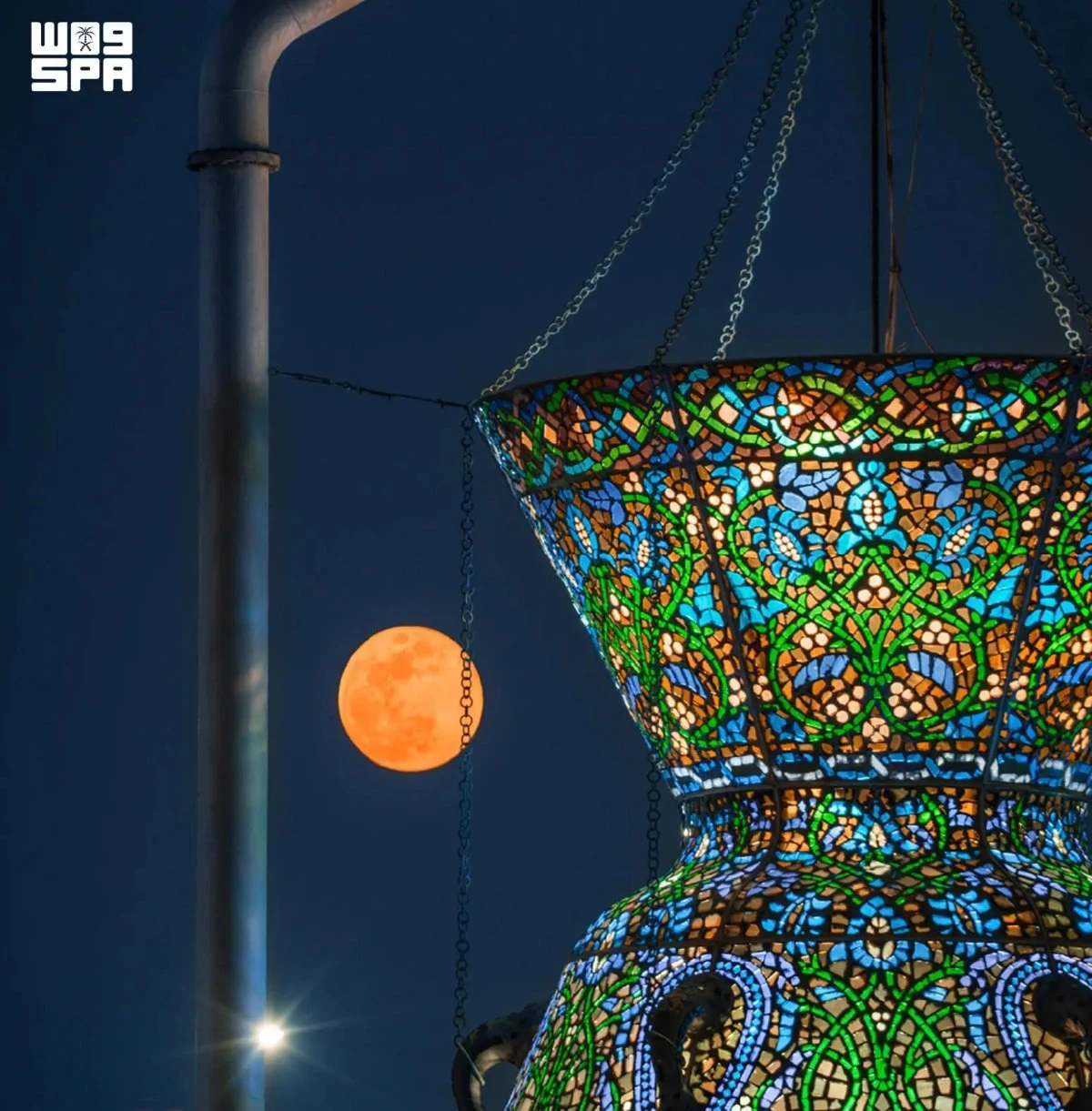
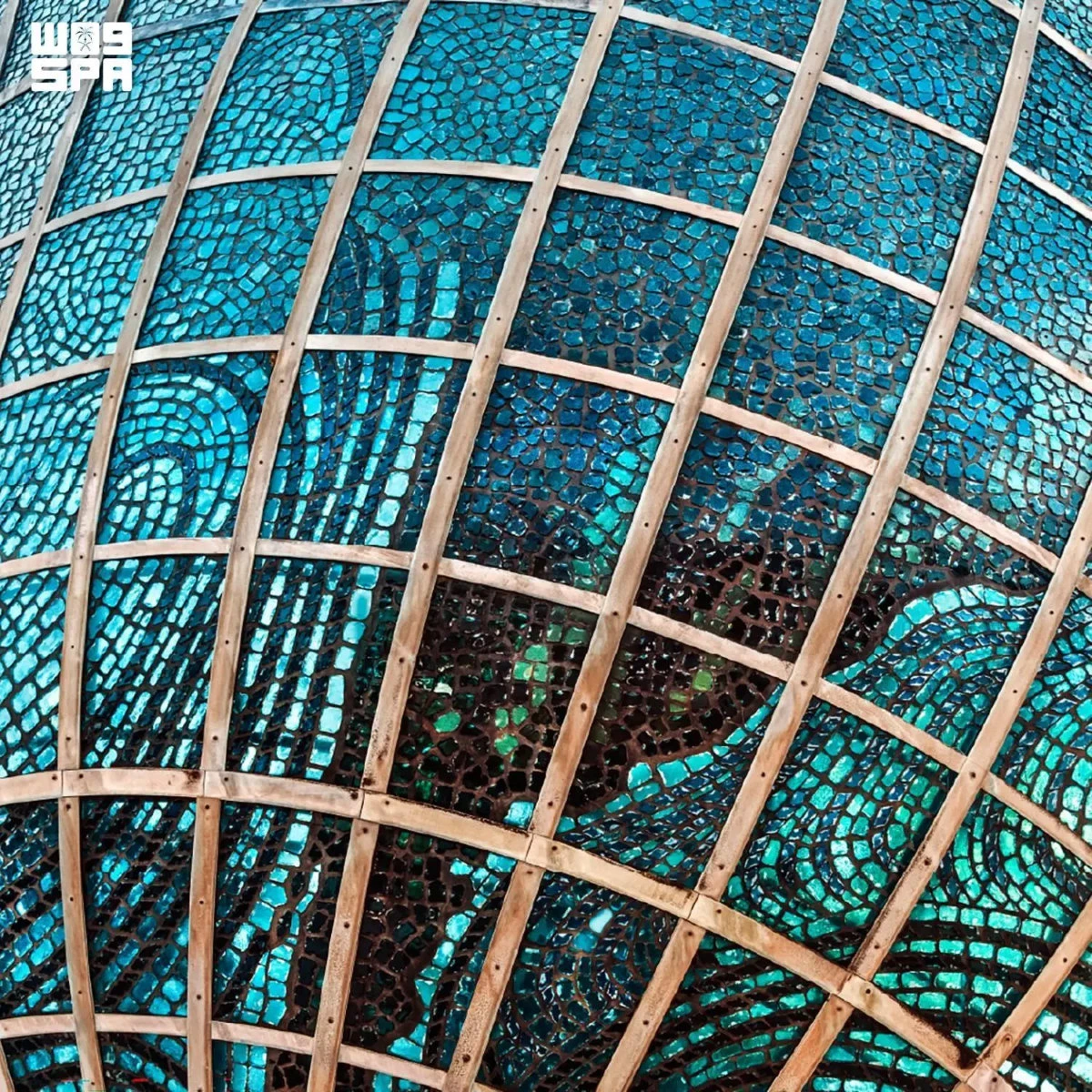
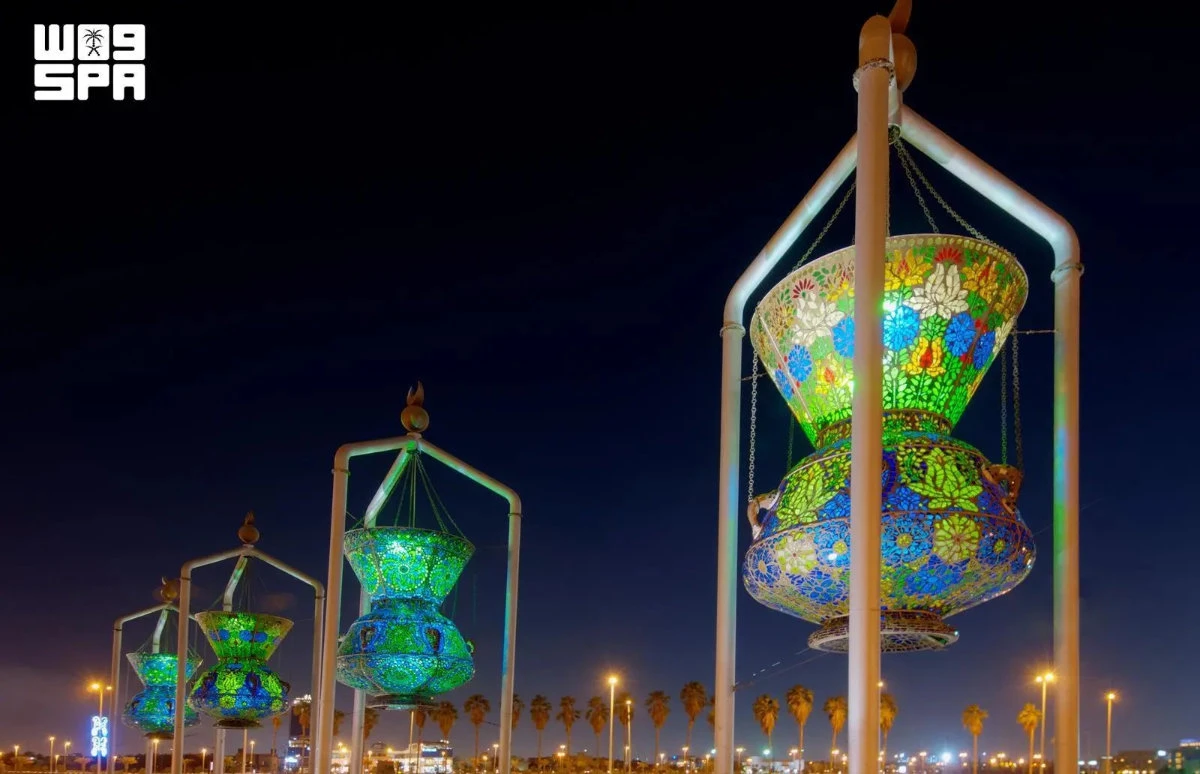
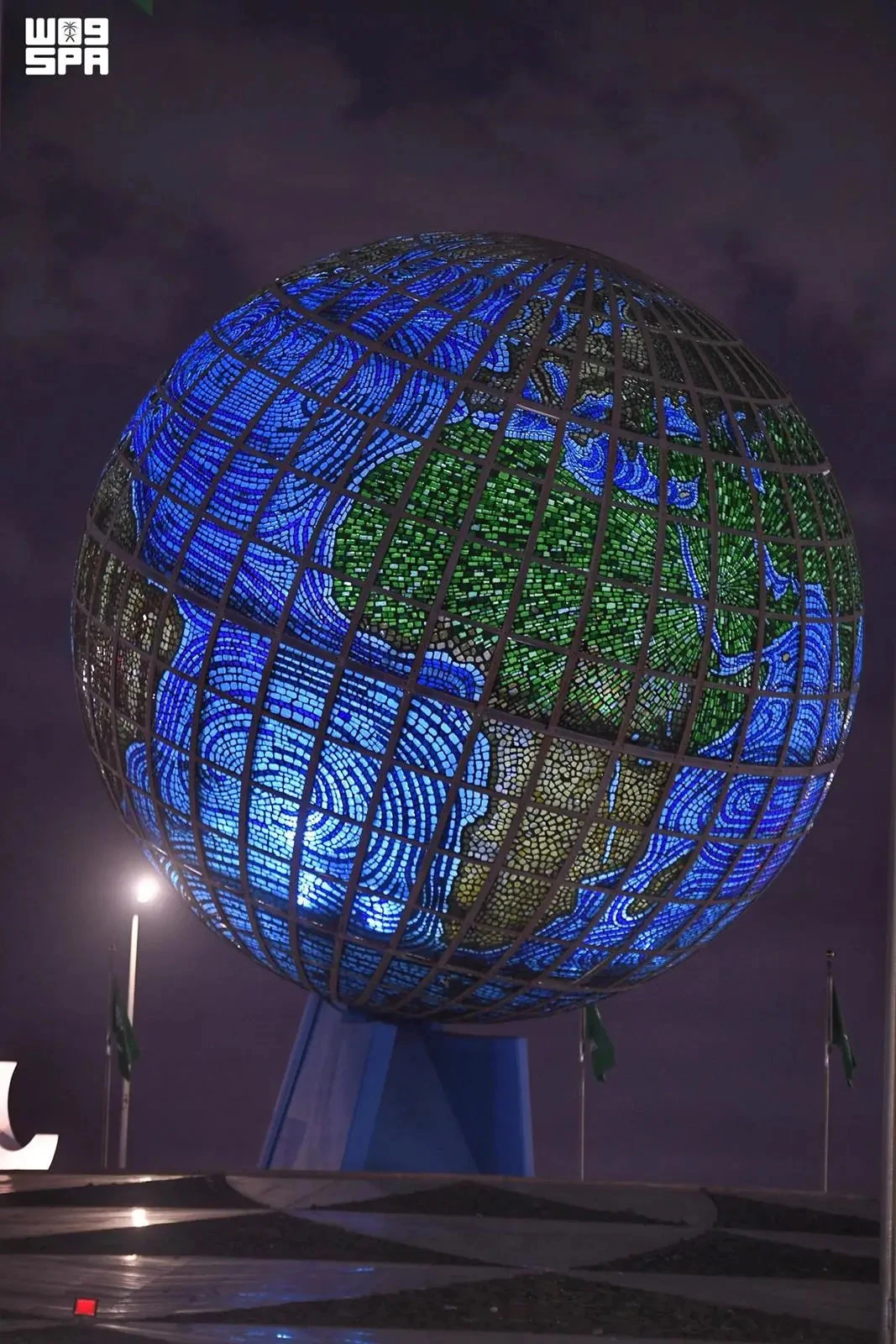
Among his most notable works is the “Bicycle” sculpture, a familiar Jeddah landmark distinguished by its striking design and massive iron structure, which stands 15 meters tall. Located north of King Abdulaziz Road, the globe sculpture, made of glass and colored concrete, symbolizes Makkah’s central position in the Islamic world. Meanwhile, four lantern sculptures along Al-Andalus Road evoke the beauty and authenticity of traditional Mamluk-era lamps.
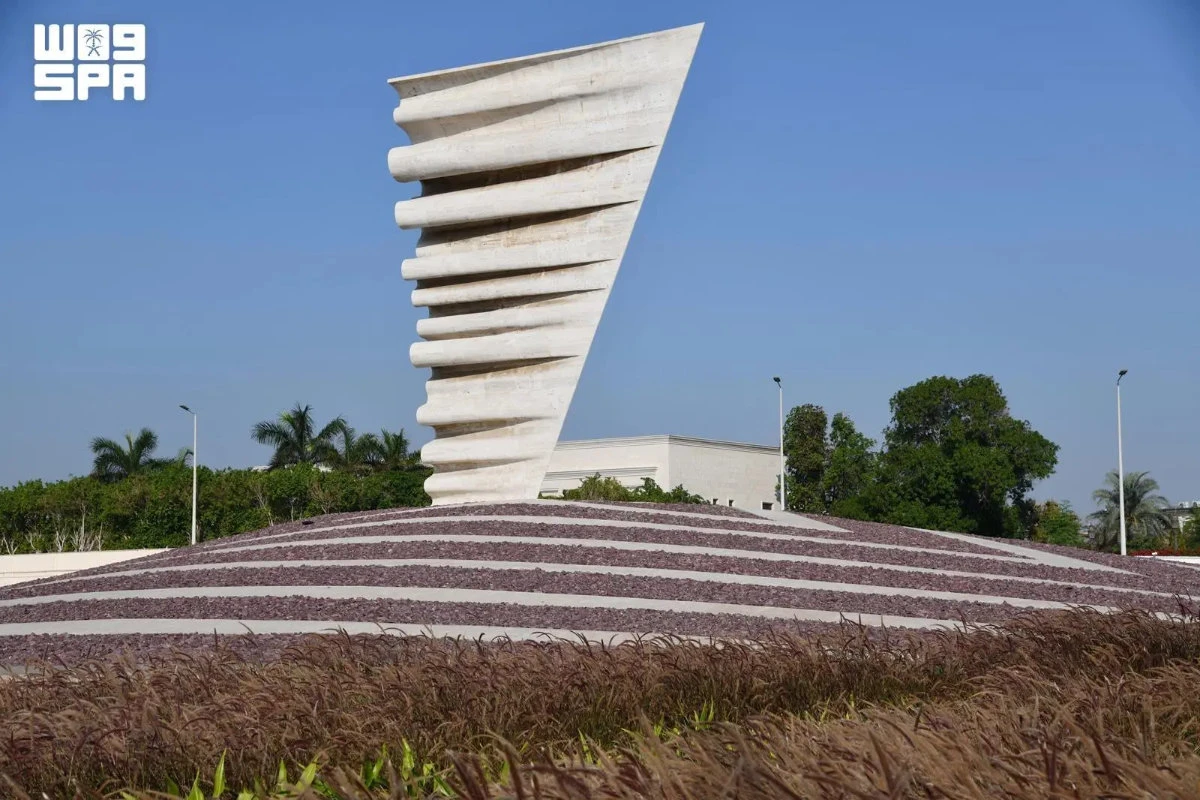
Lafuente’s works explore diverse artistic themes with cultural and religious dimensions. One sculpture, oriented toward the Grand Mosque, combines marble lines and geometric forms to express Islamic identity. Another, featuring a Quranic verse, brings together marble, bronze, and Arabic calligraphy, reflecting the artist’s understanding of local culture and his ability to translate it into artistic expression.
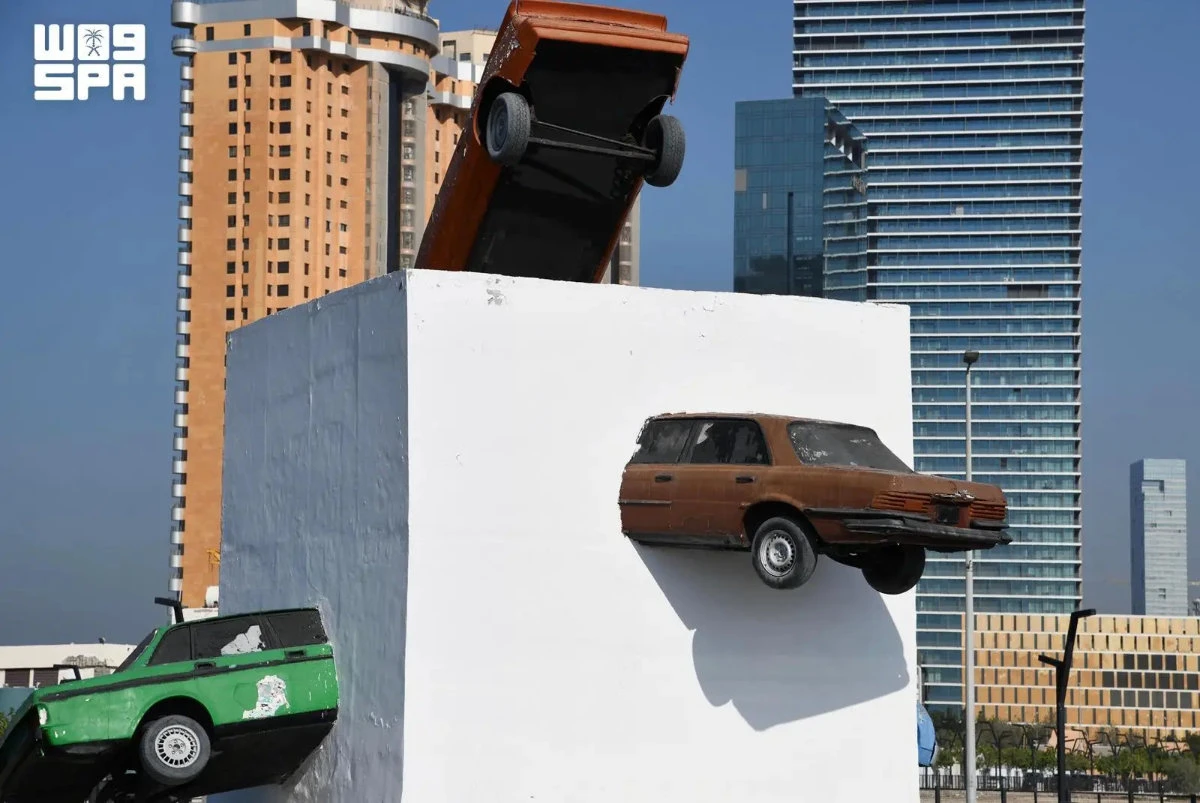
His work also carries a public-awareness message. The “Reckless Speed” sculpture features five actual cars embedded in a concrete cube, warning of the dangers of speeding and reckless driving. Lafuente’s architectural contributions include the design of the former Literary Club building in Jeddah, which now houses the Saudi Arabian Society for Culture and Arts.
Lafuente’s works remain a testament to a significant chapter in Jeddah’s urban beautification journey. They have become an integral part of the city’s visual identity and collective memory, passed down through generations while reflecting its artistic and cultural heritage, beauty, and authenticity.