- Saudi aid agency reports 1,304 projects covering healthcare, education, nutrition, rehabilitation
JEDDAH: Saudi Arabia’s aid agency KSrelief has implemented 1,304 projects for children worldwide, up from 1,103 a year earlier, the Saudi Press Agency reported recently.
The work ranges from helping children formerly recruited into armed conflict in Yemen return to school to providing cochlear implants and hearing rehabilitation.
KSrelief said that the projects were valued at more than $1.339 billion and had benefited more than 304 million children. In November 2025, the agency reported projects worth more than $1.25 billion.
The latest figures, released to mark World Children’s Day, represent an increase of 201 projects and about $89 million in reported project value over 12 months.
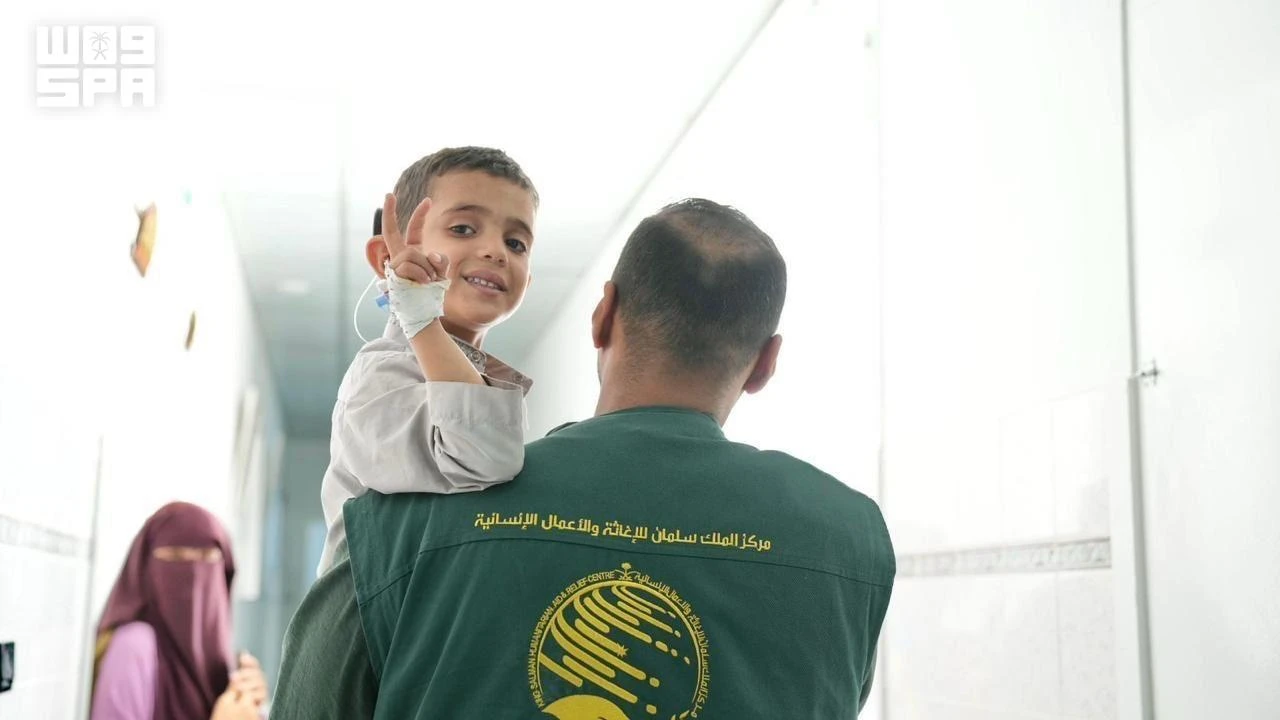
In Yemen, the agency’s Kafak program helps children previously recruited by the Houthi militia return to school and reintegrate into their communities. Children and their families receive psychosocial support, and parents can take part in vocational training to help them earn a steady income.
KSrelief signed a cooperation agreement in October 2024 to implement the project in Marib governorate and in Seiyun, in Hadramout governorate. The project was expected to benefit 460 people directly, including children, parents and members of community committees, and a further 20,000 indirectly.
Each group of 25 children takes part in three months of intensive rehabilitation and reintegration support. During the same period, 25 parents receive training in skills such as sewing and pastry-making.
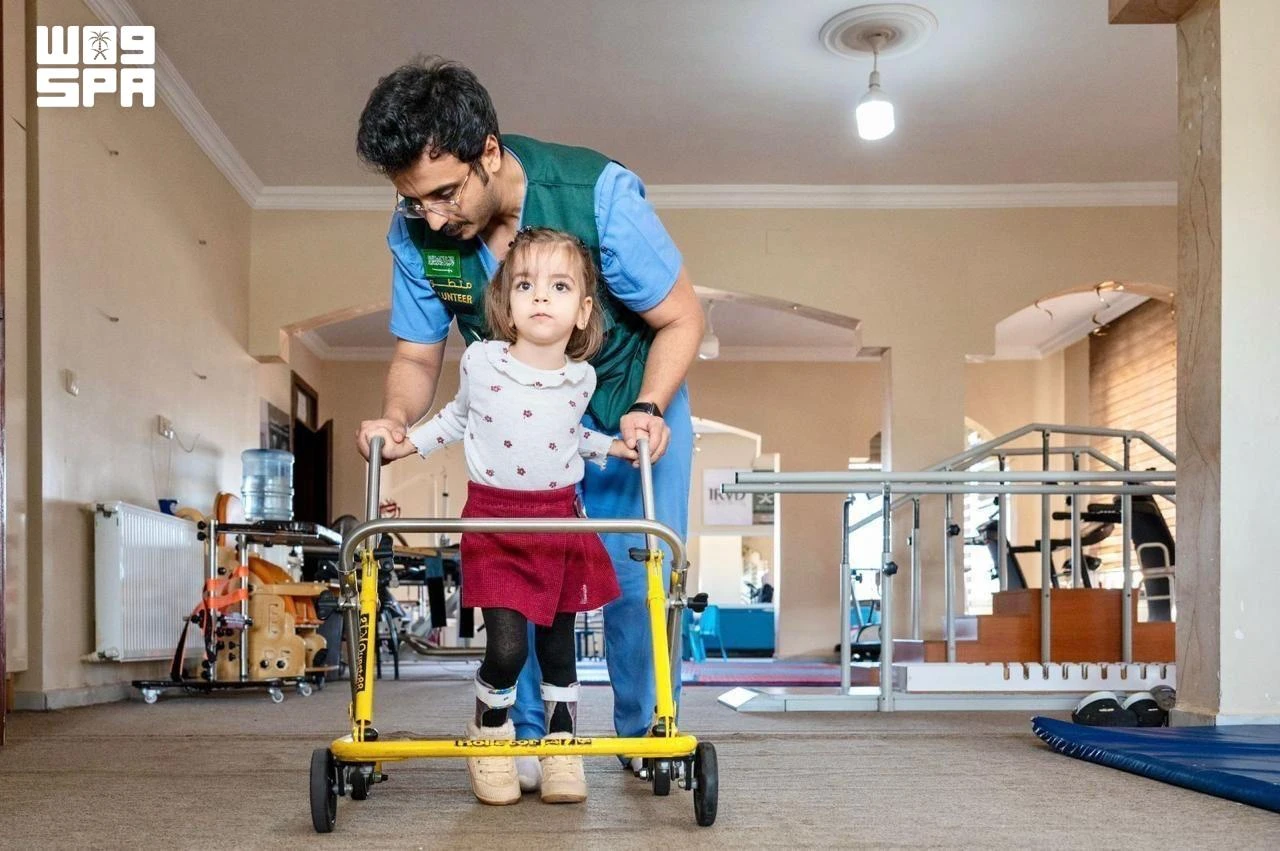
Through its Saudi Hearing volunteer program, KSrelief has provided cochlear implants and hearing rehabilitation to children in Tunisia, Syria, Turkiye and Senegal, as well as to Palestinian children in Jordan and to children from Kenya and Somalia. The agency describes it as the world’s largest volunteer humanitarian initiative dedicated to cochlear implantation and hearing rehabilitation.
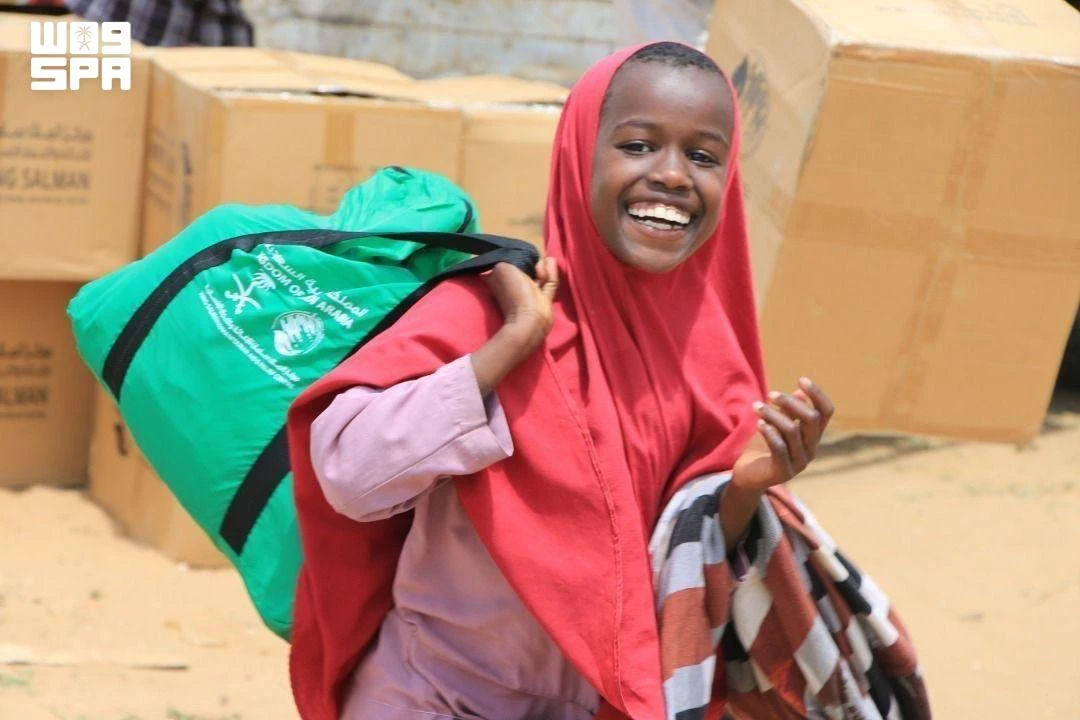
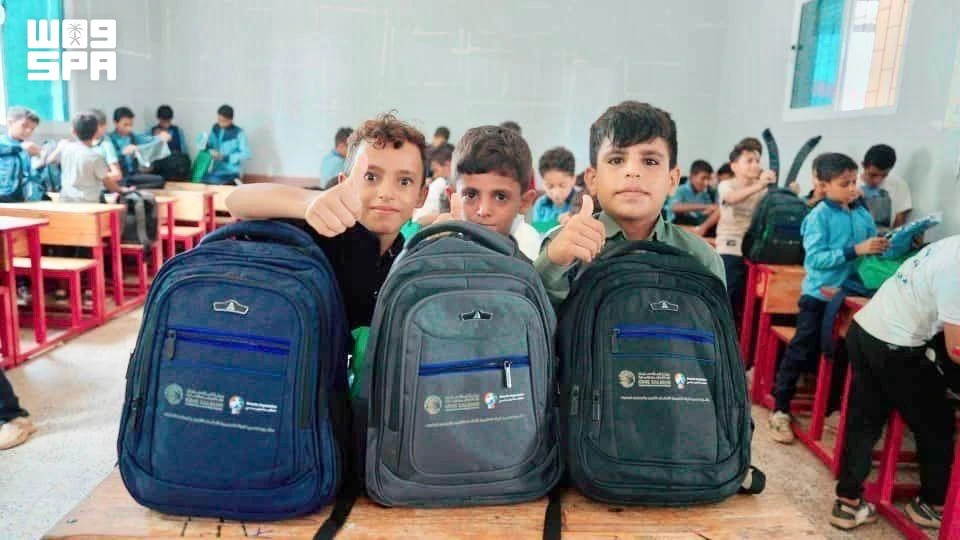
The Saudi aid agency also works with UNICEF to provide health services and nutrition support for newborns and their mothers. Its education projects supply learning materials and help children continue their schooling during disasters and other crises.
In 2025, KSrelief signed two agreements with the World Health Organization and UNICEF aimed at protecting 370 million children from polio each year.
The League of Arab States awarded KSrelief its Family- and Child-Friendly Institutions Award in 2024 in recognition of its work with Palestinian children and families living under occupation. The league’s Family and Childhood Department, part of its Social Affairs Sector, presented the award.
Saudi Arabia’s Conjoined Twins Program has performed 75 separation surgeries over 36 years and assessed 160 cases from 29 countries across five continents.
Dr. Abdullah Al-Rabeeah led the first operation in 1990. He now heads the program’s medical and surgical team and serves as supervisor general of KSrelief and an adviser at the Royal Court.
The Ministry of Defense works with KSrelief to arrange transport and medical evacuations for the twins. King Abdullah Specialist Children’s Hospital, part of the National Guard health system, assesses and treats the children and carries out the separation surgeries. The Ministry of Foreign Affairs helps families obtain visas and travel to the Kingdom through Saudi embassies and attache offices abroad.
The UN marks World Children’s Day on Nov. 20, the date on which its General Assembly adopted the Declaration of the Rights of the Child in 1959. Thirty years later, on the same date, it adopted the Convention on the Rights of the Child, the world’s most widely ratified human rights treaty.
KSrelief said the observance was an occasion for Saudi Arabia to renew its commitment to reaching children who need humanitarian assistance, wherever they live.