- Khawaja Asif says referendum proposal will be a joint document drafted with all stakeholders
- The statement comes amid a growing political debate about redrawing provincial boundaries
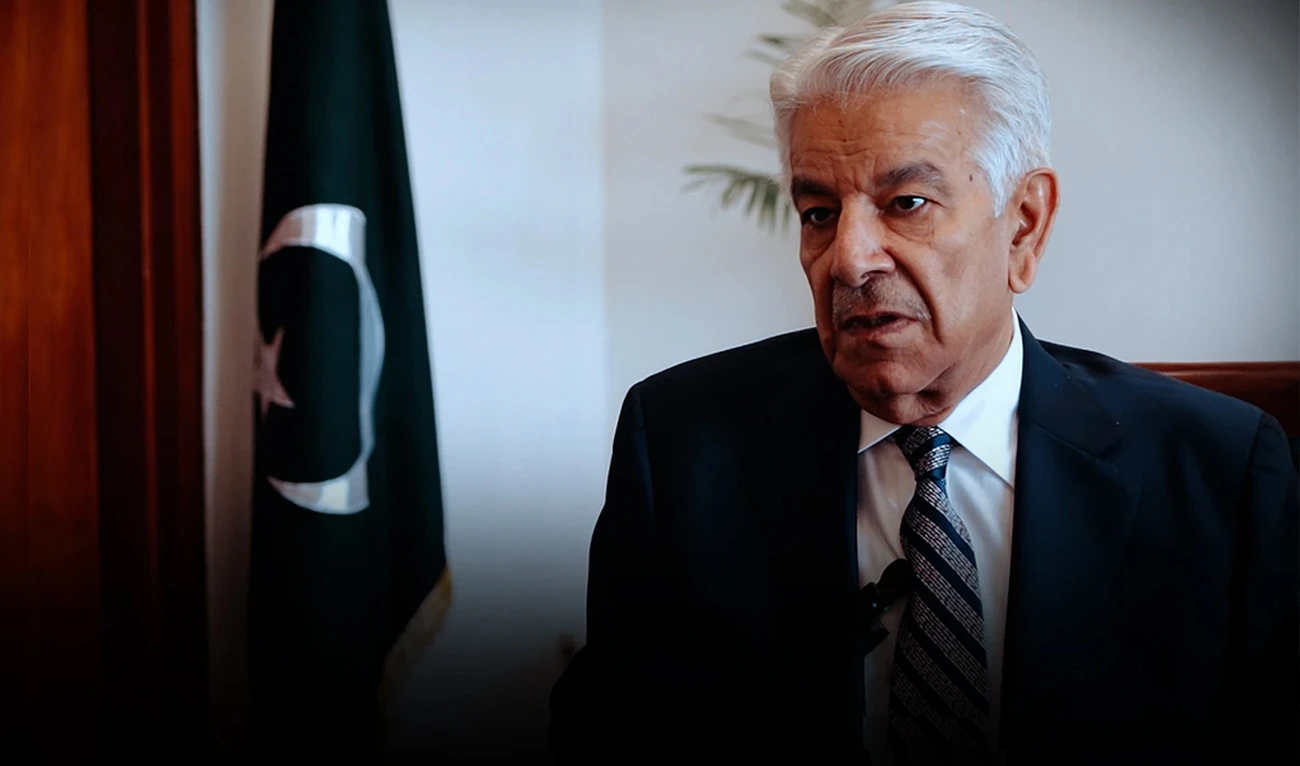
ISLAMABAD: Pakistan could move forward on a referendum on creating new provinces early next year, Defense Minister Khawaja Asif said on Sunday, describing a reported target of the first week of January as “not too far off the mark.”
The proposal has drawn both support and opposition across Pakistan’s political parties. Pakistan has four provinces, and supporters of creating more argue that smaller units would improve public services. But the Pakistan Peoples Party, which governs Sindh and is a key ally of Prime Minister Shehbaz Sharif’s government, has strongly opposed any move to divide the province.
Pakistan’s constitution allows the prime minister to put a question of national importance to voters after approval by a joint sitting of parliament. But a referendum would not, by itself, change any provincial boundary. Creating a new province would require a constitutional amendment backed by two-thirds of the total membership of each house of parliament and two-thirds of the assembly of the province concerned.
“I think that date is not too far off the mark. It could happen before that or a little later. In any case, it will happen soon, early in the new year, God willing,” Asif said on ARY News show “Sawal Yeh Hai” on Sunday.
He said proposals and reservations had come from various quarters, and that consultations were taking place with different stakeholders.
“I would certainly say that it won’t take two to four months. I think it is just around the corner,” the minister said.
The debate over new provinces gained momentum after Interior Minister Mohsin Naqvi publicly backed the proposal to create additional provinces or administrative units during a speech at the Pakistan Economic Summit in Islamabad on July 30.
Last week, PPP Chairman Bilawal Bhutto-Zardari warned against any attempt to divide Sindh, saying such a move could trigger serious unrest.
“If the province is divided by force, society will be divided; it will lead to enmity, ordinary people will take up arms, and the bloodshed will not be limited to a single death,” he said at an event in Karachi.
While Asif declined to give a specific date for the referendum, he said “the inevitability of this development is becoming increasingly clear with each passing day.”
“If someone has reservations about the entire matter and is expressing them, you cannot deny them that right. This is a fundamental element of any society,” he said.
“The draft will also be a joint document incorporating input from all stakeholders,” Asif said. “Rather than having a document that becomes a subject of disagreement, my personal view is that, given the efforts currently underway and the series of meetings and consultations taking place, some form of proposal will emerge that is acceptable to everyone.”