- Foreign Office says Kabul must address cross-border militancy concerns to advance regional cooperation
- Pakistan accuses New Delhi of supporting militant violence to undermine its mineral development efforts
ISLAMABAD: Pakistan said on Friday it had excluded Afghanistan from a regional economic meeting in Islamabad because it did not recognize the Taliban administration, highlighting strained relations between the neighbors despite diplomatic engagement and shared ambitions for regional trade and connectivity.
The explanation came days after Pakistan hosted the 30th Council of Ministers meeting of the Economic Cooperation Organization (ECO), a 10-member regional grouping that includes Afghanistan, on November 16. Islamabad has repeatedly accused Kabul of harboring militants responsible for cross-border attacks, allegations the Afghan Taliban authorities deny.
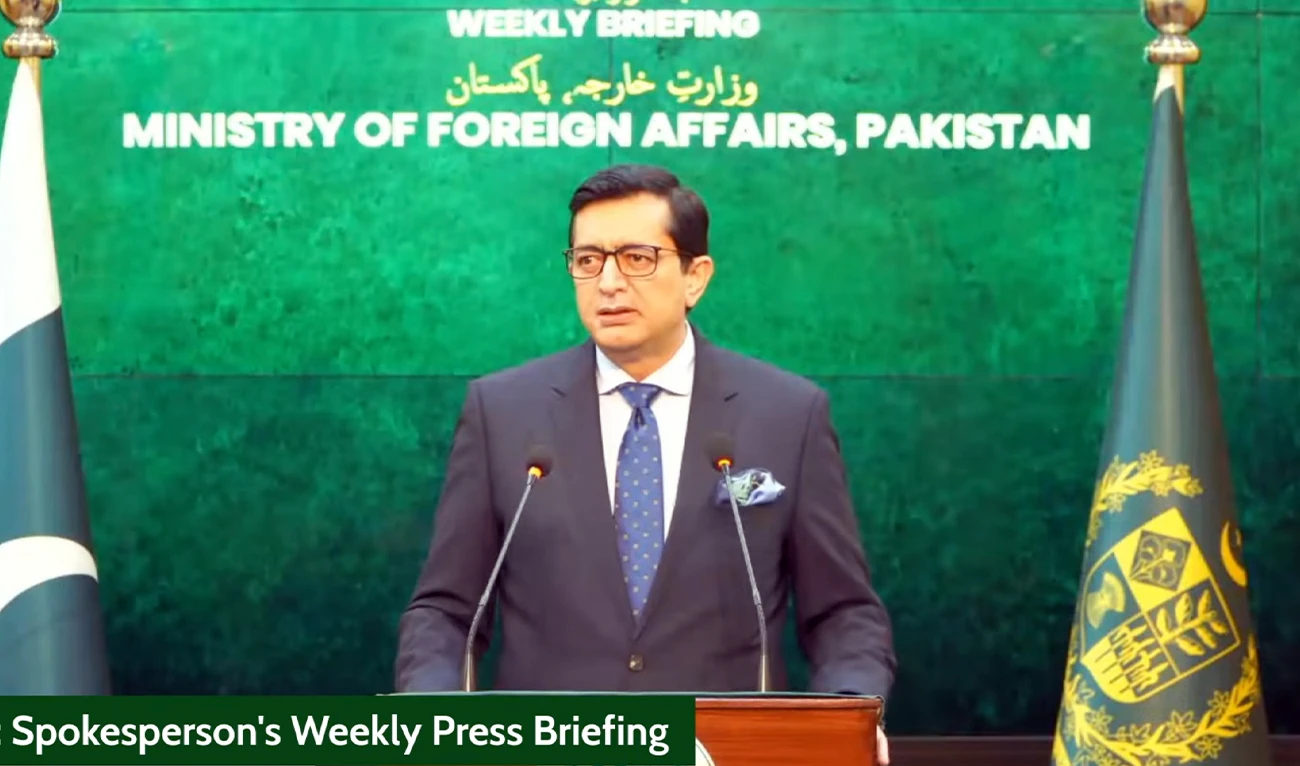
“Afghanistan was not invited to join the ECO meeting in Islamabad as Pakistan has not recognized the incumbent regime,” Foreign Office spokesperson Sajjad Haider Khan told reporters at a weekly briefing.
“Afghanistan’s, as you are aware, membership from the ECO forum secretariat remains suspended,” he added. “And furthermore, as per ECO procedures, participation in the ministerial level meetings is subject to the host country’s discretion also.”
Pakistan’s position comes despite high-level diplomatic contacts between the two countries since the Taliban returned to power in August 2021 following the withdrawal of US-led forces. Pakistani ministers have visited Kabul and held talks with Taliban officials, while Islamabad announced plans in May 2025 to upgrade its diplomatic representation in Afghanistan to the ambassadorial level.
The move did not amount to formal recognition of the Taliban administration, whose policies, particularly restrictions on women’s rights, have drawn widespread international criticism.
Relations between Islamabad and Kabul have deteriorated sharply over militant violence, border clashes and Pakistani military operations targeting what Islamabad describes as militant sanctuaries inside Afghanistan.
The dispute has repeatedly disrupted cross-border trade and movement, complicating efforts to develop Afghanistan as a transit corridor connecting Pakistan with the resource-rich economies of Central Asia.
Afghanistan’s exclusion from the recent ECO ministerial meeting was particularly notable as the gathering was held under the theme “Reviving Regionalism for a Resilient ECO.”
Khan said Pakistan wanted Afghanistan to become a peaceful and prosperous country integrated into regional economic structures but insisted that security concerns must first be addressed.
“We believe that meaningful progress requires Afghan authorities to address the legitimate security concerns of neighboring countries, particularly the threat of terrorism emanating from Afghan soil in the interest of sustained regional peace, stability, and development,” he said.
INDIA DISPUTE
Separately, Khan rejected allegations made by India’s permanent representative to the United Nations concerning Pakistan’s military leadership and the exploitation of the country’s mineral resources.
The accusations were made during a November 18 UN Security Council Arria-formula meeting on natural resources and conflict, at which Indian Ambassador Parvathaneni Harish criticized the Pakistani military’s role in the mineral sector and accused it of pursuing its own interests rather than benefiting the population.
Responding to a question about the remarks, Khan described India’s allegations as irresponsible and an interference in Pakistan’s internal affairs.
“Pakistan categorically rejects the undiplomatic and irresponsible remarks made by India at the United Nations,” he said.
He accused New Delhi of attempting to undermine Pakistan’s mineral development by supporting militant violence in Balochistan and Khyber Pakhtunkhwa, allegations India has previously rejected.
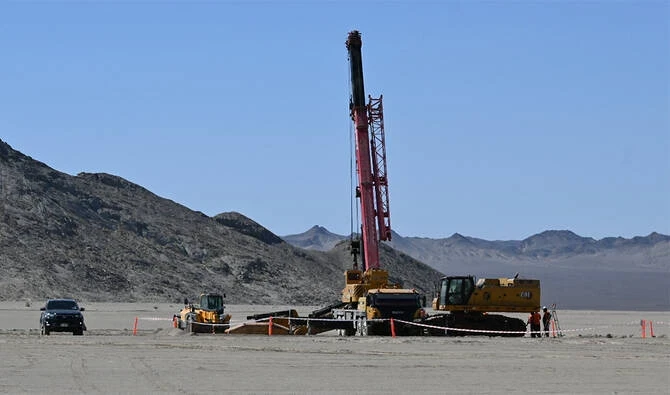
The diplomatic exchange came less than a week after Pakistan hosted an international minerals investment forum in Islamabad on November 12-13, bringing together government officials, foreign investors and mining executives as the country seeks to attract investment in its largely untapped mineral reserves.
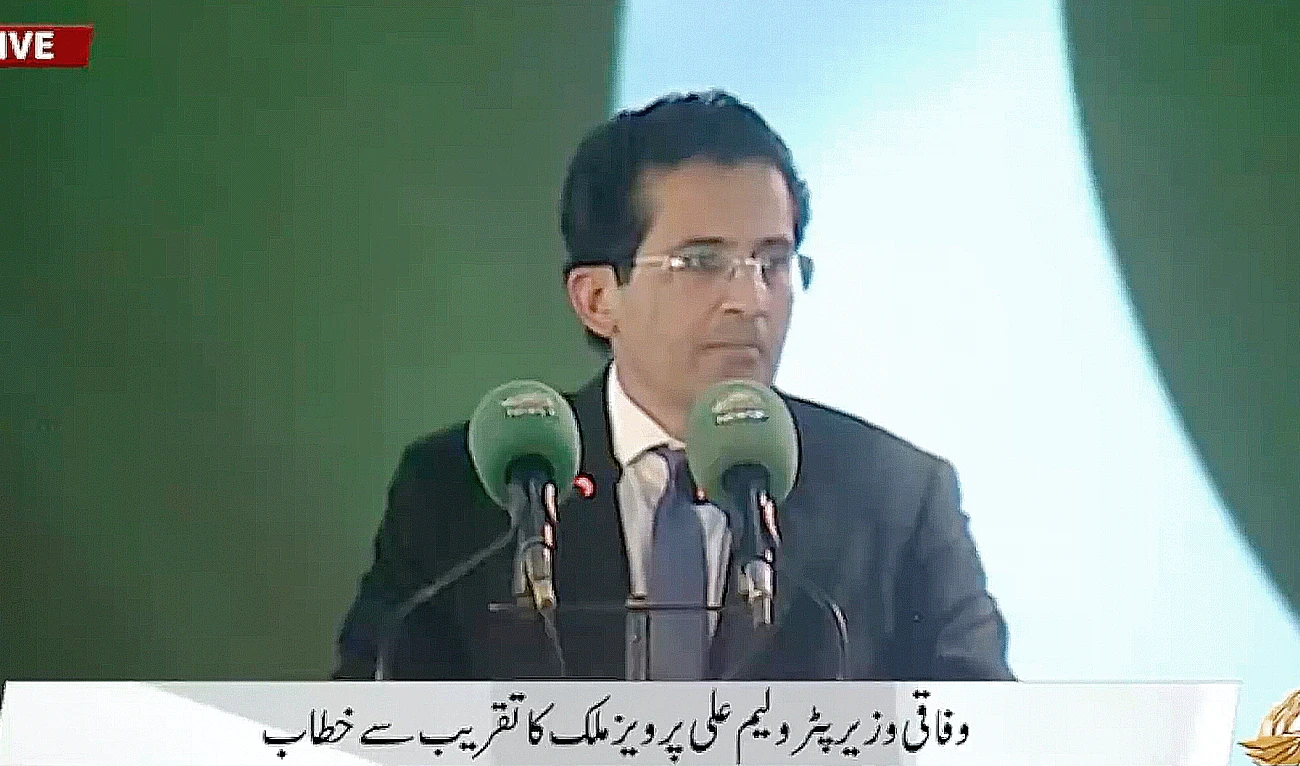
Prime Minister Shehbaz Sharif used the forum to invite international investors into Pakistan’s mining sector, while officials emphasized plans to expand domestic mineral processing and refining.
Pakistan has increasingly promoted its copper, gold and other critical mineral deposits as potential sources of foreign investment and economic growth, with mineral development emerging as a focus of its economic engagement with international partners.