- Pakistan signed 13 agreements at minerals forum this month, covering exploration, geological surveys, investment
- Barrick slowed work on the mega Reko Diq copper and gold project, citing worsening security risks
ISLAMABAD: Pakistan has invited South African investors to explore its mining and critical minerals sector, state media reported on Friday, as Islamabad seeks foreign capital to develop deposits and build processing facilities at home.
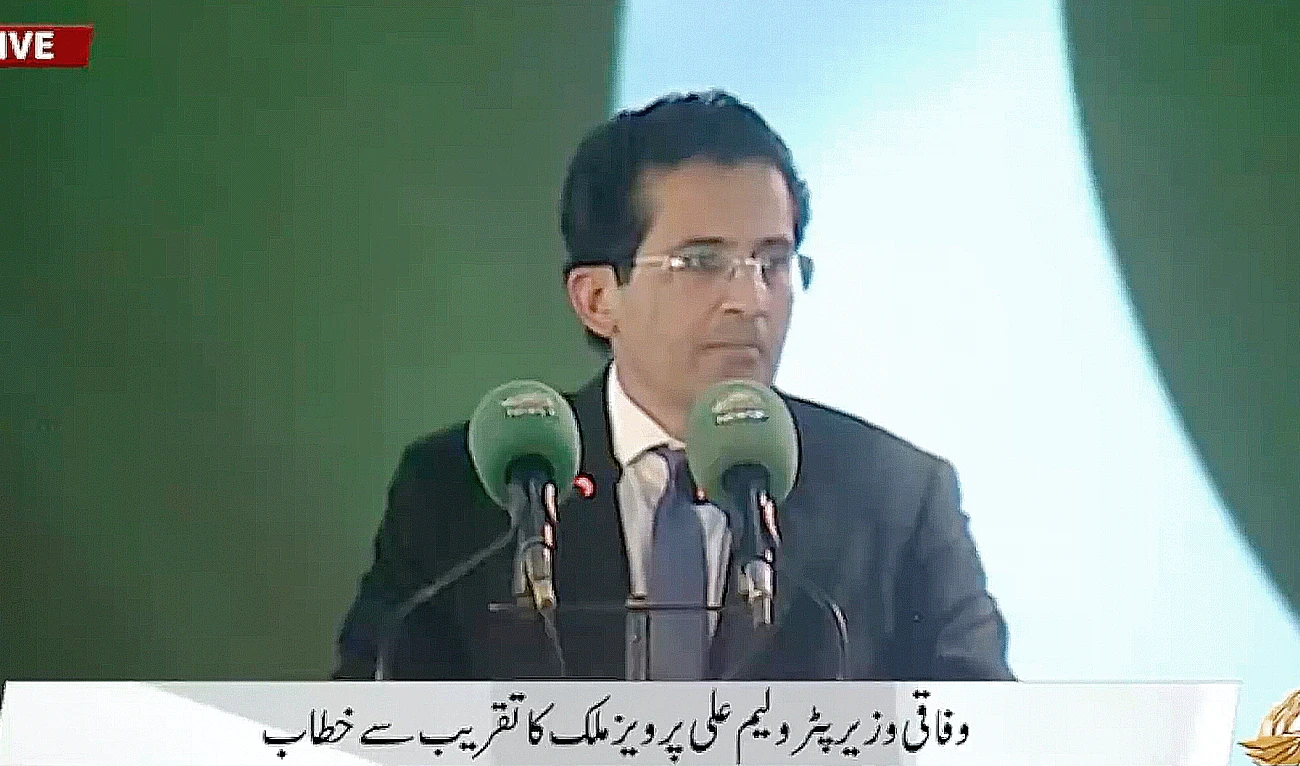
Pakistan has deposits of copper, gold, iron ore and antimony, but much of its mineral potential remains undeveloped. At the Pakistan Minerals Investment Forum in Islamabad earlier this month, officials reported 13 agreements and memorandums covering exploration, investment, geological surveys and work on existing licenses. Prime Minister Shehbaz Sharif urged investors to build processing and refining facilities in Pakistan so the country could export higher-value products.
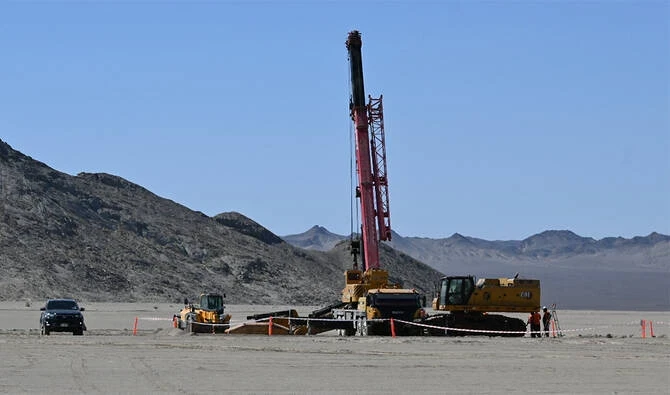
The biggest test is Reko Diq, copper and gold project in southwestern Balochistan that holds an estimated 14.6 million metric tons of copper and 26 million ounces of gold in probable reserves, based on figures disclosed by Canada’s Barrick Mining for its 50 percent stake. Barrick said in April it would slow development and extend its review until mid-2027 after security risks worsened. The review covers security, financing, costs and the project’s schedule.
“Minister for Commerce Jam Kamal Khan has invited South African investors to explore investment opportunities in Pakistan’s mining and critical minerals sectors,” Radio Pakistan reported, saying Khan made the remarks in a meeting with a South African business delegation in Islamabad.
The delegation was led by Gwen Ramokgopa, treasurer-general of South Africa’s African National Congress and chair of its Progressive Business Forum, Business Recorder reported, citing a statement. Khan also invited investment in mineral processing, gemstone cutting and jewelry manufacturing. No specific mining project or investment commitment was announced.
Khan called for closer ties between the two countries’ trade chambers to identify barriers to commerce and pointed to opportunities in agriculture, dairy, livestock, halal products and information technology, Radio Pakistan said.
Reko Diq illustrates the scale of the opportunity. Barrick’s year-end 2025 disclosures put the probable reserves attributable to its 50 percent stake at 7.3 million metric tons of contained copper and 13 million ounces of gold. Its feasibility study originally envisaged production starting in 2028, before the company announced the slowdown.
Separatist militants in Balochistan have targeted coal mine workers and Chinese projects. At this month’s minerals’ forum, Pakistan’s army chief, Field Marshal Asim Munir, pledged security for investors and workers, while the government said it would protect mine sites and transport operations.
Licensing is another hurdle. Pakistan’s provinces regulate most mining activity, and the federal government has been working with them to make rules more consistent. Officials said some agreements signed at the forum could lead to contracts, but did not disclose their combined value.