- Germany invites four regional and four European powers for fresh diplomatic talks, Ishaq Dar says
- Pakistan continues efforts to uphold US-Iran peace agreement amid tensions over its implementation
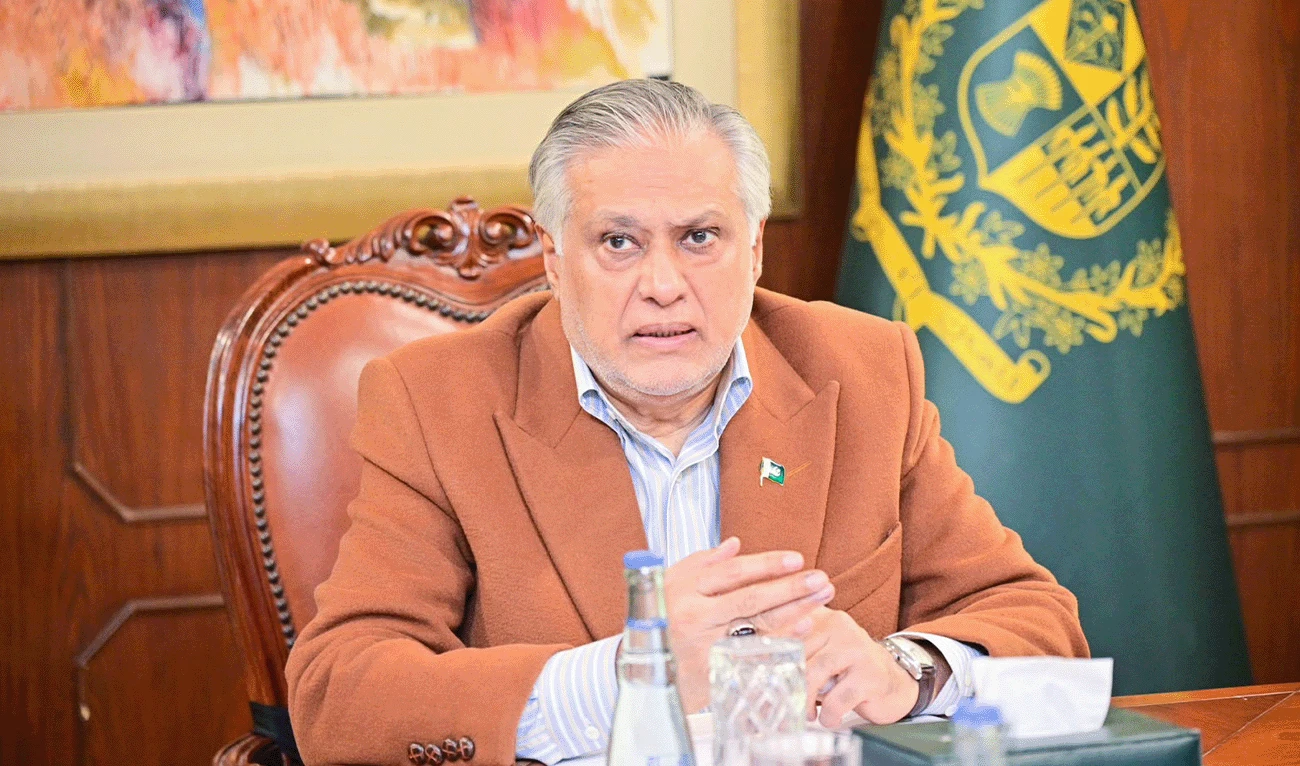
ISLAMABAD: Pakistan’s Deputy Prime Minister and Foreign Minister Ishaq Dar has said Germany has invited foreign ministers from eight regional and European countries for talks in December aimed at easing regional tensions, as diplomatic efforts continue to resolve the conflict between the United States and Iran.
The proposed meeting would bring together Pakistan, Saudi Arabia, Türkiye and Egypt, collectively known as the Regional Four (R4), alongside Britain, France, Germany and Italy, or the European Four (E4). The countries have been coordinating diplomatic efforts to prevent further escalation in the Middle East, where the US-Iran conflict has disrupted energy supplies, shipping routes and regional security.
“Germany has invited R4 and E4 in Germany in December,” Dar told Euronews in an interview published this week. “So, we are fixing a date.”
The eight countries last met in Istanbul on Oct. 23, when their foreign ministers discussed the US-Israel conflict with Iran, the Israeli-Palestinian conflict and threats to maritime navigation, including tensions in the Strait of Hormuz and Bab Al-Mandab.
A joint statement issued after that meeting called for dialogue, diplomacy and de-escalation, with the ministers agreeing to continue consultations aimed at preventing conflicts and promoting regional stability.
Dar said the diplomatic initiative reflected growing recognition among regional and European powers that military action could not resolve the Middle East’s conflicts.
“You see, this is a combined responsibility to try and solve, keep both parties cool, make them understand that there is no solution through kinetic actions,” he said. “It has to be through dialogue and diplomacy.”
Pakistan has emerged as a diplomatic intermediary between Washington and Tehran since the conflict began in February, hosting direct negotiations between the two countries in Islamabad in April and helping broker a memorandum of understanding signed on June 18.
The agreement has faced difficulties in implementation, with continued disagreements between the two sides and disruptions to maritime traffic through the strategically important Strait of Hormuz.
Dar said Pakistan remained engaged with both governments to preserve the agreement and prevent further escalation.
“Pakistan hasn’t given up,” he said. “We are still working hard. We continue to persuade both parties to please, you know, respect and honor what we have signed on 18th of June.”
The deputy prime minister said the April negotiations in Islamabad had lasted 21 hours and brought the two sides close to an agreement before further consultations became necessary.
He also disclosed that Islamabad had emerged as the mutually acceptable venue for the talks, with Iran considering either Muscat or Islamabad and the United States preferring Doha or Islamabad.
Dar said the wider conflict had demonstrated the need for a new regional security architecture, with countries working together to address threats extending beyond the Middle East.
He warned that disruptions to energy supplies and rising fuel prices were affecting economies around the world, including Pakistan, which has introduced targeted subsidies to cushion vulnerable consumers.
The deputy prime minister also defended Pakistan’s broader foreign policy approach, saying Islamabad sought constructive relations with competing global powers rather than aligning itself exclusively with any bloc.
“We believe in multilateralism,” he said. “Bloc politics or unilateral politics will not work.”
Dar said Pakistan viewed dialogue and diplomacy as the only sustainable means of resolving international disputes, arguing that even during periods of intense conflict, governments should increase efforts to find negotiated solutions.
“At the end of the day, a solution will be on the table,” he said.