- Pakistan and Oman agree to raise visa issues with their governments to ease business travel
- Oman’s OQ Trading to extend $200 million in fuel credit to Pakistan amid Hormuz disruptions
ISLAMABAD: Pakistan and Oman discussed expanding trade and investment beyond oil on Monday and agreed to raise visa issues with their governments, a day after signing a fuel supply deal as tanker attacks disrupted shipping through the Strait of Hormuz.
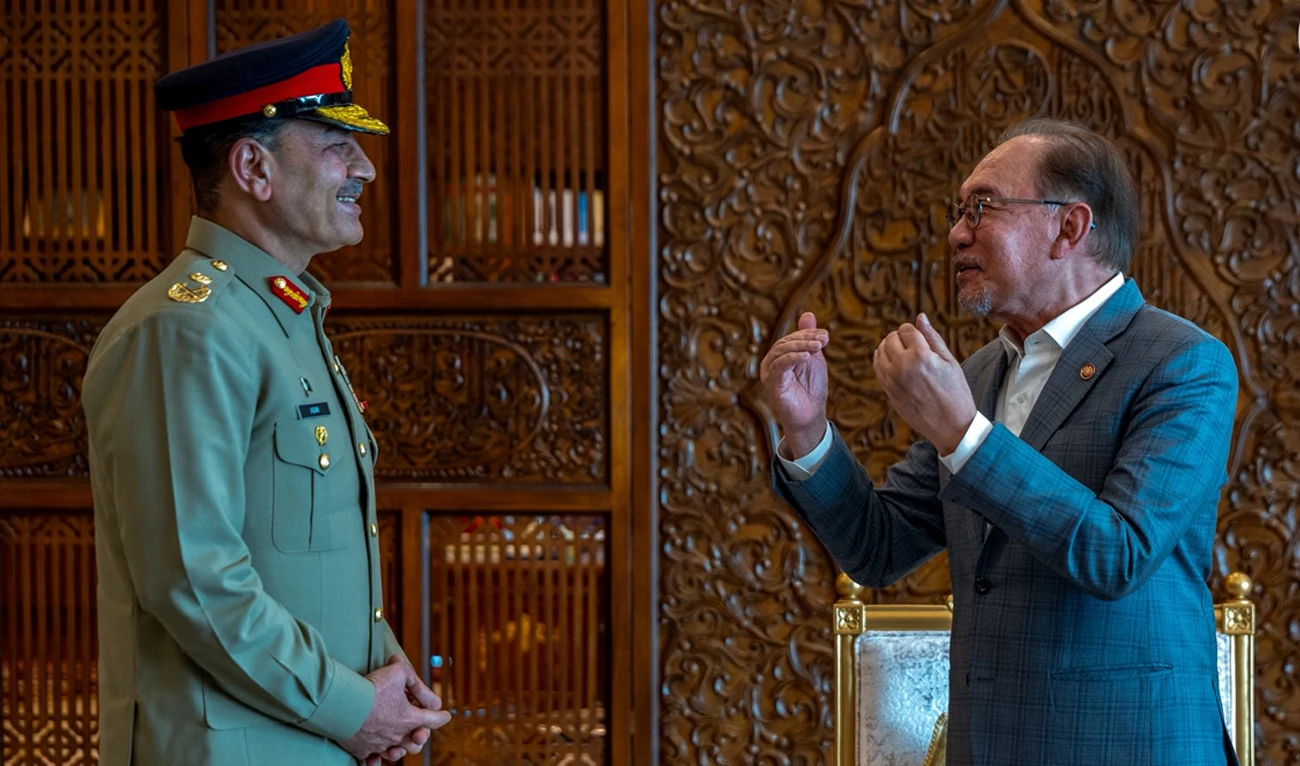
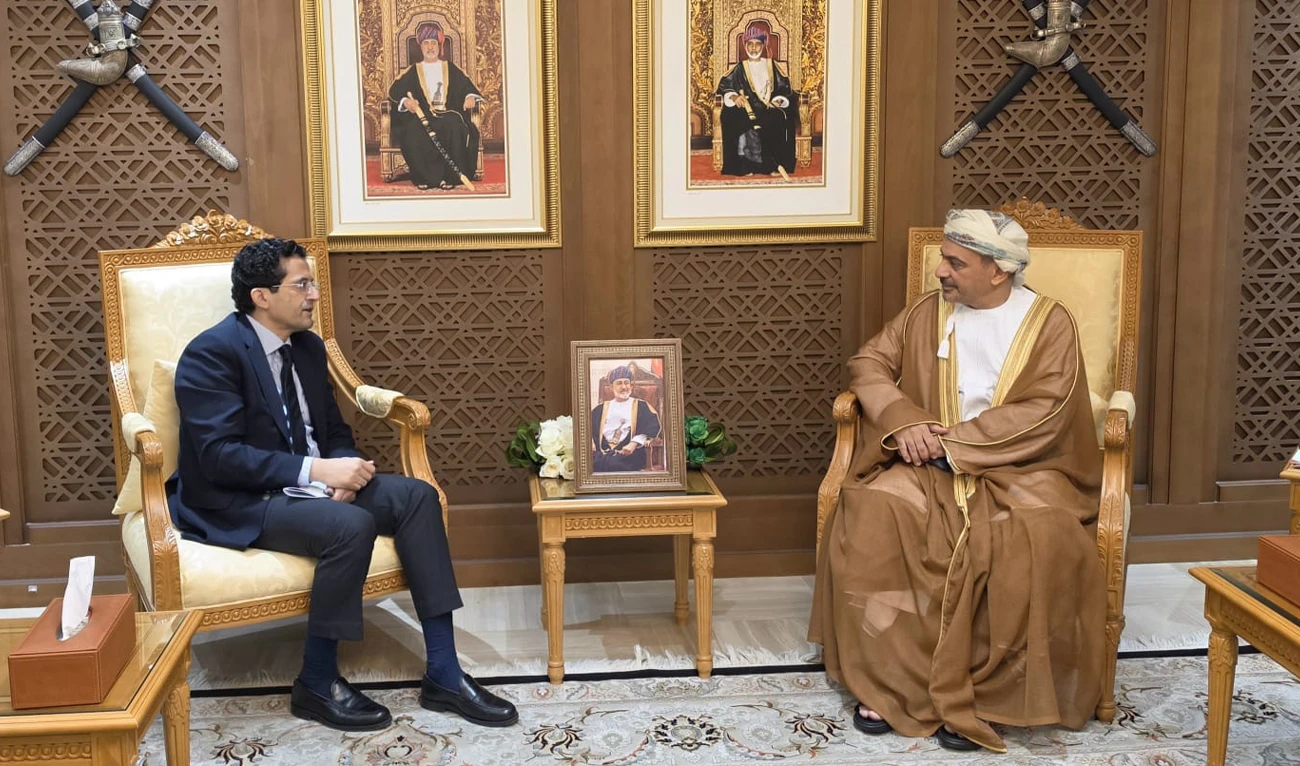
Talks on Monday between Pakistan’s Petroleum Minister Ali Pervaiz Malik and Oman’s Minister of Commerce, Industry and Investment Promotion Anwar bin Hilal Al Jabri in Muscat followed an October meeting of the countries’ joint ministerial commission in Islamabad that set out areas for closer cooperation, including agriculture, logistics and technology.
The two countries already agreed in October to waive visa requirements for holders of diplomatic and other official passports.
“During the meeting, both sides discussed opportunities to expand mutually beneficial trade and investment ties, particularly in non-oil sectors,” Pakistan’s Petroleum Division said in a statement.
“The Ministers noted that the exceptionally cordial bilateral relations and geographical proximity of the two countries provided a strong foundation for further strengthening economic cooperation.”
The ministers called for closer contact between business owners, manufacturers and traders. They also discussed using a recently established joint working group on trade and investment to identify opportunities in both markets. Al Jabri welcomed the fuel supply agreement and expressed hope it would lead to a long-term partnership in oil and gas, the Pakistani statement said.
Under the agreement signed Sunday in Muscat, Oman’s OQ Trading will supply petroleum products to Pakistan State Oil and extend a $200 million credit line to finance purchases. OQ Trading has already supplied more than one million metric tons of gasoline to Pakistan State Oil this year, according to Pakistan’s Petroleum Division.
Pakistan has long sourced much of its oil and gas from Saudi Arabia, Kuwait, the United Arab Emirates and Qatar, leaving it exposed to disruptions on Gulf shipping routes. Tanker traffic through the Strait of Hormuz slowed over the weekend after attacks on vessels, Reuters reported Monday, as talks to resolve the US-Iran conflict stalled.
Cargoes loaded at Oman’s ports outside the strait can cross the Arabian Sea directly to Pakistan, offering an alternative to routes through Hormuz or the Red Sea.
Pakistan’s announcement gave no shipment volumes or loading ports under the new agreement.