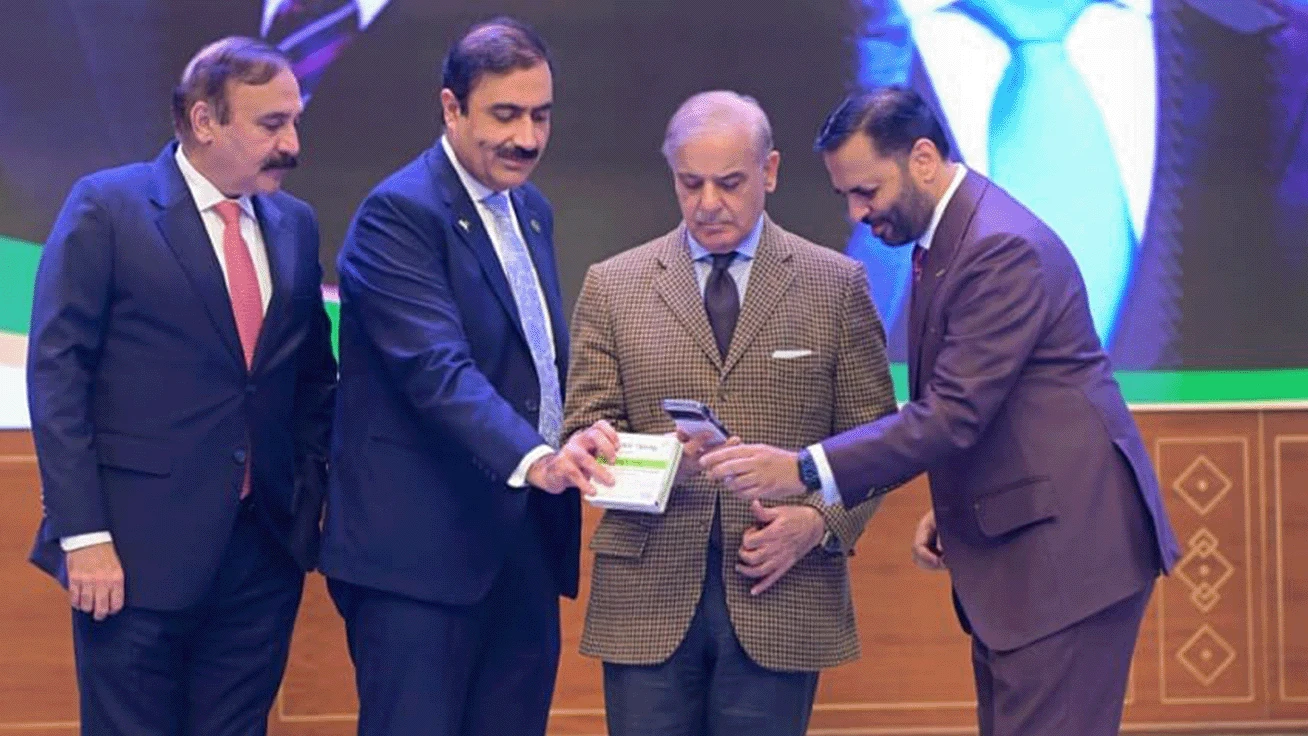
- Mehfooz Dawa lets shoppers scan barcodes on medicine packs to check authenticity, approved prices
- Rollout relies on manufacturers adding scannable codes and regulators following up on suspect products
ISLAMABAD: Pakistan formally launched a smartphone app on Thursday that lets shoppers scan medicine packs to check whether they are genuine and what they should cost, part of a government effort to curb the sale of counterfeit drugs.
Prime Minister Shehbaz Sharif scanned a medicine pack at the Islamabad launch of Mehfooz Dawa, which means “safe medicine” in Urdu. The app uses a two-dimensional barcode on the pack to retrieve product information. Health Minister Mustafa Kamal told parliament last month that shoppers would also be able to check the expiry date at the pharmacy counter.
Pakistan’s drug regulator has issued alerts about products sold in packaging that falsely named a licensed manufacturer.
The problem extends well beyond Pakistan. The World Health Organization estimates that at least one in 10 medicines in low- and middle-income countries is substandard or falsified. Falsified products deliberately misrepresent what they contain or where they come from, while substandard medicines fail to meet quality specifications.
“I believe the app you have developed is an excellent intervention,” Sharif said at the ceremony in Islamabad.
“It provides three important pieces of information: whether a medicine is authentic or counterfeit, its official price, and whether it is available or not.”
Sharif recalled a fatal incident at the Punjab Institute of Cardiology in Lahore when he was the province’s chief minister. More than 120 patients died in the 2011–12 disaster, which investigators linked to a contaminated batch of heart medicine.
Sharif urged officials to publicize the app and work with drugmakers and provincial governments to make medicines more affordable. He announced no price cuts or subsidies at the ceremony.
The app draws on a national system for tracking medicines through the supply chain.
A health ministry spokesperson told Dawn earlier this month that the system became operational on Oct. 9 and was intended to help regulators trace products and recall them when quality problems arise. He said about 800 pharmaceutical companies and more than 90,000 medicines were registered with the regulator. Those figures show the scale of the market the system is meant to cover. The launch remarks gave no figure for how many products shoppers can already scan or how the app checks availability.
The app’s reach will depend on how widely manufacturers put scannable codes on their products and whether customers have access to a smartphone.
A scan checks a code against a record. Detecting contamination or the wrong dose still requires testing, while getting suspect products off shelves depends on inspections and recalls. WHO says falsified medicines are often sold online or through informal markets, where enforcement is harder.