- Government accuses opposition-run Khyber Pakhtunkhwa of failing to confront rising militancy
- Opposition says counterterrorism actions require provincial consent, political consultation
ISLAMABAD: Pakistan’s government on Sunday accused the opposition-run Khyber Pakhtunkhwa administration of failing to confront militancy, hours after marathon negotiations between the two sides collapsed amid disagreements over how to tackle a surge in militant violence in the northwestern province.
The exchange exposed a longstanding divide over counterterrorism policy, with the federal government pressing for implementation of the National Action Plan, a nationwide counterterrorism framework adopted after the 2014 Army Public School massacre, while the Pakistan Tehreek-e-Insaf-led provincial administration has resisted large-scale military operations and advocated political engagement to tackle militancy.
PTI founder and jailed former prime minister Imran Khan also pursued negotiations with the Pakistani Taliban, or TTP, facilitated by the Afghan Taliban in Kabul during his tenure in power.
“Your narrative on terrorism is in favor of terrorists,” Information Minister Attaullah Tarar said in a post on X responding to PTI Secretary-General Salman Akram Raja. “KPK Government’s policy only encourages and supports spread of terrorism in the province.”
Raja had said the opposition insisted during the negotiations that counterterrorism actions in KP should be agreed upon between the federal and provincial governments and framed in consultation with political parties represented in the provincial assembly, while avoiding civilian casualties and displacement.
“We have zero tolerance for terrorism and are committed to rooting it out,” he said in a social media post. “Policies and actions aimed at fighting terror must have the support of the local population and be based on ground intelligence.”
Tarar questioned why the provincial government did not regularly participate in federal and provincial apex committee meetings that bring together civilian, military and intelligence officials to coordinate counterterrorism policy and accused it of failing to implement elements of the National Action Plan, including measures against illegal activities linked to militancy and steps to strengthen the police and Counter-Terrorism Department.
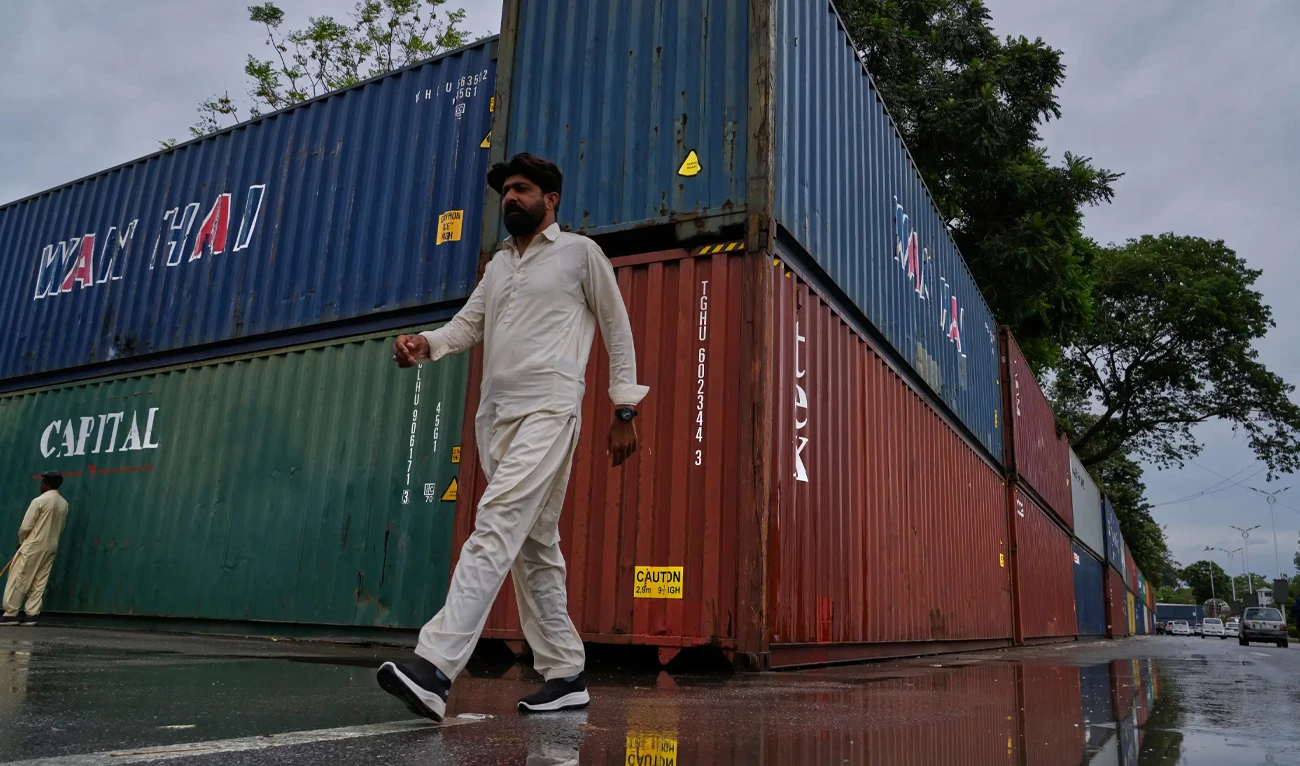
The accusations followed the breakdown early on Sunday of negotiations between the government and an opposition alliance led by PTI after hours of talks aimed at defusing political tensions ahead of a planned protest march on Islamabad.
Opposition leaders said counterterrorism policy in Khyber Pakhtunkhwa was among the issues on which the two sides failed to agree, alongside demands related to Khan, who has been jailed since 2023. The government said the talks faltered because the KP administration would not commit to cooperating with federal counterterrorism measures.
The government also accused PTI of invoking consultation to delay action against militants and said the provincial administration had failed to cooperate adequately with federal counterterrorism efforts.
“This is an old strategy of PTI that when under pressure, they start talking of consultations and joint actions,” Tarar said.
The dispute comes as militant violence has intensified in Khyber Pakhtunkhwa, which borders Afghanistan and was the center of Pakistan’s war against the Pakistani Taliban for much of the past two decades.
PTI and other political groups in the province opposed plans announced by Prime Minister Shehbaz Sharif’s government in 2024 for a reinvigorated counterterrorism campaign, Azm-e-Istehkam, amid fears it would lead to another large-scale military offensive and displacement. The federal government subsequently said the campaign did not envisage a new large-scale operation or mass displacement.
A broad peace jirga convened by the KP government last November similarly said military operations were not a solution and called for a political and consultative approach, including greater provincial involvement in policy toward neighboring Afghanistan. Chief Minister Sohail Afridi reiterated that position in January, warning against security decisions being made “behind closed doors” and imposed on the province.
The argument has intensified as militant violence has surged in Khyber Pakhtunkhwa in recent months.
Official data reported by the state-run Associated Press of Pakistan last week showed the province recorded 680 militant attacks between January and September this year, up nearly 34 percent from 508 during the same period in 2025. Police fatalities almost doubled in the first six months of the year, rising to 122 from 63 a year earlier.
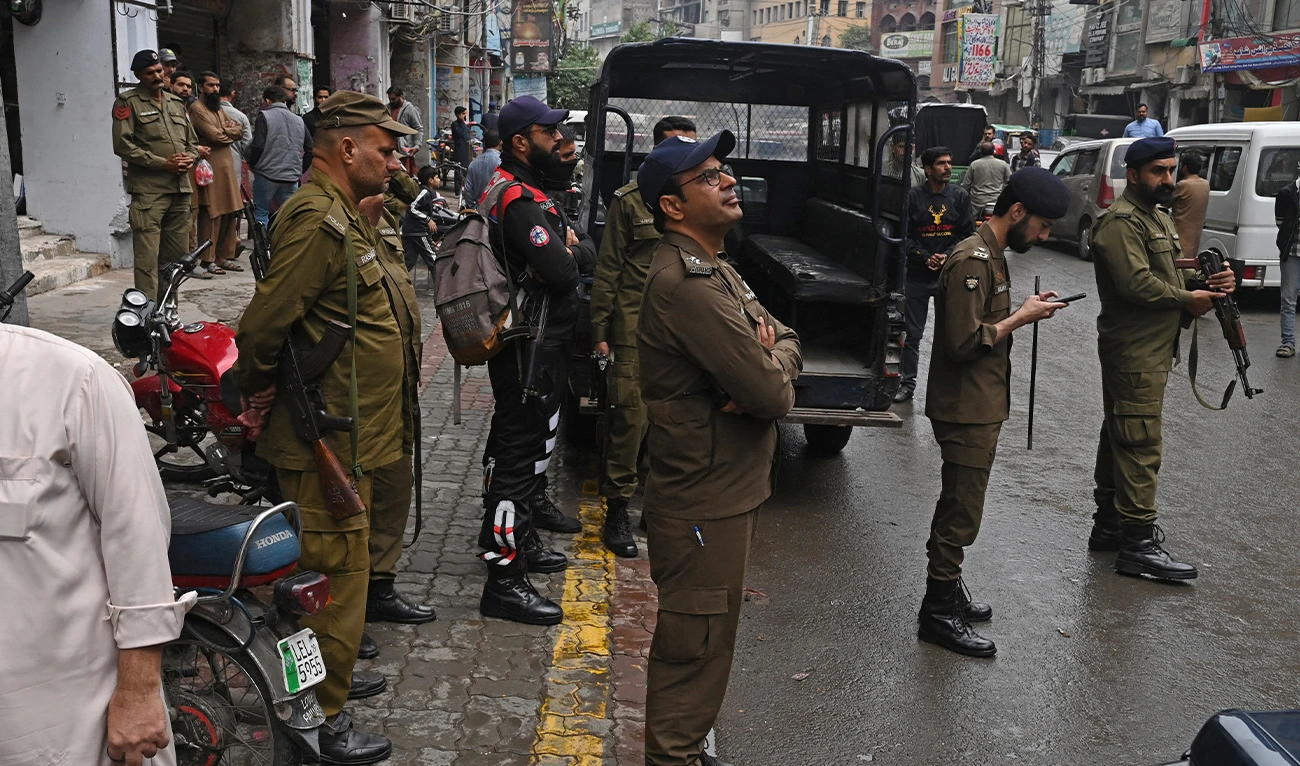
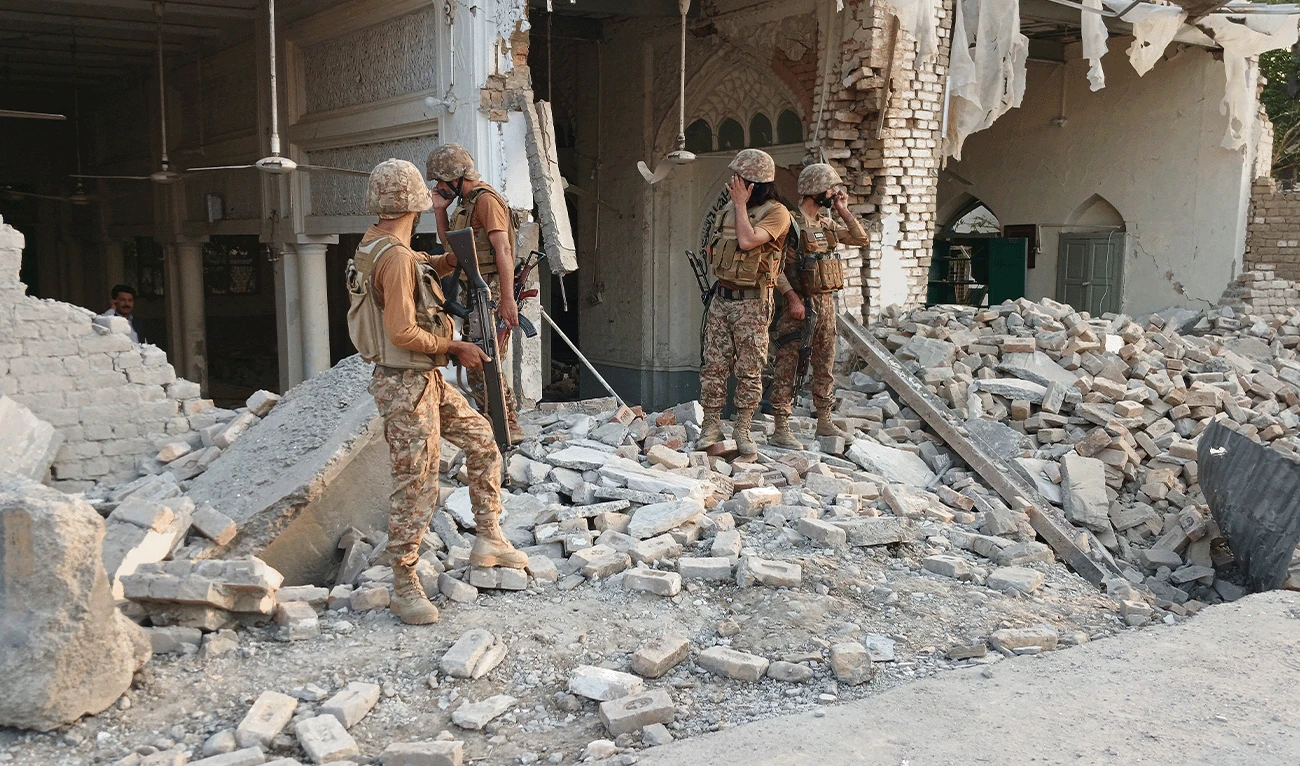
In one of the deadliest recent attacks, militants struck the old Police Lines compound in Kohat on Sept. 18, killing 23 people, including 17 police personnel and six civilians. Eight attackers were killed in a clearance operation that lasted more than 20 hours.
Eight days later, an explosives-laden vehicle rammed into the Aman Mela checkpoint in Dera Ismail Khan. A police case subsequently put the toll from the attack at 14 dead and 35 wounded and named unidentified militants allegedly affiliated with two TTP factions.
The deteriorating security situation, coupled with PTI’s planned march on Islamabad, has prompted government figures in recent days to publicly discuss the possibility of imposing emergency measures or governor’s rule in Khyber Pakhtunkhwa. The ruling coalition, however, decided to first pursue negotiations with the opposition to try to defuse the confrontation.
Those talks ended without agreement early on Sunday, leaving both the political confrontation and the dispute over how to confront militancy unresolved.