Saudi Arabia embraces technology to deliver effective Hajj experience to pilgrims

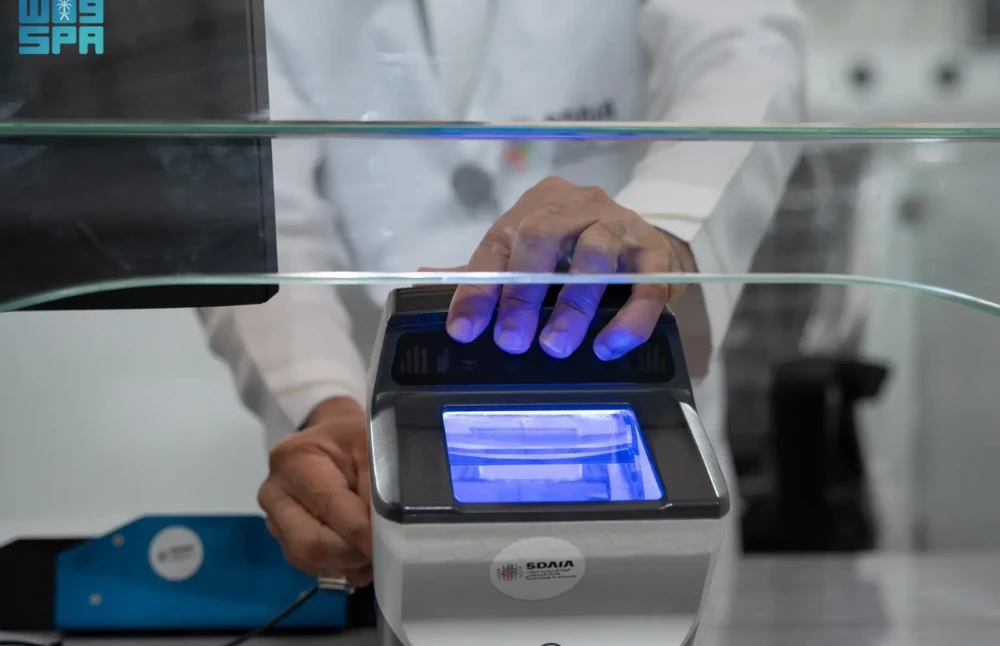
The SDAIA has deployed advanced data and AI technologies to streamline the entry process for Hajj pilgrims. (SPA)
Short Url
Updated 13 June 2024
Follow

Saudi Arabia embraces technology to deliver effective Hajj experience to pilgrims

  • SDAIA’s efforts during the Hajj season focus on providing data-driven capabilities and predictive analytics
  • Technologies have been leveraged to support government agencies working in Hajj

RIYADH: The Saudi Authority for Data and Artificial Intelligence has deployed advanced data and AI technologies to streamline the entry process for Hajj pilgrims.

The SDAIA has this year equipped 14 entry points across the Kingdom — including airports, seaports, and land borders — with the necessary technical infrastructure to ease entry procedures, the Saudi Press Agency reported.

In addition, the body is backing the Makkah Route Initiative, partnering with multiple government bodies to implement the program in seven countries worldwide.

SDAIA’s efforts during the Hajj season focus on providing data-driven capabilities and predictive analytics, enhanced through continuous innovation in AI.

These technologies have been leveraged to support government agencies working in Hajj. The body has deployed a national technical team to secure communication circuits and ensure uninterrupted service in the regions of Makkah, Madinah, the Eastern Province, Tabuk, Al-Jouf, the Northern Borders, and Najran.

The SDAIA team is providing its services at various entry points, including King Abdulaziz International Airport in Jeddah, Jeddah Islamic Port, Taif Airport, Prince Mohammad bin Abdulaziz International Airport in Madinah, the Empty Quarter, Al-Batha, Salwa, Ar Ruqi, King Fahd Causeway, Halat Ammar, Neom Port in the Tabuk region, Jadidah Arar in the Northern Borders region, Al-Haditha in the Al-Jouf region, and Al-Wadiah in the Najran region.

The SDAIA is providing technical support to border crossing points, sorting sites, and security control centers through the National Information Center, according to the SPA.

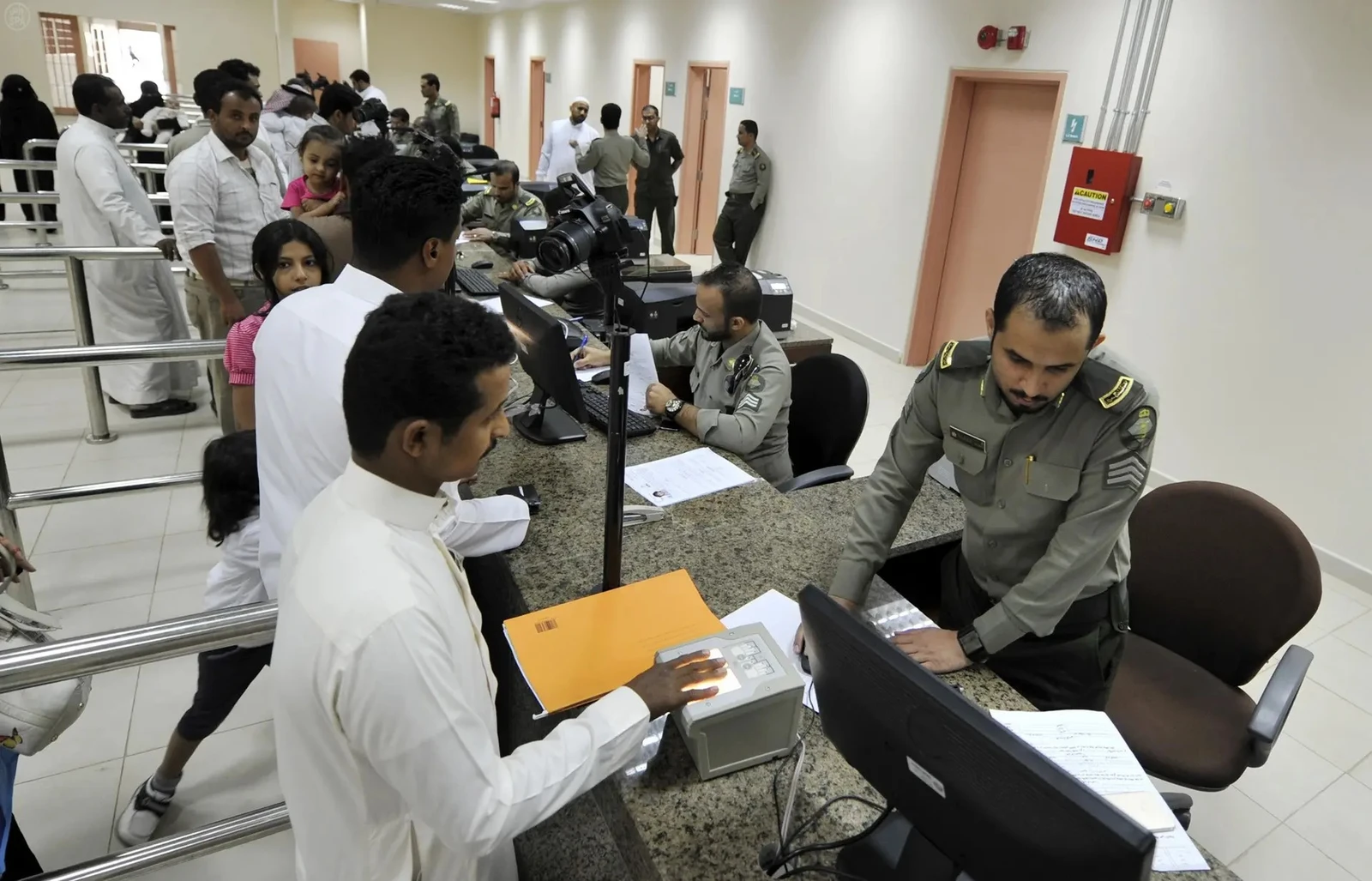
It operates in 78 locations in the holy sites, offering systems, services, and technical products while enhancing integration with other government agencies. This integration ensures the availability of pilgrims’ data before their arrival, reducing the time required for entry registration.

The SDAIA has set up a round-the-clock technical support center to handle reports and resolve issues for various sectors during Hajj. Mobile technical kits have been deployed to ensure swift response to problems at all entry points and preventive maintenance has been carried out on workstations and network devices at Hajj terminals.

The SDAIA has also overseen the infrastructure and data rooms in the reception halls for pilgrims. Additionally, biometric capture and registration stations have been established at border points, with devices prepared, programmed, and equipped with the approved software. Personnel from participating sectors have also received training on the new systems and updates.

The organization has introduced Banan, a mobile device that enables identity verification services through biometric data for agencies working in the field.

The SDAIA has also developed the Sawaher and Baseer platforms to help manage crowd sizes effectively at various Hajj sites. These platforms ensure each location does not get overcrowded, promoting a safer and smoother experience for pilgrims.

The authority has integrated many pilgrim services into the Tawakkalna app. Pilgrims can now manage everything from Manasik Gate procedures to displaying their pilgrim cards, and entry permits for vehicles and personnel working on Hajj, in collaboration with Public Security.

Additionally, the platform offers the Rescue Me service and features such as the digital Qur’an, prayer times, and qibla direction.
Jeddah students get closer look at electric motorsport

Updated 24 January 2026
Follow

Jeddah students get closer look at electric motorsport

  • A PIF-linked initiative highlights technical and engineering careers behind electric racing events

JEDDAH: Students from local and international schools in Jeddah were introduced to STEM-related career pathways in electric motorsport this week, as part of an education program linked to the UIM E1 World Championship held on the Red Sea.

The sessions formed part of Driving Force Presented by the Public Investment Fund, an initiative run by Formula E and its electric racing series partners, to familiarize students aged eight to 18 with science, technology, engineering and mathematics through electric racing and sustainability-focused industries.

The sessions for students formed part of Driving Force Presented by the Public Investment Fund, an initiative run by Formula E and its electric racing series partners. (Supplied)

The programme took place alongside the 2026 E1 Jeddah GP and included workshops, school visits and trackside access designed to show how engineering, data, broadcast technology and event operations function within professional motorsport.

According to organisers, the initiative reached more than 60,000 students globally in 2025, with further expansion planned this year. 

HIGHLIGHTS

• The program took place alongside the 2026 E1 Jeddah GP and included workshops, school visits and trackside access.

• Students learned about E1 races and their technical and environmental dimensions and discussed the engineering and marine aspects of electric boats.

• According to organisers, the initiative reached more than 60,000 students globally in 2025, with further expansion planned this year. 

John Williams, managing director at E1, told Arab News: “The PIF is absolutely vital to everything we do here at the E1. They were crucial initial investment partner since the start of the championship and they continue to support us in a number of ways and more specifically around the Driving Force program.”

The sessions for students formed part of Driving Force Presented by the Public Investment Fund, an initiative run by Formula E and its electric racing series partners. (Supplied)

Elaborating more on the program, he said: “What we are doing is presenting and showing these students the available careers of science, technology, engineering and mathematics, as well as careers in sports, not only pilots but also engineers and mechanics.”

Williams added that the main key to the program was bringing a new generation to the mechanism of sport.

“We are introducing to these exciting new technologies around the race but it could be our technology on the boat or our broadcast products, as well as how to manage the event its self. There are a range of opportunities to show it to the children in addition to enjoying the excitement of the race and meeting the pilots.”

The program’s Jeddah activities began at King Abdulaziz University’s faculty of maritime studies, where students took part in a hands-on workshop focused on STEM careers in the motorsport and sustainability areas conducted by technology experts and famous water pilots such as Dani Clos, Emma Kimilainen and Patricia Pita.

Students learned about E1 races and their technical and environmental dimensions and discussed the engineering and marine aspects of electric boats.

They also enjoyed exclusive behind-the-scenes access at the E1 Jeddah GP, pilot meet-and-greets, and front-row seats to watch the RaceBird boats in action.