RIYADH: Relations between the Association of Southeast Asian Nations and the Gulf Cooperation Council will be elevated by the inaugural ASEAN-GCC Summit hosted by Saudi Arabia in October, according to Malaysian Ambassador to Saudi Arabia Datuk Wan Zaidi Wan Abdullah.
“As the country coordinator for the ASEAN-GCC Summit, I wish to extend my gratitude to my ASEAN colleagues for the support rendered thus far for the preparation of the inaugural summit scheduled to be hosted by the Kingdom in October this year,” he said.
“I am confident that we can work together with the Kingdom to ensure the success of the summit. With more than 600 million (people) in the ASEAN countries, and 60 million people in the Gulf region, the summit could potentially elevate and reshape the dynamics of the ASEAN-GCC relations.”
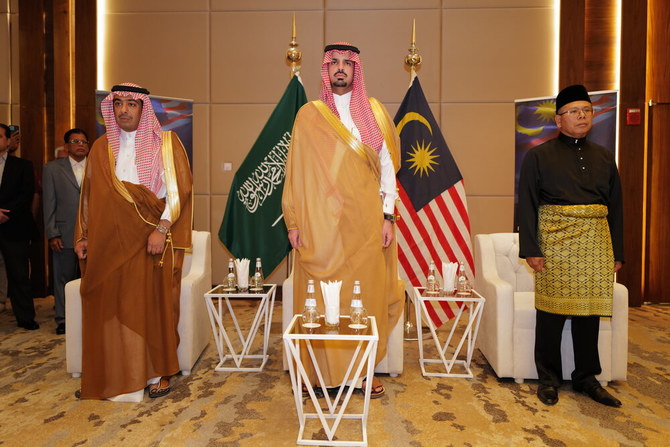
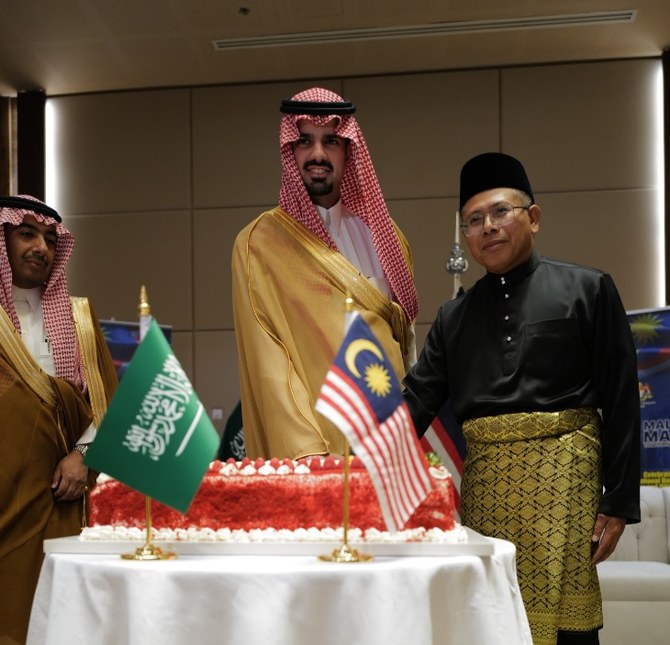
Speaking at the Malaysian National Day celebration in Riyadh on Wednesday night, the ambassador said: “It is a privilege to welcome you all to commemorate Malaysia’s National Day 2023. I am particularly honored with the presence of Prince Faisal bin Abdulaziz bin Ayyaf, mayor of Riyadh, as we celebrate 66 years of independence, progress, peace and prosperity.”
He added: “Throughout these years, Malaysia continues to pursue an independent, principled and pragmatic foreign policy, founded on the values of peace, humanity, justice, and equality. Malaysia’s foreign policy is largely influenced and shaped by three key factors, its strategic location in Southeast Asia, its attributes as a trading nation, as well as its unique multiracial demography.”
Under the leadership of new Prime Minister Dato’ Seri Anwar bin Ibrahim, Malaysia’s foreign policy approaches are now based on the concept of Malaysia Madani, or Civil Malaysia, that emphasizes good governance, sustainable development and multiracial harmony, he said.
“Malaysia will continue to uphold the principles of engagement and cooperation, and the concept of peaceful co-existence. Focus will also be given to climate change, digital economy, health diplomacy, cybersecurity, and sustainable development, to name a few,” Wan Abdullah said.
“Saudi Arabia enjoys a special status in the context of Malaysia’s bilateral ties with countries in the West Asia region. The Kingdom was one of the countries that sent representatives to Malaysia during its proclamation of independence on Aug. 31, 1957. I can proudly say that the relations between the two countries have progressed tremendously and it has always been a special one.
“This is evidenced by the fact that in less than a year since I assumed my responsibility as the ambassador here, I have witnessed the presence of the king of Malaysia, the prime minister, two deputy prime ministers, (the) foreign minister, and the deputy foreign minister in the Kingdom. These visits are a manifestation of close friendly ties deep-rooted in a shared history, and nourished through growing economic partnership, multi-sectoral cooperation and vibrant people-to-people contact,” he added.
“To this effect, Malaysia continues work toward deepening and strengthening our relations with the Kingdom to a far greater extent by exploring many other possible areas of cooperation, along with the Saudi Vision 2030.”
Saudi Arabia is Malaysia’s largest trading partner among the West Asian countries. “The total bilateral trade between the two countries in 2022 was recorded at $10.26 billion, an increase of 159.2 percent from 2021,” Wan Abdullah said.
The Kingdom’s prominent economic presence in Malaysia is currently led by the Saudi Aramco through the Pengerang Integrated Complex in the southern state of Johor, under a $27 billion deal with the Malaysian petroleum company PETRONAS.
Other Saudi key players in Malaysia are Al-Rajhi Bank and a 25 percent stake owned by Saudi Telecom Co. in Maxis Berhad.
“I am also pleased to share that both Malaysia and Saudi Arabia have explored military-to-military cooperation,” said Wan Abdullah.
“Officials from both countries have benefitted from various training programs in security and intelligence matters conducted by both sides through technical cooperation programs. I had the privilege of visiting the Islamic Military Counter Terrorism Coalition Center last month where we agreed on further collaboration, strategic initiatives in combating terrorism.”
Among the remarkable progress in bilateral relations this year was the signing of a memorandum of cooperation between the Department of Islamic Development Malaysia, or JAKIM, and the Saudi Food and Drug Authority last May, on mutual recognition of halal certificates for local products.
Through this MoC, goods and products manufactured in Malaysia and Saudi Arabia that have the certificates issued by both the SFDA’s Saudi Halal Center and JAKIM are now mutually recognized.
In education, Malaysia has been a good host for a growing number of students from the Saudi Arabia.
“I would also like to take this opportunity to appreciate the Kingdom for the newly increased number of scholarships granted to Malaysian students annually, from 300 to 700, to further their education in the Kingdom under King Salman’s scholarship program,” said Wan Abdullah.


![]()
![]()

ASEAN-GCC Summit will reshape dynamics of our relations, says Malaysian envoy
Short Url
https://arab.news/5rzrg
ASEAN-GCC Summit will reshape dynamics of our relations, says Malaysian envoy
- “I am confident that we can work together with the Kingdom to ensure the success of the summit,” said Malaysian Ambassador to Saudi Arabia Datuk Wan Zaidi Wan Abdullah
- Saudi Arabia is Malaysia’s largest trading partner among the West Asian countries


Latest updates


© 2026 SAUDI RESEARCH & PUBLISHING COMPANY, All Rights Reserved And subject to Terms of Use Agreement.