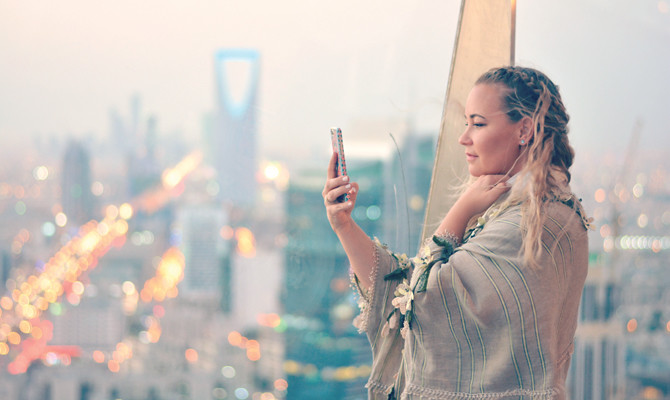


JEDDAH: As part of Saudi Arabia’s Vision 2030, tourist and heritage sites will be developed to encourage visitors from around the world. This is good news for Laura Alho, a travel writer and photographer who is said to be the first person to start promoting Saudi tourism to the outside world.
Alho is a Finnish woman who came to Riyadh 10 years ago, exploring Saudi Arabia’s rich heritage ever since. She was attracted by the culture and history of the region.
She started her “Blue Abaya — Explore Arabia” blog in 2010 because she noticed a lack of channels informing people about things to do and where to travel in Saudi Arabia.
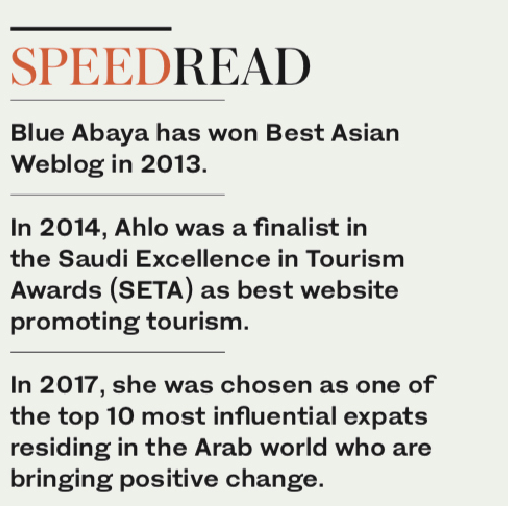 “I was just so positively surprised about all the amazing places I kept finding around Riyadh and also tired of hearing the negative comments about the country, that I decided the least I could do was to show people that it is not a bad place to live in.”
“The name Blue Abaya came from wanting to combine something from my country, Finland, in the blue color of our flag, with something from Saudi Arabia. Back then we didn’t have nearly as much going on in terms of events (concerts were non-existent) but I still I wanted to get the word out and help people to enjoy their time in Saudi Arabia as much as possible,” she said.
“Another aim for the blog was to show the outside world what life in Saudi Arabia is really like and to showcase the beautiful places to visit in KSA. What I kept seeing in the mainstream media was mostly negative, blown-out-of-proportion or false info about KSA. I think the country gets an unfair portrayal in the media and that motivated me to try to show the positive sides.”
She added: “I am proud to say I have changed thousands of people’s false perceptions about Saudi Arabia. I have received so many e-mails all these years from people wanting to visit the country after being inspired by my photography and reading my travel stories.”
The website has gathered millions of views from all over the world and to this day the website and all the 11 different social media channels that Alho handles alone, keep people informed about the hidden gems of Saudi Arabia and the latest events and developments.
Alho has two children, who have already traveled to 11 of the 13 provinces of Saudi Arabia despite their young age. She started blogging as a hobby but slowly travel writing became a full-time job and Alho has visited all of Saudi Arabia’s provinces now. “I’ve written guidebooks and travel guides about Saudi Arabia for eight years. My hard work has paid off and has had a huge impact on the expat community. Some places have become famous through my posts, like the Edge of the World in Riyadh, which is no longer an unknown place like it was 6 years ago,” she said.
Alho told Arab News that the most rewarding part about her journey in Saudi Arabia has been “all the awesome feedback I get from expatriates who told me how reading my articles made them decide to move to Saudi Arabia, or how my blog helped them make a more meaningful and fun time while they are living here. I’m also thrilled to hear from my Saudi followers who have rediscovered their country and have shared my posts on social media and visited some of the places they only knew existed by reading my site.”
With the new objective of opening up Saudi Arabia to more international tourists, Alho says more effort needs to be placed into developing the tour guide industry. “Currently one of the major challenges I’ve noticed throughout my travels in Saudi Arabia is the limited number of English-speaking tour guides specializing in accommodating to the tastes of international tourists.”
She added about the challenges she has faced with some tour guides in Saudi Arabia: “A great tour guide would always tell the truth to the tourists and not try to make up stories to cover up their mistakes. They should describe the places truthfully and not sugar-coat or give misleading information. Honesty is the best policy.”
Alho said that a lot of tourists understand that the country is still in the first stages of welcoming tourists, so not all facilities are there or function properly. A great tour guide also learns something about the guests’ home countries and culture in advance and shares interesting details about Saudi culture. “I think with the upcoming women driving, the tour guide industry will get a breath of fresh air with the work of dedicated and hardworking Saudi female tour guides coming to the field.”
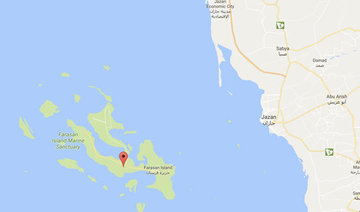
 Alho said Farasan Islands is one of her most favorite places in Saudi Arabia. “I visited these islands for the first time in 2008. What I love most about this destination and what makes it so unique is the authentic ‘island-life’ feel of the place. The beaches, of course, are gorgeous and you can visit deserted islands and be the only people there.”
Farasan’s remarkable history goes back millions of years. It is theorized that people took this route out of Africa when the water levels were significantly lower than today. Another favorite is Al-Baha region, with its lakes, waterfalls, and mountains and also a rich history and the stunning Dhee Ayn “Marble Village.”
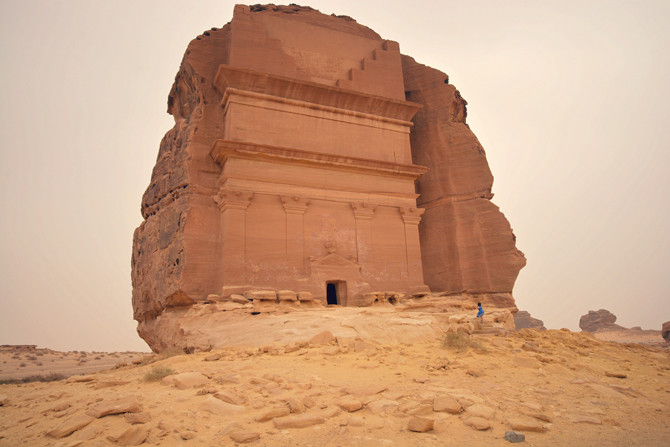
“Tabuk province has endless opportunities for exploring in the desert, there are fantastic landscapes equal to Wadi Rum of Jordan, mountainscapes like Jebel Lawz, canyons like Tayeb Esm, natural Springs of Moses by the Red Sea, Nabatean tombs, old railways and pilgrimage route sites, rock carvings and majestic valleys such as Wadi Deesah. Not to forget world-class diving locations and pristine islands along the Red Sea coast.”
Alho said she faces endless challenges touring sites, but it doesn’t stop her from trying to visit and telling her readers about her findings. “Finding reliable, up-to-date information is very difficult; it’s especially challenging to find out opening hours. In rural areas there is a lack of service-minded staff in service sector and it’s hard to find good quality furnished apartments and hotels, especially in the smaller cities. However, I’ve witnessed great improvements in this field the past few years, there’s a positive change in all service providers throughout the Kingdom.
“Despite some challenges when traveling on my own in Saudi Arabia, it won’t stop me from going to new places. There is always a new beautiful location to be discovered and it makes it worth the while.
“The best experiences come when meeting the locals. They are very friendly and welcoming and always willing to help. I’ve found the most hospitable Saudis in the north, Al-Jouf, Hail, and Al-Qassim. They know how to take hospitality to another level.”