MONTREAL: Quebec, facing criticism over a new law that prohibits people wearing face coverings from getting government services in the Canadian province, on Tuesday said it would only apply in certain cases and will not limit access to emergency services.
The mainly French-speaking province last week passed the law which does not specify which face coverings are prohibited but has largely focused debate on the niqab worn by some Muslim women, which covers everything but the eyes.
People affected by the law would include public-sector employees such as teachers, police officers, hospital and daycare workers and those dealing with them.
Quebec’s Justice Minister Stephanie Vallee said the province wants to ensure accurate identification and better communication and public safety.
Vallee said women would have to remove their veils when necessary for identification but not for the entirety of a transit ride or other public service. She said no-one would be denied emergency medical care, even if they refused to unveil.
“These are common-sense rules,” Vallee told reporters in Quebec City.
Vallee’s remarks come amid continuing protests against the law, including from Muslim groups and rights advocates. Canadian Prime Minister Justin Trudeau has said the government has no place dictating what women wear but stopped short of saying Ottawa would challenge the law.
Vallee said those who refused to uncover their faces for religious reasons can apply for accommodation on religious grounds, although it was not immediately clear what that would entail.
Right-wing extremist groups and some local French-speaking media in recent years have targeted Quebec’s Muslims as part of a broader debate on the accommodation of religious and cultural minorities in the province.
Incidents of Islamophobia have increased in Quebec in recent years. In January, six people were killed in a shooting at a Quebec City mosque. A French-Canadian university student has been charged as the sole suspect.


![]()
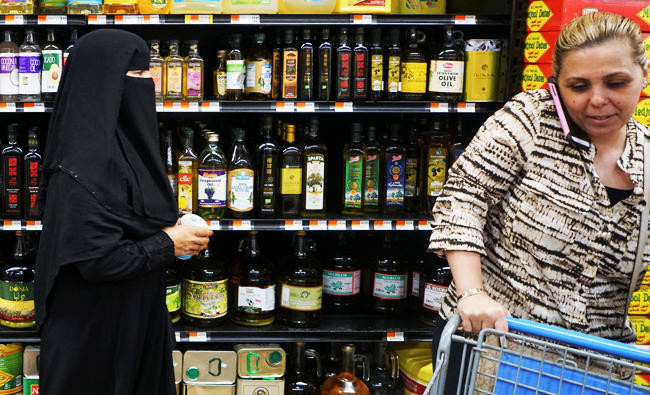
Canada’s Quebec clarifies niqab ban in face of criticism
Canada’s Quebec clarifies niqab ban in face of criticism



Latest updates


© 2026 SAUDI RESEARCH & PUBLISHING COMPANY, All Rights Reserved And subject to Terms of Use Agreement.