- Samir Geagea accused Hezbollah of prolonging Israel’s military presence in southern Lebanon by refusing to disarm
- Hezbollah leader Naim Qassem said on Sunday that the group would not surrender its weapons, blaming Israel for Lebanon’s crisis
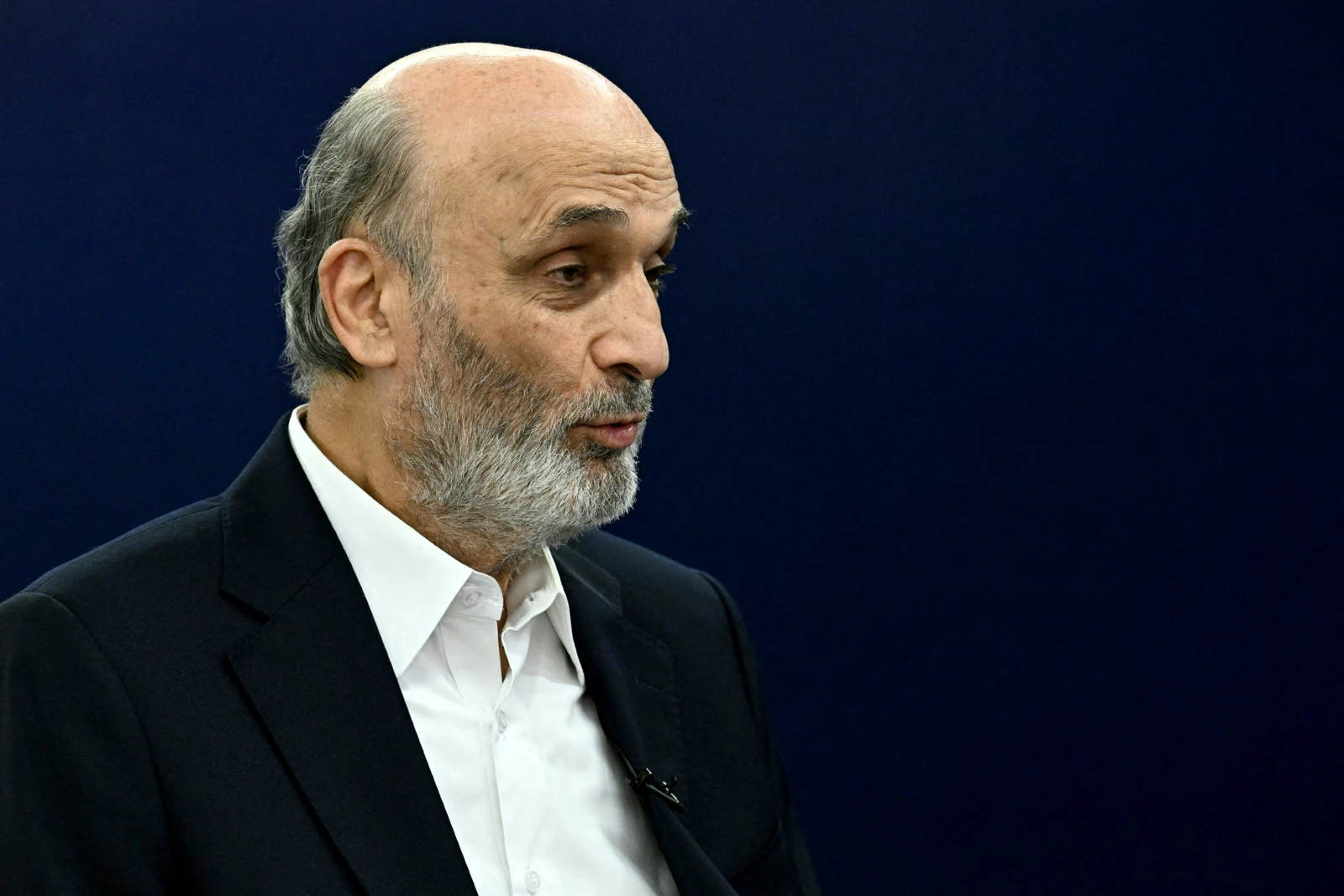
LONDON: Lebanese Forces leader Samir Geagea accused Hezbollah on Monday of helping prolong Israel’s military presence in south Lebanon, saying the group’s refusal to disarm had prevented the Lebanese state from securing an Israeli withdrawal.
Geagea made the comments in a statement responding to remarks by Hezbollah leader Naim Qassem, who said the group would not surrender its weapons and blamed Israel for Lebanon’s crisis.
However, Geagea pointed the blame at Hezbollah’s arsenal of weapons. “Your resistance has produced the opposite of what you claim, by bringing Israel to occupy the south and prompting the entire world to remain silent about that occupation because of your blatant role,” he said.
On Sunday, Qassem spoke to supporters in Dahiyeh, Beirut’s southern suburbs, at an event marking two years since the killing of Hezbollah’s longtime leader, Hassan Nasrallah.
He accused Lebanese authorities of “helping the Israeli-US project instead of confronting it” through a US-brokered framework agreement signed in June that calls for Hezbollah’s disarmament and a phased Israeli withdrawal.
Hezbollah, which is backed by Iran, has said it will not discuss relinquishing its weapons until Israeli forces leave Lebanese territory, displaced residents return to their homes and prisoners are released.
Geagea said Qassem’s position was intended to justify retaining Hezbollah’s arsenal.
“We are the first not to accept surrender,” he said. “But rejecting surrender does not mean giving Israel, the world and Lebanon’s friends every kind of justification to keep Israel in Lebanon.”
He added that Hezbollah’s weapons served Iranian interests more than Lebanon’s defense and argued that the Lebanese state and not an armed nonstate group should lead efforts to confront Israel and recover occupied territory.
“The party that is actually helping the Israeli project is your military and security presence outside the national consensus and the logic of the state, and against Arab and international will,” Geagea said.
Lebanese authorities, after a November 2024 ceasefire, committed to disarming Hezbollah and later banned the group’s military activities. But implementation has stalled amid disagreements over sequencing and continued Israeli military operations.
Lebanese officials have said that Israel’s continued airstrikes and its retention of positions inside Lebanese territory have complicated army deployments and wider efforts to extend state authority in the south.
President Joseph Aoun said in July that Israel’s continuing occupation of parts of southern Lebanon was preventing the Lebanese army from deploying as envisioned under the June framework agreement.
The accord provides for a gradual Israeli military withdrawal followed by the phased deployment of Lebanese forces, including in designated pilot zones.
Israel has maintained attacks in Lebanon and kept troops in what it describes as a “security zone” extending about 10 km into southern Lebanon. Israeli officials have said forces will remain as long as Hezbollah is considered a threat.
On Sunday, Israel’s far-right finance minister, Bezalel Smotrich, called for annexing territory in southern Lebanon under Israeli military control “as far as the Litani River,” about 30 km from the border.
Qassem said Hezbollah did not seek to hold territory and remained open to dialogue, but he insisted that Israel must withdraw first. “We are ready for dialogue and discussion, but first, liberate the south and let the people return,” he said.
The Hezbollah chief also said Israel had failed to “break” Hezbollah, despite what he described as extensive losses and sacrifices by the group. Israel this month carried out major detonations targeting Hezbollah infrastructure on the strategic Ali Al-Taher Ridge.