- The shutdown resulted in a reduction of crude output by an average of 14,418 barrels per day, leading to daily revenue losses of approximately $1.47 million
- Oil accounts for about 90% of Libya's economy, making the sector critical for government revenues and the country's economic recovery
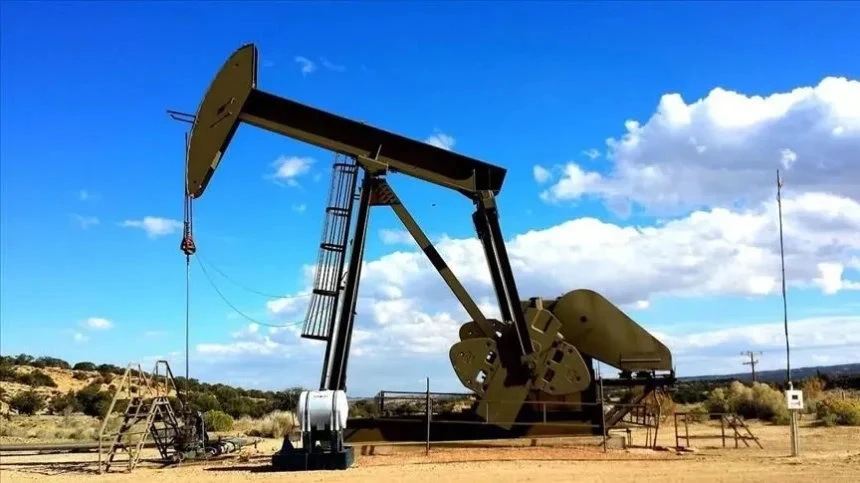
TRIPOLI: Libya has lost more than $30.8 million in oil revenue after an armed group forcibly shut the Hamada oil pipeline for more than 20 days, disrupting the transportation of more than 302,000 barrels of crude, the National Oil Corporation said Saturday.
The NOC said the shutdown had reduced crude output by an average of 14,418 barrels per day, resulting in daily revenue losses of approximately $1.47 million. Total losses reached 302,778 barrels, valued at $30.79 million based on average crude prices.
The losses also include fixed operating costs at affected Arabian Gulf Oil Company fields, including Hamada, NC5, NC8 and Tahara (NC4), the corporation said.
The NOC condemned attacks on oil infrastructure, warning that they were causing material and reputational damage to Libya’s energy sector, undermining efforts to restore international energy companies’ confidence and increase production capacity.
It said the disruptions were also damaging the country’s economy, hindering development efforts and threatening the operation of state institutions.
The corporation called on relevant authorities to intensify efforts to reopen the pipeline valve and prevent further attacks on oil facilities, stressing the need to safeguard national resources and ensure uninterrupted production.
The Hamada pipeline is a key link in Libya’s oil transportation network, connecting the Hamada oilfields to the Zawiya refinery, the country’s largest, which has a processing capacity of 120,000 barrels per day.
The pipeline shutdown comes amid recurring disruptions to Libya’s oil infrastructure. On Oct. 31, an armed group shut a valve on the main Hamada crude pipeline, halting flows to Zawiya and marking the second interruption of oil supplies to the refinery that month.
At the time, the NOC warned that the closure could result in the loss of about 15,000 barrels of crude daily and urged the Petroleum Facilities Guard, responsible for securing oil installations, to help reopen the valve.
The Zawiya refinery is connected to the Sharara oilfield, which has a production capacity of about 300,000 barrels per day. On Sept. 26, the NOC also announced the forced shutdown of a refining unit at Zawiya following the closure of a valve on the Sharara crude pipeline.
Libya’s oil production has repeatedly been disrupted by political disputes, security incidents and technical problems since the 2011 uprising that toppled longtime ruler Muammar Qaddafi.
Oil is the country’s main economic resource, accounting for approximately 90 percent of its economy. Libya holds Africa’s largest proven crude oil reserves, making the sector critical to government revenues and efforts to rebuild the country’s economy.