- World Food Programme’s executive director, Luke Lindberg, tells Security Council 10m tonnes of Russian and Ukrainian wheat might not reach world markets this year
- ‘Grain is available but it is not reaching the people who need it,’ he says as he calls for ‘practical, rapid action to get food moving again through a strictly humanitarian mechanism’
NEW YORK CITY: Disruptions to maritime traffic in three of the world’s busiest shipping choke points, the Strait of Hormuz, Bab Al-Mandab Strait and the Black Sea, are pushing up the prices of food and fertilizer, the head of the UN’s World Food Programme told the Security Council on Monday.
This is putting countries such as Yemen, which imports 90 percent of the food it requires, at growing risk, he added.
Luke Lindberg, the agency’s executive director, said about 30 percent of global fertilizer supplies passed through Hormuz, and the ongoing disruption there as a result of the conflict between the US and Iran could shrink future harvests far beyond the Gulf region.
Conflicts, El Nino climate effects and the pressure on the shipping lanes together pushed the Food and Agriculture Organization’s Food Price Index close to a four-year high in September, he added, and the price of wheat is almost 10 percent higher than it was in January.
He shared the experiences of Samia, a Sudanese mother-of-five who fled fighting in war-torn Darfur and was struggling to feed her children, as basic dietary requirements in Sudan now cost 130 percent more than they did in February. Parts of Sudan, South Sudan and Somalia were at risk of famine, he added, and 266 million people worldwide faced acute hunger.
Disruptions to shipping in the Black Sea were adding to the misery by cutting off the grain supplies those countries depended on, Lindberg said, and about 10 million tonnes of Russian and Ukrainian wheat — enough to feed 44 million people — might not reach world markets this year.
“This is not a problem of production, it is a political problem,” he told the 15-member Security Council. “Grain is available but it is not reaching the people who need it.”
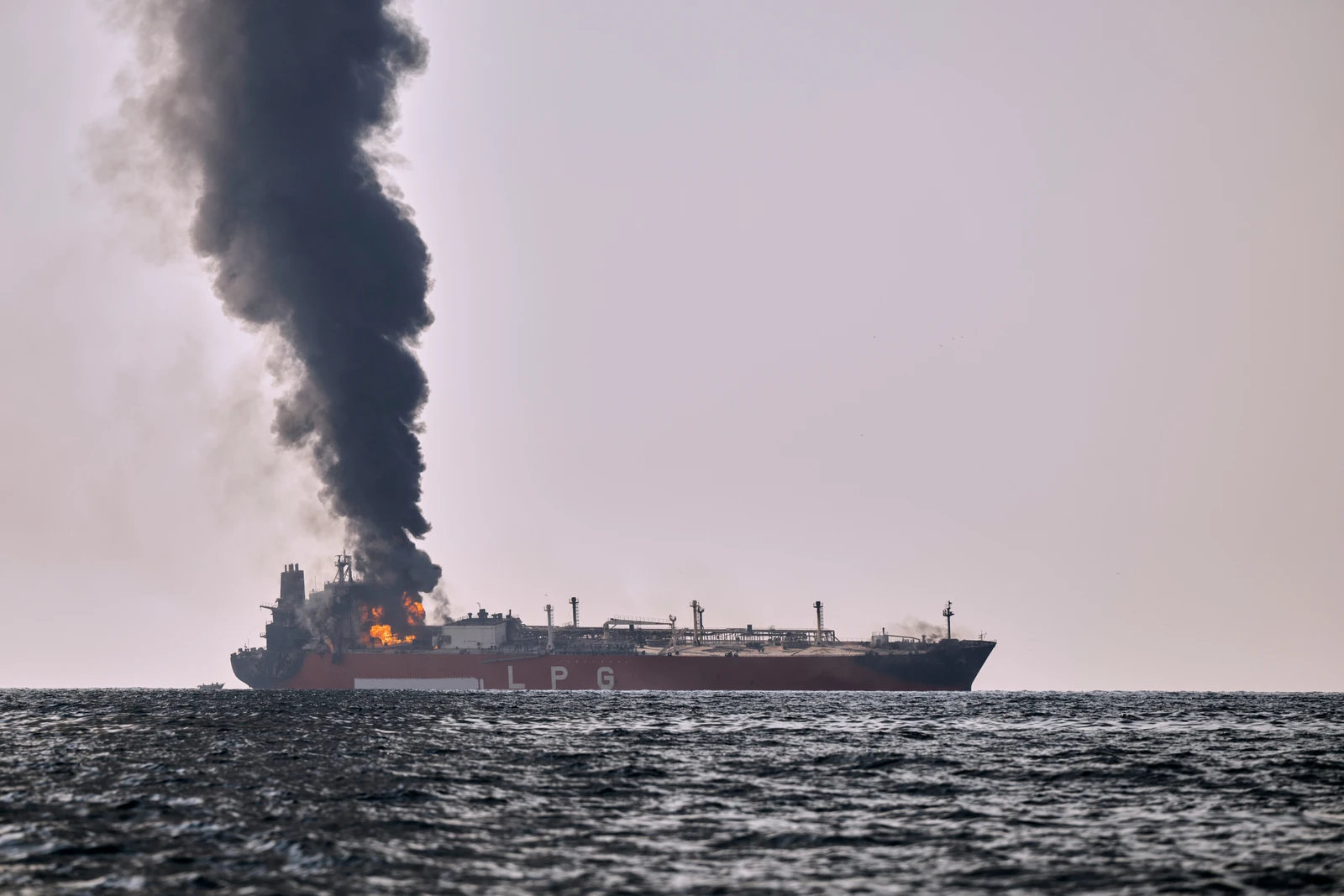
Grain silos in Ukraine and Poland were full. Yet by mid-October, the number of ships passing through the Bosphorus carrying wheat and maize was 63 percent lower than during the same period 12 months ago. Lindberg described the Black Sea as “the deadliest maritime route in 2026,” with more than 300 recorded attacks and at least 40 people killed.
“We need practical, rapid action to get food moving again through a strictly humanitarian mechanism,” he said. Food “must not be collateral of war,” and those delivering it “must be safe from harm.”
He set out three red lines for the council to set: “No more famines, no more weaponization of food and no more attacks on humanitarians.”
Rising costs were also affecting the agency; if current trends continued, it was likely to face $727 million in extra costs by mid-2027, Lindberg warned. That could put assistance for 7.3 million people at risk.
Before Russia’s full-scale invasion of Ukraine in 2022, about a third of the world’s grain exports passed through the Black Sea, and Ukraine was responsible 10 percent of global wheat exports and 15 percent of corn.
With most Ukrainian ports disrupted, however, Kyiv has turned to alternative routes for exporting its grain to markets in Africa and the Middle East. The UN and Turkiye brokered the Black Sea Grain Initiative in July 2022 to keep shipments moving, but Moscow withdrew from the agreement a year later.
Attacks escalated this summer. Russian strikes on cargo ships and export infrastructure have largely suspended traffic through Ukraine’s Black Sea ports, which previously handled about 90 percent of its agricultural exports, while Ukrainian attacks on Russian ports have forced Moscow to suspend exports from its high-capacity grain terminals.
Turkish officials reportedly proposed a moratorium on the targeting of commercial shipping in the Black Sea, but the attacks have continued.
Lindberg is a former US agriculture official. He was nominated to take charge of the UN food agency in April and took office in late October, succeeding Cindy McCain.