- FoodAg Pakistan 2026 itinerary lists Saudi participants from Riyadh and Jeddah, alongside delegates from Iraq, Jordan, Egypt and Türkiye
- Organizers report 2,000 meetings between Pakistani exhibitors, international buyers on opening day, more talks scheduled through Thursday
KARACHI: Pakistan opened its flagship food and agriculture trade show, FoodAg Pakistan 2026, in Karachi on Monday, with organizers reporting 820 international delegates from 72 countries and travel itineraries listing participants from all six Gulf Cooperation Council states.
The four-day exhibition comes as Pakistan looks to expand food sales to the Gulf after regional conflict disrupted shipping. Pakistan and Saudi Arabia agreed in August to work toward raising Pakistani food and agricultural exports to the Kingdom to $3 billion over two years, identifying rice, red meat and fruit among the products with room for growth.
The Nov. 22 itinerary lists Saudi participants from Riyadh and Jeddah, alongside delegates from the United Arab Emirates, Qatar, Kuwait, Oman and Bahrain. Iraq, Jordan, Egypt and Türkiye are also represented on the list.
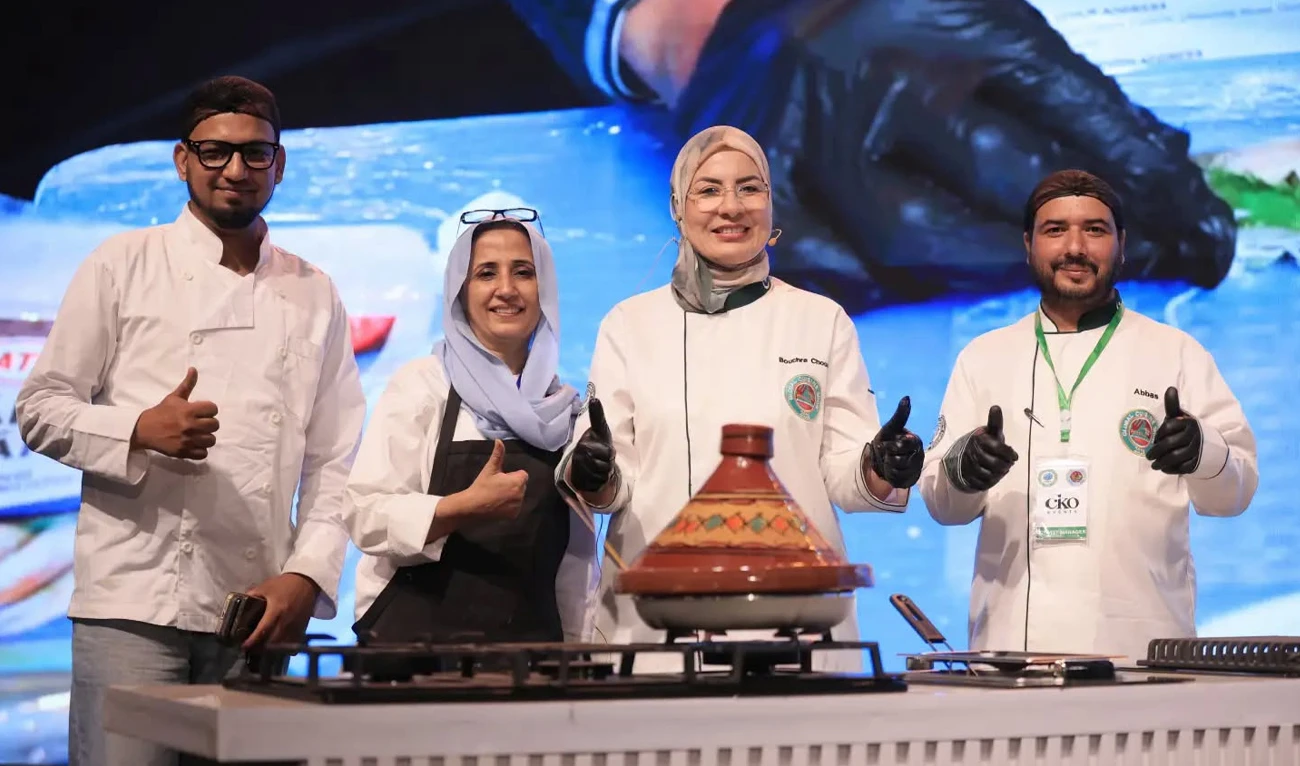
About 400 Pakistani exhibitors are showcasing products including rice, meat, poultry, dairy, seafood and processed foods at the Karachi Expo Center.
“On the opening day, 2,000 B2B meetings were held between Pakistani exhibitors and international buyers, covering sourcing requirements, product specifications and potential commercial partnerships,” organizers said in a statement, adding that follow-up meetings were scheduled through Thursday.
Saudi Arabia relies on imports to meet about 80 percent of its food demand, according to the US Department of Agriculture. Pakistan already supplies the Kingdom with rice, shipping about 169,000 metric tons worth $163 million in 2025, according to the Saudi agriculture ministry. The August agreement also identified fruit concentrates and animal fodder as areas for expanding trade.
For Pakistan, the exhibition follows a sharp drop in food exports. The country exported $5.02 billion in food products in the fiscal year through June 2026, down about 29 percent from $7.12 billion a year earlier, according to Pakistan Bureau of Statistics data.
Food imports rose to $9.15 billion from $8.20 billion, with palm oil alone accounting for $3.79 billion. Food exports have since begun to recover, rising about 12 percent year on year to $1.24 billion in the July–September quarter.
Pakistan in March cleared 40 food items, including rice, meat, dairy and fresh produce, for shipment to Gulf markets by air and sea. Commerce Minister Jam Kamal Khan later told parliament that disruptions to sea routes had cut Pakistan’s overall exports to the six Gulf states by nearly 70 percent that month from a year earlier. Pakistan increased air freight to keep perishables such as meat moving.
Khan and Ugandan Minister of State Desire Muhooza inaugurated the exhibition. On the sidelines, Pakistani officials met delegations from Malaysia, Brazil, Uzbekistan and The Gambia to discuss halal certification, food safety and quarantine rules that affect access to overseas markets.
The opening statement gave no Gulf-specific breakdown of the buyer meetings or details of any orders from the region.