- Indonesia is the world’s largest Muslim-majority country
- It wants to highlight history of pilgrimage among Indonesians
The Indonesian government is planning to build a museum dedicated to Hajj in the country, as officials seek to highlight historical links between the holy pilgrimage and Indonesia’s nation-building efforts.
Each year, the world’s largest Muslim-majority country sends the highest number of pilgrims to perform the Hajj, one of the pillars of Islam.
The Ministry of Hajj and Umrah says the Indonesian Hajj Museum will showcase the history of the pilgrimage for Indonesians and put a spotlight on the contributions of Islamic scholars and religious leaders in the country’s struggle for independence.
“The history of Hajj in Indonesia is not solely about pilgrimage to the Holy Land. It encompasses a legacy of our struggle for independence, the exchange of knowledge, and the contribution of Islamic scholars and students in nation-building efforts,” deputy Hajj minister Dahnil Anzar Simanjuntak said in a statement.
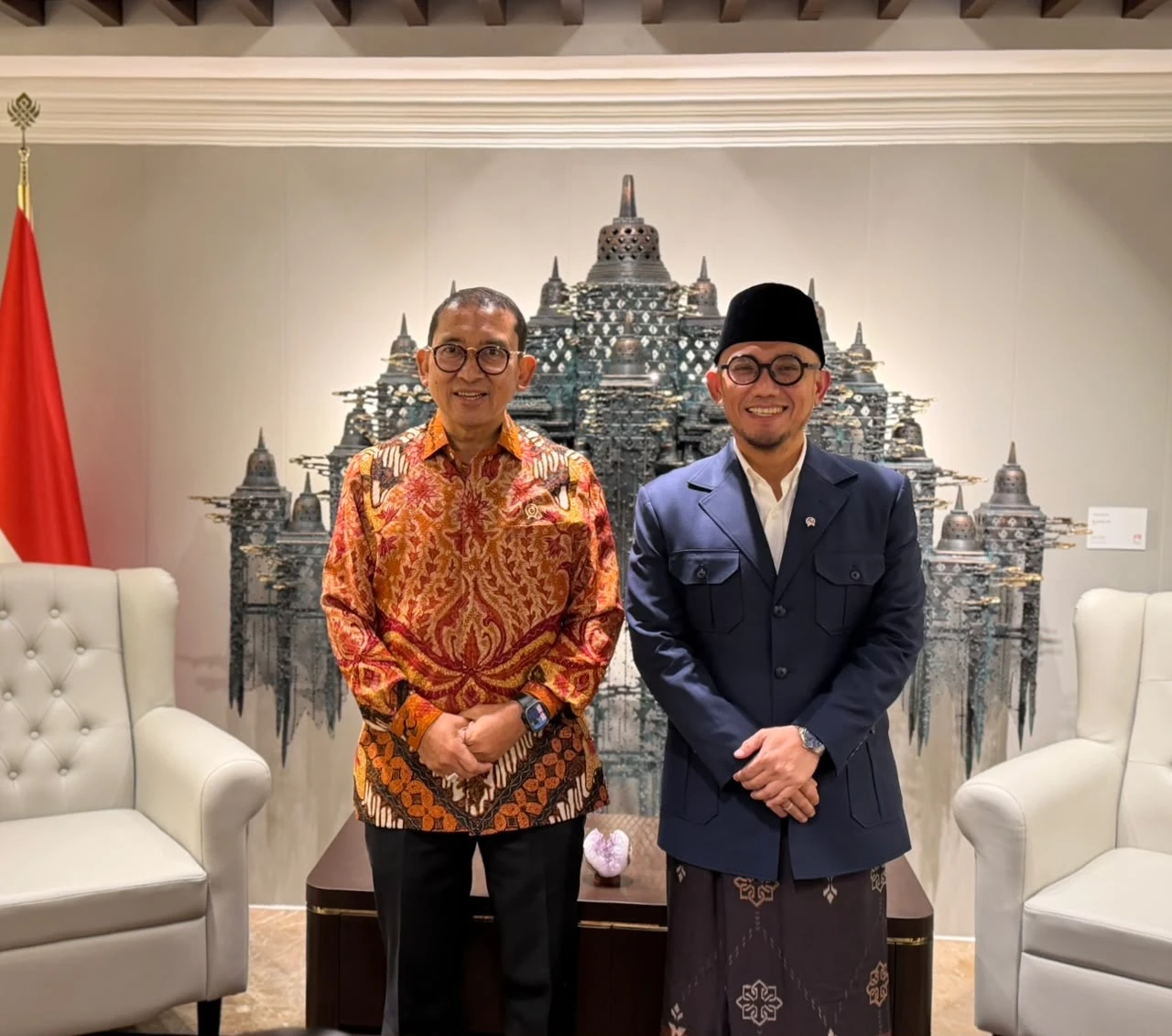
He held a meeting with Culture Minister Fadli Zon on Thursday, eyeing a ministerial collaboration that could strengthen the mission of the planned Hajj museum, as some historical notes and evidence that are related to the pilgrimage are still kept in Dutch museums.
Indonesia declared independence in 1945, after a long colonial history under Dutch rule that began at the end of the 16th century, during which many Indonesian artifacts were taken.
“In Indonesian history, the Hajj pilgrimage became a symbol of the independence movement, embodied by the Islamic scholars and students who were among the nation’s founding fathers,” Simanjuntak said on Instagram following his meeting with the culture minister, citing Indonesia’s national heroes, such as H.O.S. Tjokroaminoto, Hasyim Asy’ari and Ahmad Dahlan, who have performed the Hajj.
According to the Hajj ministry, the museum will collect and showcase archives, photographs, travel documents and artifacts that chronicle the progress of the Hajj pilgrimage over the years, as well as the lives of Indonesian Muslims throughout history.
“More than just a place to keep historical items, the Indonesian Hajj Museum has the potential to become a center for education, research and historical literacy that will be open to the public,” the ministry said.