- 2-day event, the theme for which is “New World Order, New World Thinking,” examines the challenges reshaping global security and international relations
- Specific topics include shifting balance of geopolitical power, role of private military companies, and misinformation and the decline in public trust
The importance of the Gulf region to global energy security, the growing threats to maritime infrastructure, and the role Qatar is playing in international mediation efforts took center stage on the opening day of the Future Resilience Forum in London on Monday.
The two-day event at The Pelligon in Canary Wharf, the theme for which is “New World Order, New World Thinking,” brought together political leaders, diplomats, military figures and industry experts to examine the challenges that are reshaping global security and international relations.
Specific topics covered by the discussions included the shifting balance of geopolitical power, the role of private military companies, and misinformation and the decline in public trust, as well as threats to international shipping routes, energy supplies and critical infrastructure.
Qatar’s minister of state for foreign affairs, Mohammed Al-Khulaifi, highlighted his country’s commitment to international mediation efforts and peaceful conflict resolution, describing it as a matter of both national interest and international responsibility.
He outlined in particular his country’s mediation efforts in Gaza, Colombia and Venezuela, as well as its engagement in Africa and efforts to reunite Ukrainian children with their families.
Al-Khulaifi also stressed the importance of protecting mediation efforts and the people working to secure peace.
Energy security was another central theme on the opening day, an issue addressed by Lord Browne of Madingley as he delivered the forum’s annual lecture, after which he spoke with Arab News.
“Energy is the hidden architecture for everything else,” he said, because reliable supplies were fundamental to both economic and national security.
“Without energy, there is no such thing as a stable economy, no such thing as a secure economy,” he added.
There was therefore a need for countries to build international partnerships and maintain diverse sources of energy supplies, the British peer said.
He also highlighted the importance of the Gulf region to global energy security, describing Saudi Arabia as a leading force not only in conventional resources such as oil and gas, but also in the efficient production and use of other forms of energy.
“The Kingdom is the big player, and it remains a very big player,” he said.
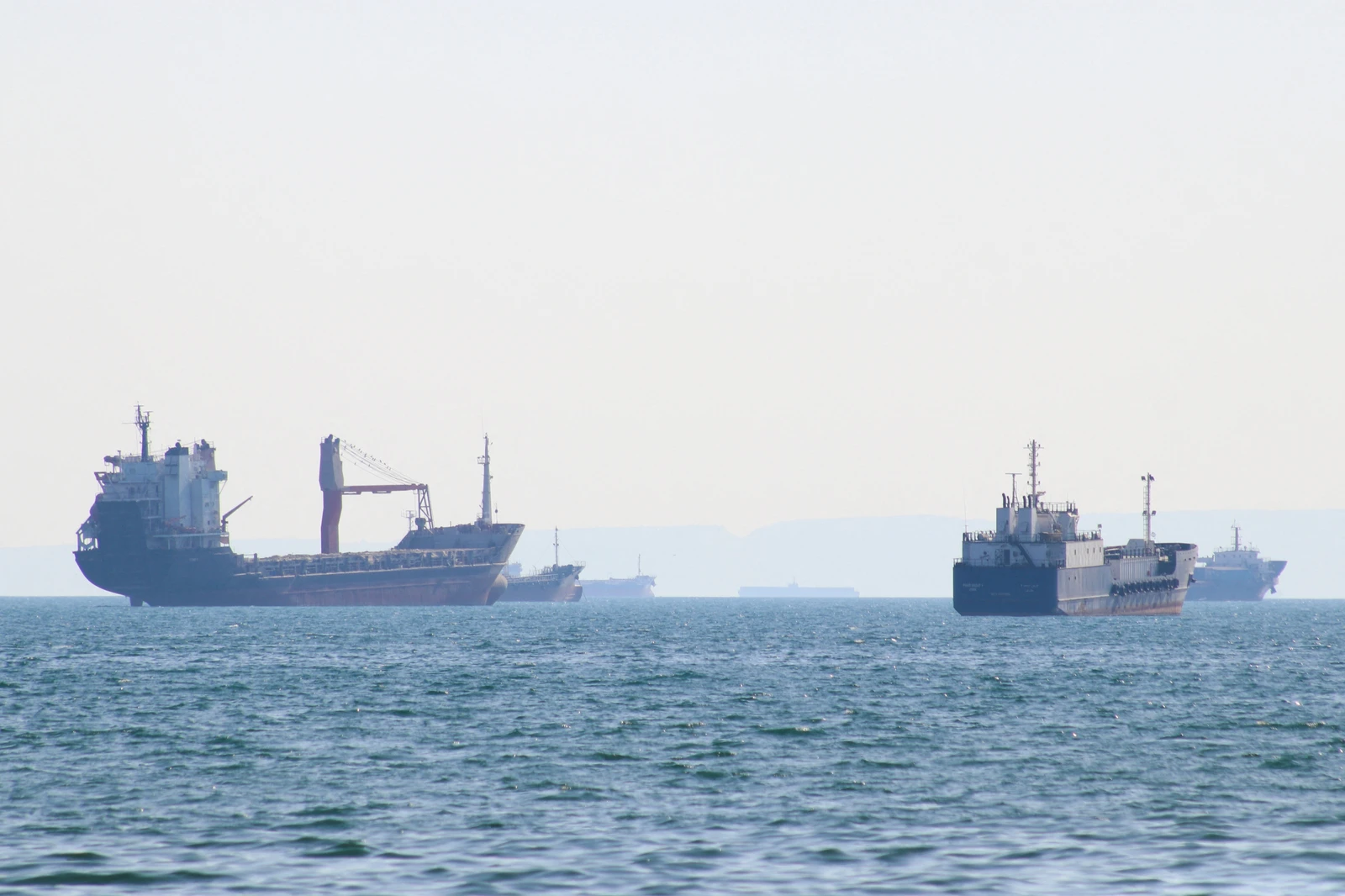
Discussions about maritime security examined the ways in which emerging technologies, artificial intelligence and uncrewed vessels were transforming the sector amid growing threats to commercial shipping routes and undersea infrastructure.
Adm. Sir Keith Blount, a recently retired Royal Navy officer, told Arab News that levels of international readiness were failing to keep pace with those threats.
We are “not as prepared as we need to be,” he said, adding that although individual countries might understand many of the risks, they did not necessarily possess all the capabilities needed to address them.
He also underlined the importance of regional cooperation, describing the Gulf as “very much an economic center for global commerce.” Collaboration with partners in the Middle East was therefore essential to international maritime security, Blount added.
The forum will conclude on Tuesday with further discussions about global security, resilience and the evolving international order.