- Digital inclusion reaches 77%, cloud adoption stands at 49% as Kingdom expands digital government services
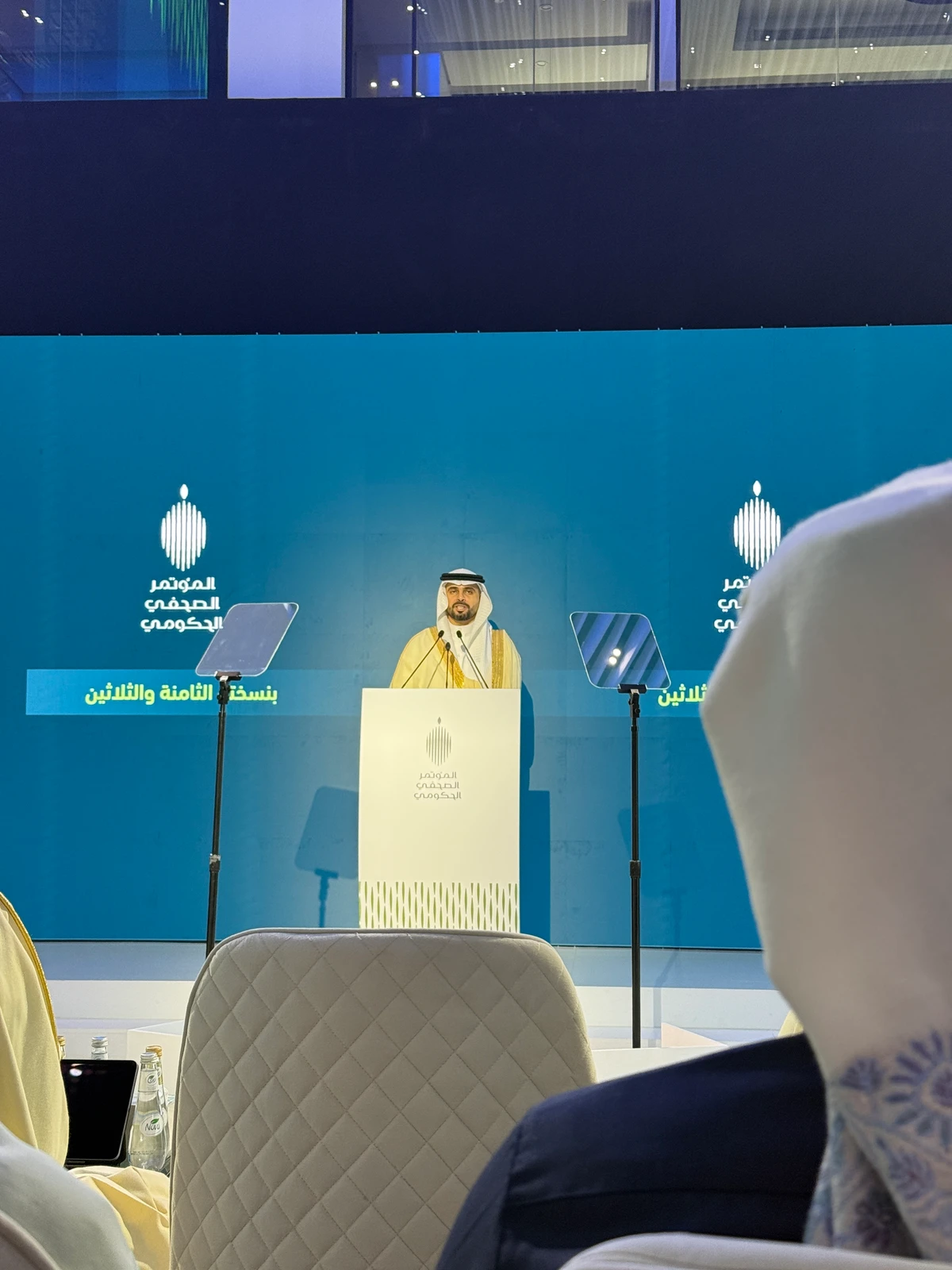
RIYADH: Saudi Arabia’s progress in digital government services, including remote healthcare, judicial services and digital inclusion, was highlighted at the 38th Government Press Conference on Sunday, where Digital Government Authority Gov. Ahmed Al-Suwaiyan outlined the Kingdom’s digital transformation achievements.
During the conference, Al-Suwaiyan presented figures illustrating the expansion of digital government services, improvements in institutional efficiency and the growing role of technology in delivering public services.
He highlighted Saudi Arabia’s rise to fourth place globally in the United Nations E-Government Development Index, up from 52nd in 2018, as part of the Kingdom’s efforts to become one of the world’s five leading governments under Vision 2030.
Digital transformation measurement across government entities increased from 69 percent in 2021 to more than 90 percent by the end of 2025, according to figures presented during the conference.
Digital services expand across government
The presentation highlighted the growing use of digital services across several government sectors.
In the justice sector, 95 percent of court hearings are conducted remotely through digital judicial services, while the system records more than 60 million visits annually.
In healthcare, 51 percent of medical appointments are delivered remotely through the Virtual Hospital and virtual clinics.
The presentation also highlighted the use of robotic technology at King Faisal Specialist Hospital and Research Center in surgical procedures, including tumour removal. According to the presentation, the technology has helped reduce surgical impact and recovery time, allowing some patients to leave hospital on the same day rather than spending up to seven days recovering.
Digital services have also supported visitor management at the Prophet’s Mosque in Madinah, with the number of daily visitors to the Rawdah reaching 55,000, compared with 4,000 previously.
Private sector partnerships support digital transformation
Partnerships with the private sector remain an important component of the Kingdom’s digital transformation strategy.
Government spending on telecommunications and information technology services exceeded SR145 billion ($38.65 billion) between 2022 and the end of 2025, according to figures presented at the conference.
Cloud computing adoption across government entities reached 49 percent, while the value of contracts awarded to small and medium-sized enterprises and entrepreneurs exceeded SR9 billion in 2025.
Innovation and digital inclusion
The Digital Government Authority has established an Innovation Centre to support government entities in developing services and products through dedicated innovation spaces, laboratories and specialised facilities.
More than 4,000 government employees have benefited from its innovation programmes. The centre has also provided more than 1,100 specialist consultations and awarded over 90 certifications in enterprise architecture and excellence.
Digital inclusion was another priority highlighted during the conference, particularly in improving access to services for older people and persons with disabilities.
The Kingdom’s digital inclusion indicator reached 77 percent, reflecting efforts to make digital services more accessible to different segments of society.
The presentation also highlighted initiatives aimed at increasing citizen participation in government decision-making through electronic engagement.
Strengthening digital resilience
As government institutions increasingly rely on digital platforms and advanced technologies, managing technological risks and strengthening cybersecurity have become important priorities.
Ensuring that government entities can respond to technological disruptions and maintain the continuity of digital services will be essential to sustaining the progress achieved.
Al-Suwaiyan also highlighted the importance of institutional development and establishing specialised government entities to support digital transformation and improve public sector performance.