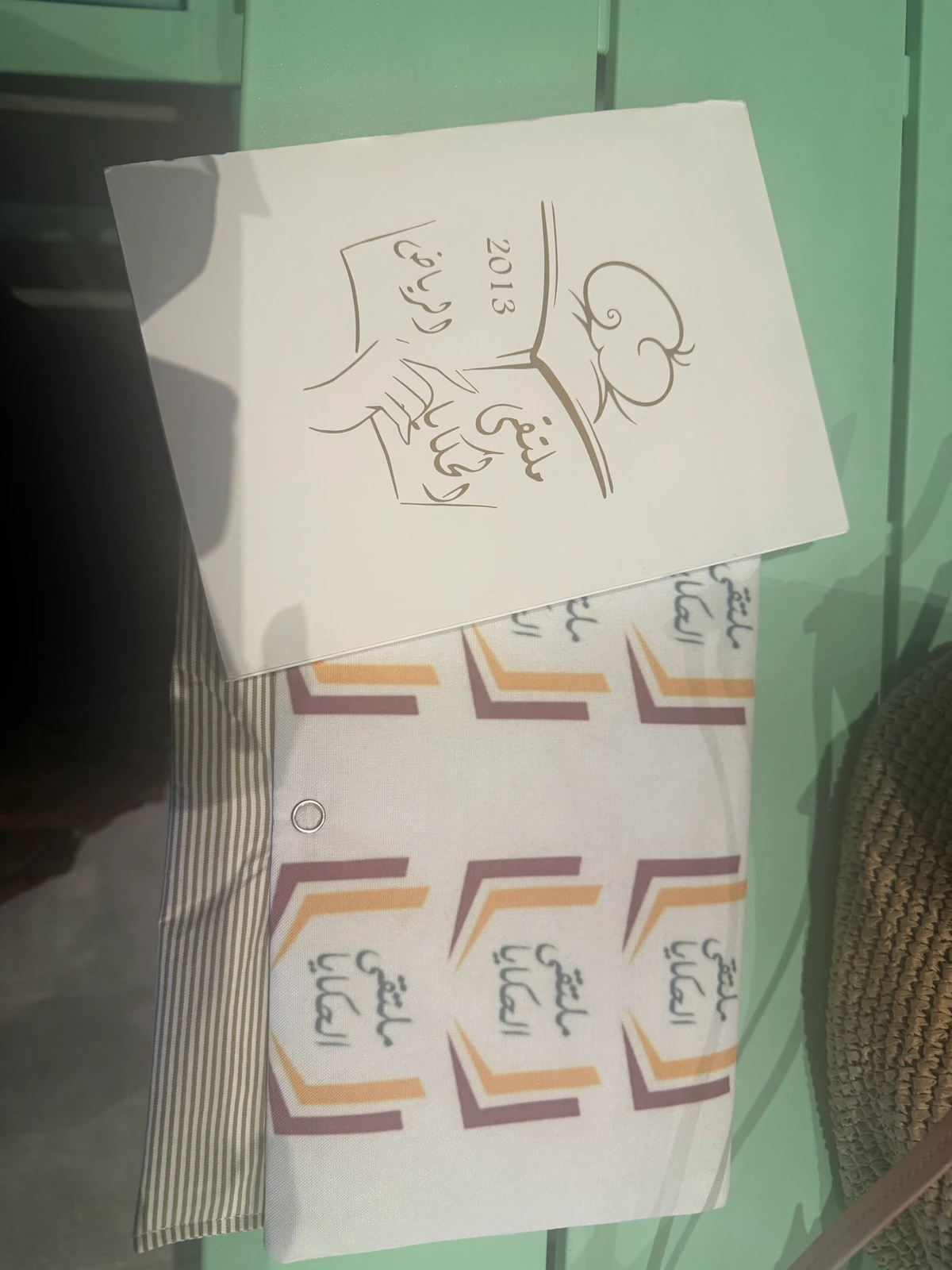
- Al-Hakaya Literary Circle, founded in 2013, is a women-only book club in Riyadh that fosters community and intellectual discussion among its members.
- The group began with eight friends and has since grown to approximately 45 women, united by their love of reading and diverse backgrounds in academia, journalism, and writing.
RIYADH: Since 2013, a close-knit circle of bibliophiles — all women who are residents of Riyadh — has made time between careers, families and other commitments to find companionship over books and rich conversation about the world.
Some members are retired, while others continue to work in academia, journalism and writing. What unites them is a lifelong love of reading and an intellectual curiosity that extends beyond their professional lives.
Founded in 2013 by eight longtime friends, Al-Hakaya Literary Circle has grown into a community of around 45 women, many of whom have remained members since its earliest days.
“We were friends, and the whole idea started with a simple question: How can we spend our free time doing something meaningful?” founding member Oroubah AlMunif told Arab News.
“Books had already brought us together. We were all readers. But, over time, we realised that the idea had become something bigger.”
The women initially met in a friend’s private office, reading a different book each month, from novels and history to philosophy and personal development.
AlMunif said the friendships, organization and intellectual interests shared by the members were key to the club’s longevity.
“Some of our members are retired, while others are still working. But we all share an interest in reading, writing and cultural activities, and in exploring subjects such as culture and philosophy in greater depth,” she said.
As its name suggests, Al-Hakaya Literary Circle, meaning “The Stories Forum,” places particular emphasis on novels. Yet the stories its members choose often extend far beyond their plots, exploring broader themes of politics, history, social change and the human experience.
Members propose titles, which a committee then reviews for literary value, critical reception, and potential for discussion.
The group also consults literary critics’ reviews and book ratings, traditionally beginning its reading season with the winner of the International Prize for Arabic Fiction, the Arabic Booker Prize.
“One of the novels we read explored Algeria and its war of independence. Another dealt with the German occupation of France during the Second World War," AlMunif said.
“The novel (Hisham Matar’s ‘My Friends’) we’re currently discussing is about Gaddafi, dictatorship, revolution, the Arab Spring and young people living in exile.
“They’re all novels and stories, but at the same time they introduce us to politics, the histories of different countries and other cultures.”
What started as a gathering of established readers, many in middle age, has gradually opened to younger women, bringing different generations together through their shared interest in books.
Membership, however, remains selective.
Prospective members are generally introduced through existing members, and their reading backgrounds, interests, and ability to commit to the club are considered before they are admitted.
AlMunif said potential members usually attend one or two meetings before joining, allowing them to become familiar with the group and its expectations.
“We make sure every member has a role in presenting and discussing books,” she said.
“The goal is for everyone to be actively involved. Everyone contributes, participates in choosing books and has an opportunity to present ideas.”
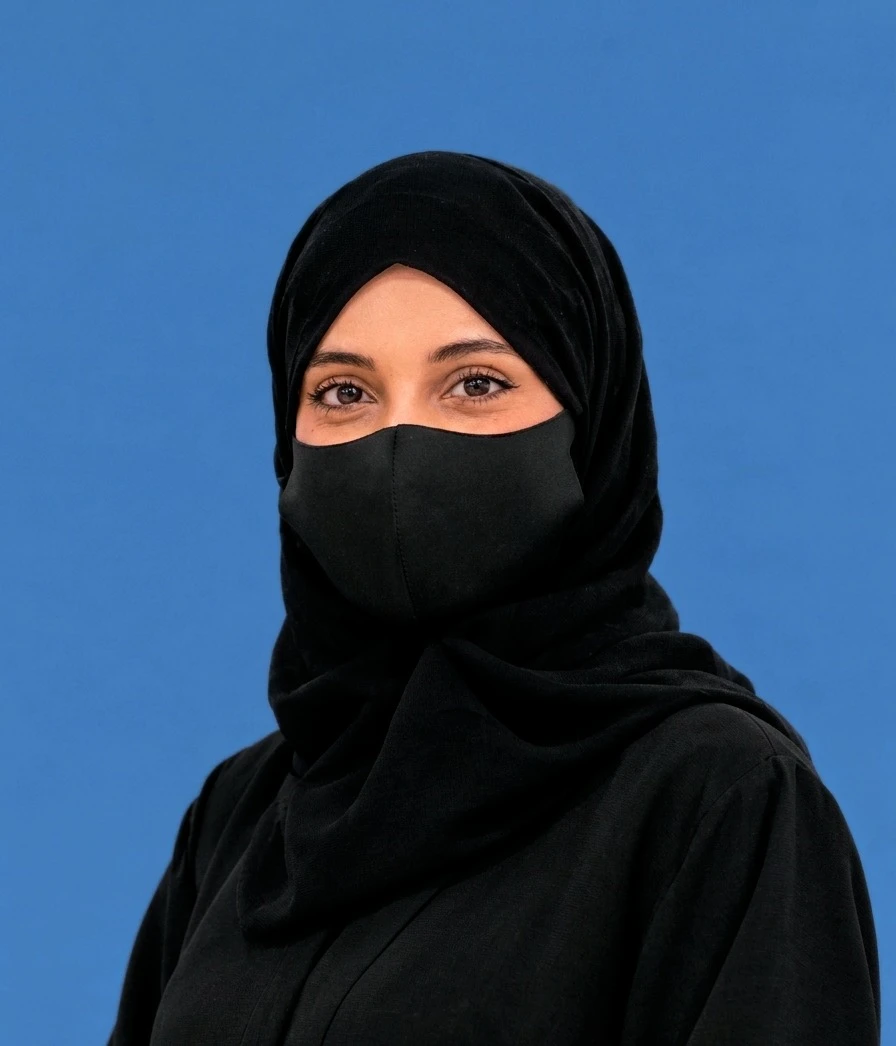
For Lama Alrayes, one of the club’s younger members, the monthly gatherings offer a welcoming environment to exchange ideas and discover interpretations she might not have considered while reading alone.
“It’s a welcoming and safe space for exchanging thought-provoking ideas. Discussing characters with the group adds dimensions to the story that might never have crossed my mind before,” Alrayes told Arab News.
She described Al-Hakaya as a community in the truest sense.
Alrayes added: “It’s a community in the literal sense, I am surrounded by women who take reading seriously, but also find genuine pleasure in sharing it.
“What I appreciate most is that, despite their different backgrounds and experiences, everyone has something to contribute. There is a real sense of belonging, and the conversations encourage you to question your own perspectives and discover ideas you might not have considered on your own.”
The women-only gatherings have also become a longstanding social space where members can enjoy one another’s company while experiencing rich personal growth.
AlMunif said some of the most noticeable changes over the years have been in the members themselves.
“The women who joined us 13 years ago are different from who they are today,” she said.
“In the beginning, some of them didn’t know how to speak up or participate in discussions. They would spend most of the meeting sitting quietly.
“But after three or four years, you’d notice that a member was actively expressing her opinions, speaking, debating and suggesting books.”
The club's history also offers a perspective on Saudi Arabia’s cultural scene that extends beyond the recent boom of cultural institutions, festivals and government-led initiatives.
Although the Kingdom’s cultural sector has undergone substantial development under Vision 2030, independent groups of readers and intellectuals have long organized their own gatherings and engaged with literature and cultural life.
The Riyadh International Book Fair, for example, attracted more than 1.38 million visitors in 2025, reflecting the Kingdom’s growing literary scene and its large community of book lovers.
While recent cultural initiatives have played an important role in supporting this growth, the Kingdom’s cultural life has also been shaped by generations of independently established communities, brought together by shared interests long before the recent cultural boom.
Al-Hakaya is one such example, reflecting how women in the Kingdom have created and sustained their own cultural and social spaces, continuing to feed their intellectual interests well into middle age and retirement.
The club has registered with Hawi, the national platform supporting amateur clubs, launched in 2022 under the Quality of Life Program with the involvement of 12 government entities, including the Ministry of Culture.
AlMunif said Hawi assisted with venues and facilities, although women can also choose their own meeting places, particularly bookshops and cafes where they can read and talk over coffee.
Their activities extend beyond monthly discussions to include meetings with local authors, book signings, cinema outings and cultural evenings.
Even during the COVID-19 pandemic, the friends maintained their monthly tradition, moving their meetings to Zoom rather than suspending their discussions.
Al-Hakaya Literary Circle has chosen to remain faithful to its organic beginnings, preserving the friendships and shared passion for literature that brought its members together 13 years ago.
Despite its growing membership and opportunities for institutional support, the circle said it prefers to preserve the simple pleasure of reading together.
“We’ve thought about it (expansion), but taking that step would involve a lot more work and responsibility,” AlMunif said.
“Ultimately, we don’t necessarily want to turn this into an institution with a formal organizational structure. That’s not our main objective.
“Our goal is to benefit from these gatherings and enjoy spending time together.”
For AlMunif and her friends, the value of the literary circle lies in the community they have built and sustained on their own terms.
“We’re friends before anything else,” AlMunif said.