- Pakistan hosted a two-day Economic Cooperation Organization summit on Nov. 15-16 to boost regional connectivity, trade
- Islamabad vows to support wider market access, stronger regional value chains to boost cooperation among ECO members
ISLAMABAD: Pakistan’s Foreign Minister Ishaq Dar on Monday said that meaningful regional cooperation, trade and economic connectivity under the Economic Cooperation Organization (ECO) framework hinge on the Afghan authorities addressing security concerns of neighboring countries.
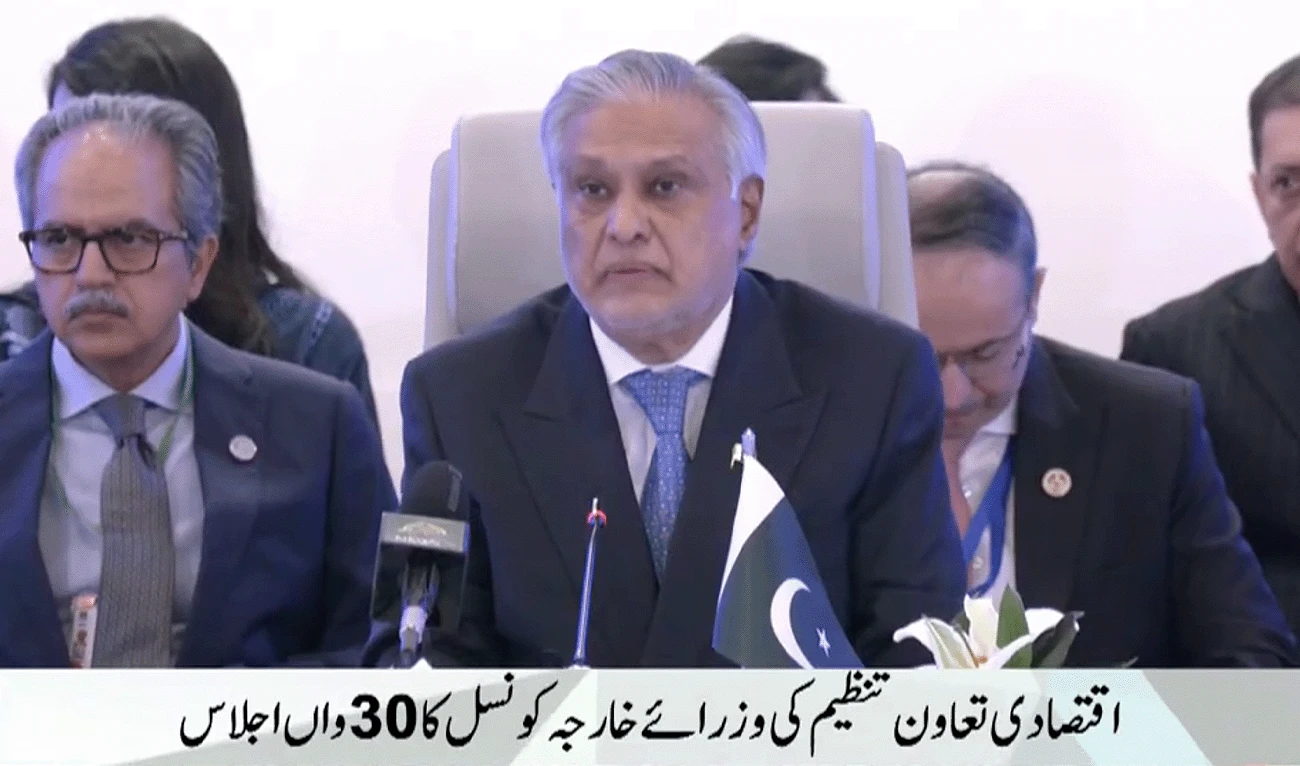
Dar said this while addressing the 30th meeting of the ECO Council of Ministers in Islamabad, which was attended by foreign ministers and heads of delegations of ECO member states, representatives of the ECO Secretariat and its subsidiary bodies.
The ECO, which includes Iran, Türkiye, Pakistan, Afghanistan, Azerbaijan, Kazakhstan, Kyrgyzstan, Tajikistan, Turkmenistan and Uzbekistan, is an intergovernmental organization that was formed in 1964 and aims to promote sustainable economic development in the region.
Addressing attendees at the summit, Dar said they must recognize the wider conditions upon which the success of their economic agenda depends, adding that economic cooperation creates shared interests in stability while insecurity can undermine even the most promising development initiatives.
“Pakistan desires a peaceful, prosperous and stable Afghanistan, fully integrated within the ECO framework and at peace with itself and its all neighbors. Such an outcome would serve not only the Afghan people, but also the wider region, opening important avenues for trade, transit and economic cooperation,” he said.
“At the same time, meaningful progress requires the Afghan authorities to address the legitimate security concerns of the neighboring countries, particularly the threat of terrorism. A secure and stable environment is absolutely essential for sustained regional economic partnerships. These considerations are central to our wider connectivity agenda.”
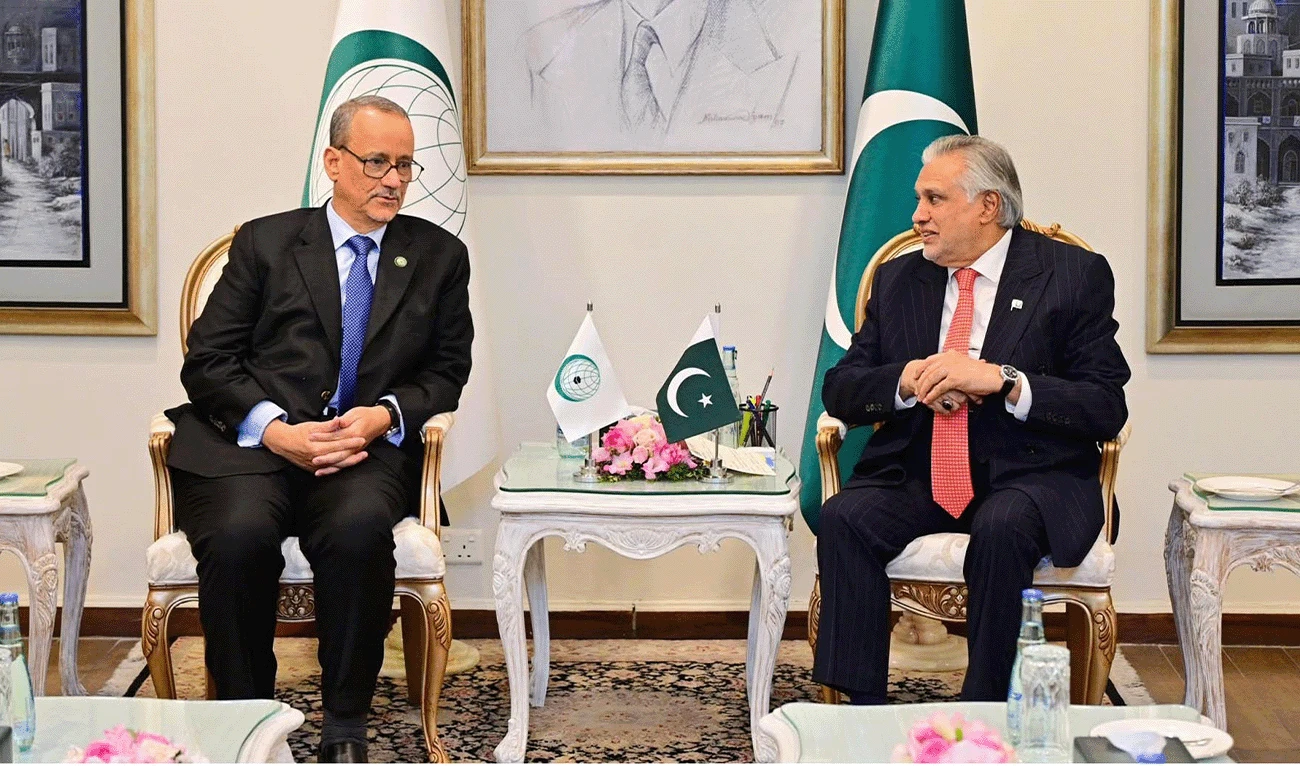
Foreign dignitaries, including the Organization of Islamic Cooperation (OIC) head, Iran’s foreign minister and officials from other ECO member states, arrived in Islamabad to attend the two-day regional summit on Nov. 15-16, aimed at strengthening regional connectivity and economic cooperation.
The summit comes at a time when Pakistan is working to strengthen its position as a key trade and transit hub, connecting landlocked Central Asian states to the global market through its strategic location.
“Our region occupies a unique position at the crossroads of South Asia, Central Asia and West Asia. It brings together important markets, abundant natural resources and historic routes of commerce,” Dar said.
“Our collective endeavour must be to translate this advantage into stronger economic connections and shared prosperity for us all.”
He said that the region’s resources, energy reserves, agriculture capacity and strategic location provide considerable scope for closer economic cooperation, but realizing this potential requires functioning transport corridors, efficient border procedures and predictable arrangements that businesses can use with confidence and ease.
“For businesses and communities across our region, closer cooperation can open new markets, lower trading costs, attract investment and create new opportunities for employment and enterprise,” he said.
“We will support wider market access, stronger regional value chains and greater private sector participation, particularly by small and medium-sized enterprises.”