- Proposals to break Pakistan’s four large provinces into smaller administrative units have revived debate in recent weeks
- Supporters argue they could improve public services and infrastructure, critics point to cost of additional administrations
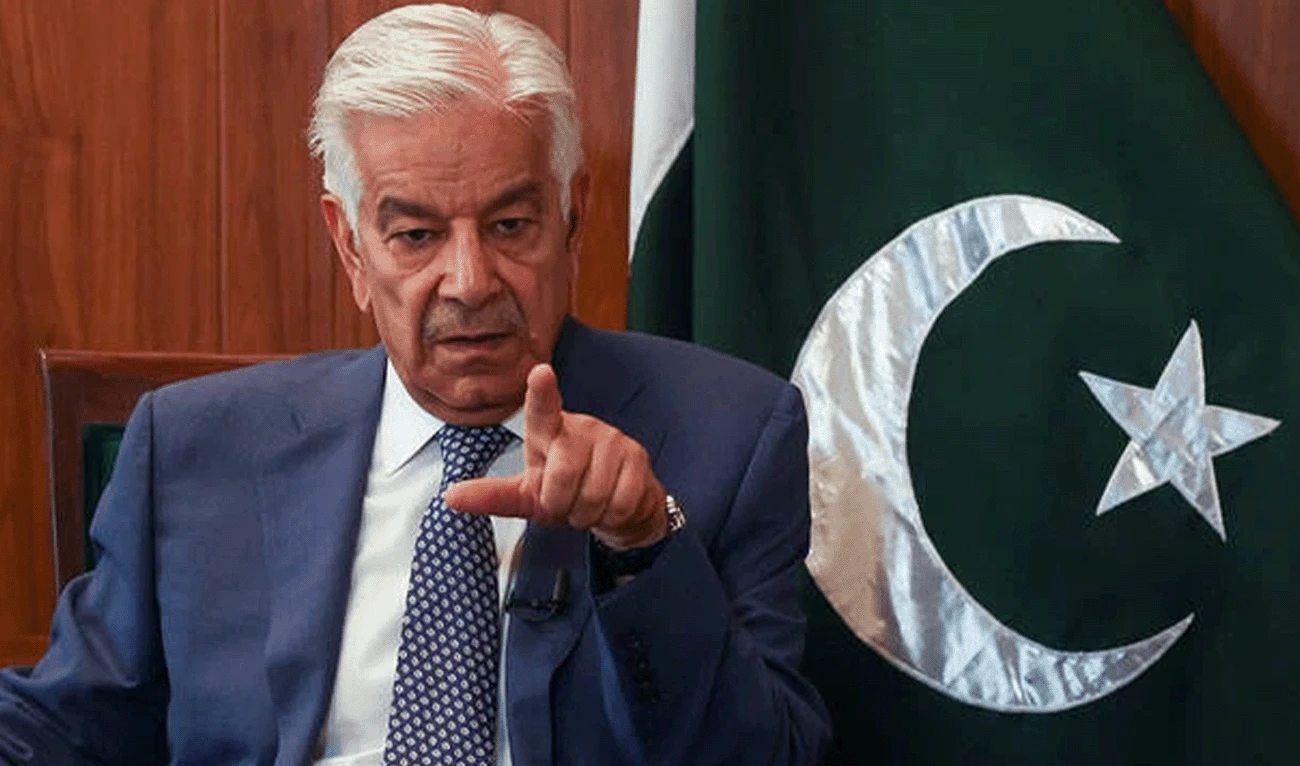
ISLAMABAD: Defense Minister Khawaja Asif on Sunday hinted at the possibility of new provinces in Pakistan and expressed his hope that the move could change the country’s political landscape “very progressively.”
Proposals to break Pakistan’s four large provinces into smaller administrative units have revived debate in recent weeks over whether greater devolution could improve governance and public services, and whether the cash-strapped state can afford the additional bureaucracies it could create.
While Defense Minister Asif denied having inside information on discussions to create new administrative units, he said it was his assessment that things were headed in the “same direction.”
“This is an issue on which a consensus is being developed. I would say that this has been ongoing for the past few weeks,” Asif said, while speaking on Geo News show ‘Naya Pakistan.’
“And in my opinion, this would change our political landscape very progressively if this consensus is created and these provinces are carved out.”
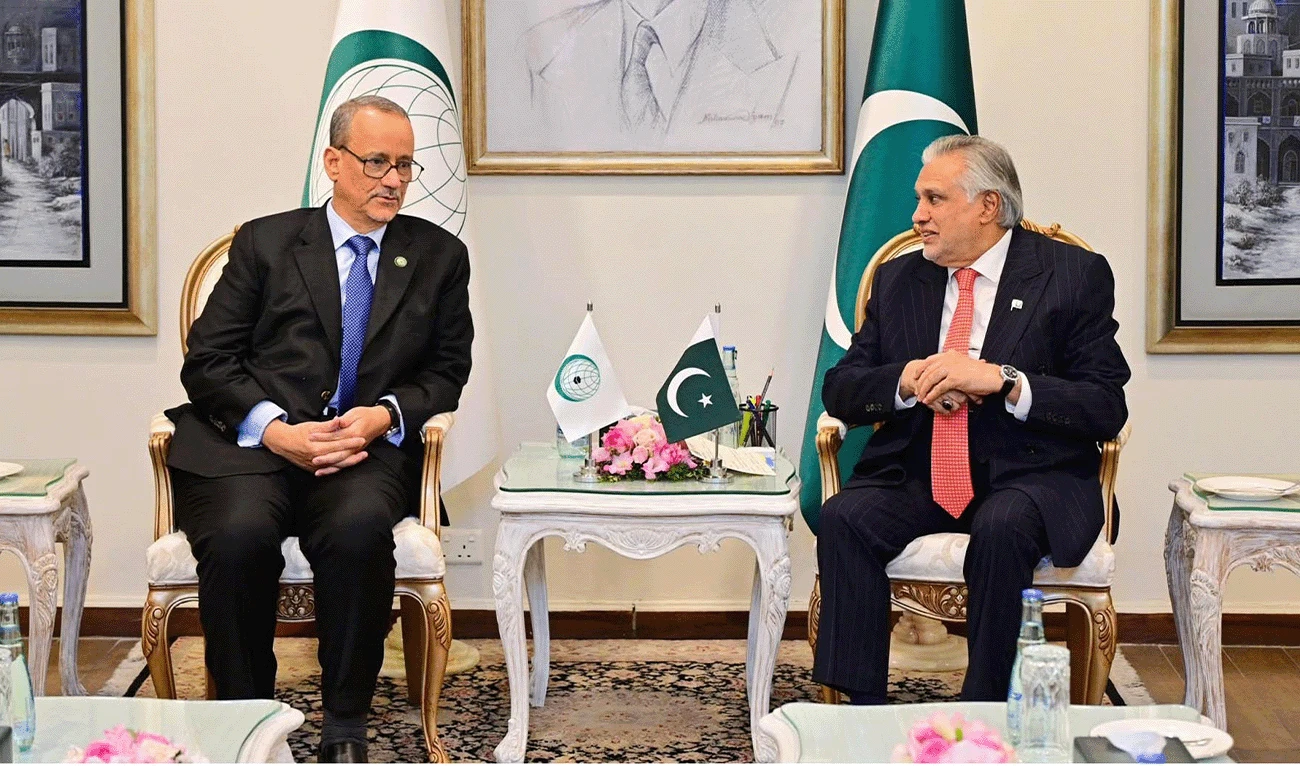
Asif’s comments came days after President Asif Ali Zardari’s meeting with Prime Minister Shehbaz Sharif. While an official statement from the meeting said the country’s political situation came under discussion, Pakistani media reported that both leaders agreed to “strictly adhere to constitutional provisions” governing the creation of new provinces, citing sources.
Pakistan, a country of more than 240 million people, is divided into four provinces, Punjab, Sindh, Khyber Pakhtunkhwa and Balochistan, that vary enormously in population and geography. Creating new provinces would require constitutional amendments and broad political agreement over issues including political representation and the distribution of federal revenues.
Proposals for new provinces have periodically surfaced in Pakistan and are politically contentious, with debates often intersecting with questions of ethnicity, language, political representation and the distribution of federal resources.
Supporters of smaller administrative units argue they could bring government closer to citizens, improve public services and infrastructure and make officials more accountable, while critics point to the cost of creating additional provincial administrations and the potential for political and ethnic disputes.