- Gold-backed loans help microfinance banks return to profitability after six years of losses
- High borrowing costs, fluctuations in gold prices pose risks for borrowers and lenders alike
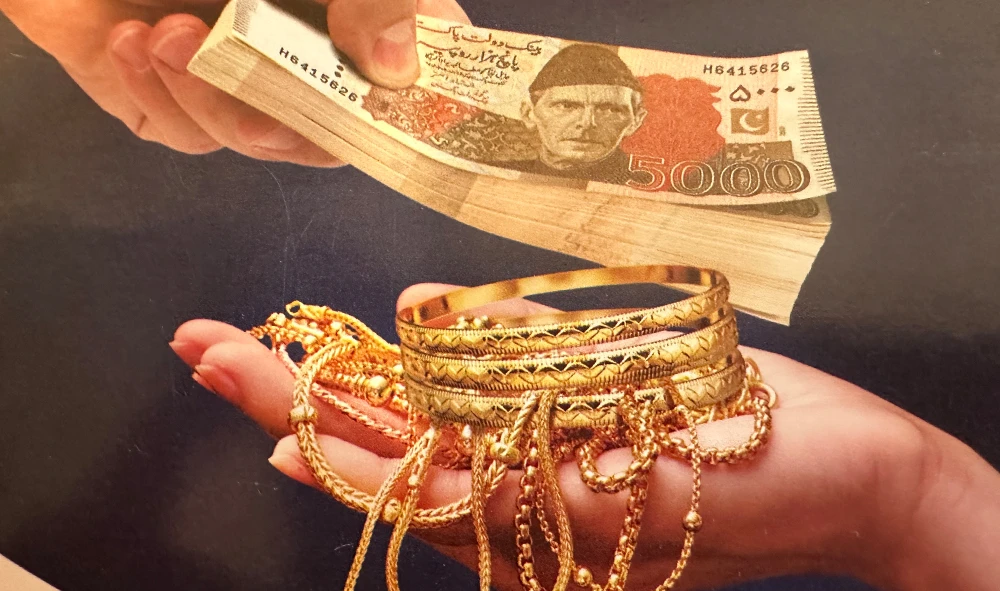
KARACHI: When Tooba Israr Ahmed needed money to start a business after her wedding, the 25-year-old Pakistani homemaker chose not to sell the gold jewelry gifted to her by her mother and brother, instead pledging it to a microfinance bank to secure a loan.
Ahmed borrowed Rs162,000 ($586) against 2.5 tolas, equivalent to about 29 grams, and invested the money in an online venture.
“I had taken a loan by keeping gold here,” Ahmed told Arab News at an Abhi Microfinance Bank branch in Karachi, where she returned this week to seek another loan.
“I invested Rs150,000 [$543]. From there, I am getting $110 per month.”
Her experience illustrates a growing trend in Pakistan’s microfinance sector, where lenders are tapping household gold reserves to extend credit to individuals and small businesses, helping an industry battered by years of losses return to profitability.
Gold jewelry has traditionally served as a form of savings and financial security for Pakistani households, particularly women. Pledging it allows borrowers who may lack other assets acceptable to banks as collateral to raise money without selling family possessions, though high financing costs and the risk of losing their jewelry remain concerns.
Tahira Naveed, a government employee who keeps her savings in bank deposits, said she was considering using her gold to supplement her household income amid inflationary pressures.
“These gifts we get from our parents, if we utilize them, it helps us a lot,” she told Arab News. “If I need it [money] in the future, I will definitely invest my gold.”
GOLD-DRIVEN GROWTH
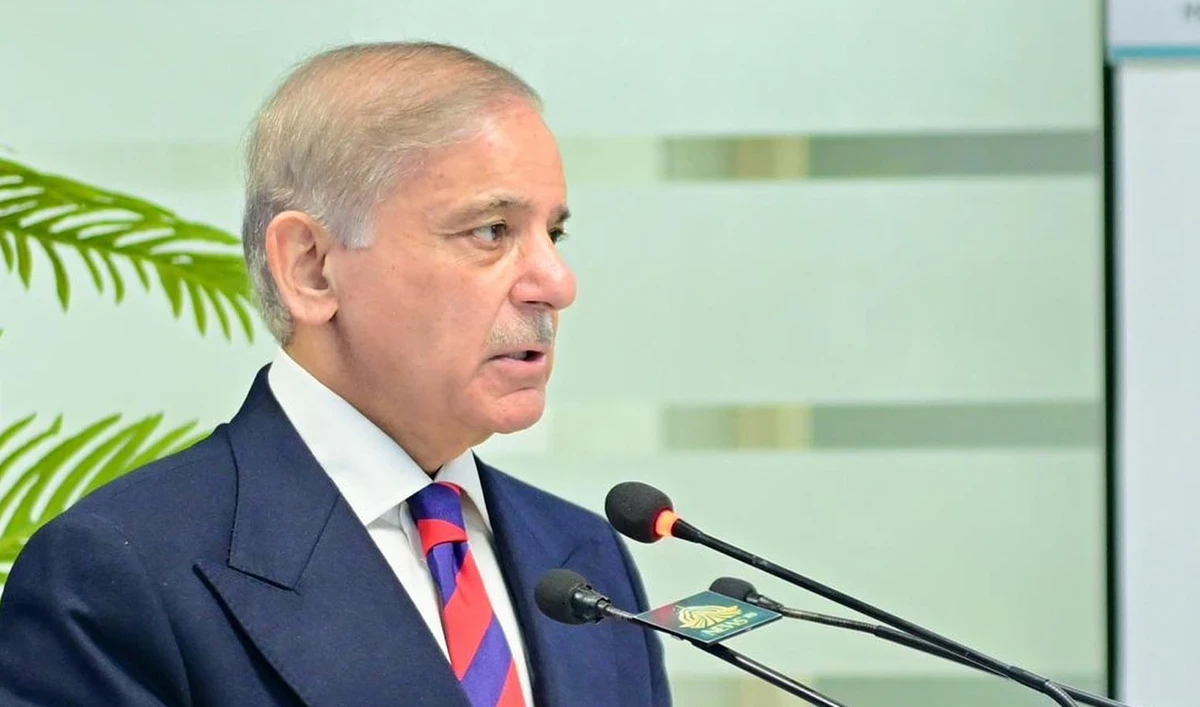
In a recent report, State Bank of Pakistan Governor Jameel Ahmad said microfinance banks’ assets expanded 31 percent to Rs1.17 trillion ($4.23 billion) in the fiscal year ending June 2026, while lending rose 27 percent to Rs528 billion ($1.91 billion) from a year earlier.
“The notable expansion in advances reflects MFBs’ strategy to offer gold-based lending products to enterprises and consumers amid rising gold prices,” Ahmad said.
Gold-backed lending accounted for 52 percent of the sector’s gross loans, helping microfinance banks return to profitability after six consecutive years of losses, the governor said, while cautioning that “the collateral volatility may be a concern.”
A sharp fall in gold prices could erode the value of assets pledged against loans, leaving lenders exposed to losses if borrowers default.
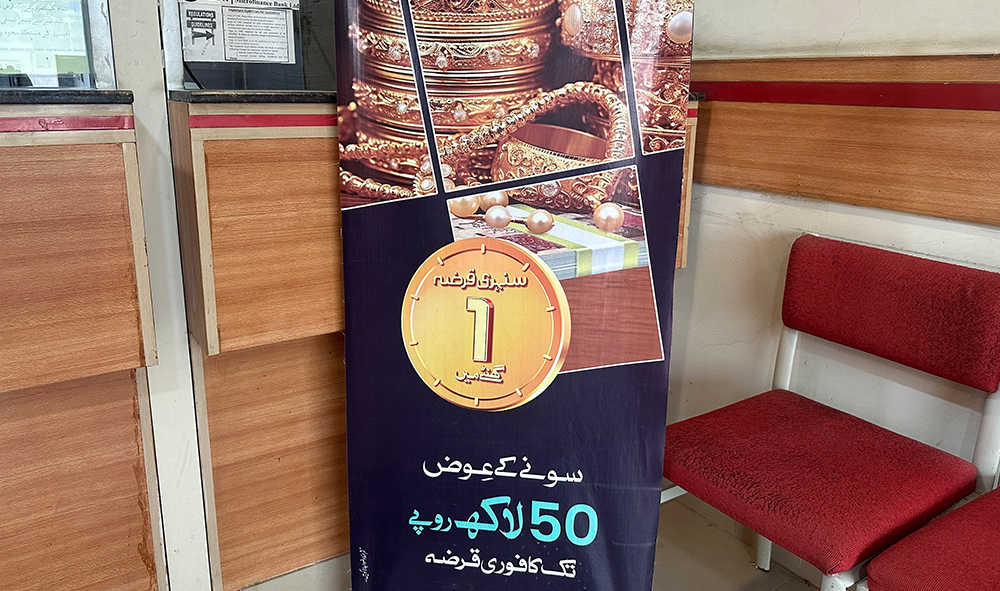
At Abhi Microfinance Bank, gold-backed lending has become the principal driver of growth, according to Kabeer Naqvi, entrepreneur-in-residence at Abhi Fintech UAE.
The bank’s loan portfolio has grown from Rs16 billion ($57.9 million) less than two years ago to nearly Rs70 billion ($253 million), with about 80 percent backed by gold, Naqvi said. It aims to exceed Rs100 billion ($362 million) next year.
“The base on which we have turned the bank around, that has been gold-based lending,” he told Arab News, adding that the bank held about 1.2 metric tons of gold as collateral against roughly Rs49 billion ($177 million) in loans.
The bank charges financing rates of between 35 and 38 percent, which Naqvi said were broadly in line with lending rates across the sector.
Gold is assessed by three approved goldsmiths, weighed and sealed in tamper-proof bags, he said. Inaccurate assessments of gold purity remain an operational risk.
Borrowers who default are given a grace period of 60 to 90 days before their jewelry may be auctioned.
Naqvi put the default rate at below 1 percent, attributing it partly to borrowers’ emotional attachment to family possessions.
“He [borrower] comes to take back his mother’s, wife’s, sister’s jewelry.”
COST OF BORROWING
Pakistan’s microfinance sector had nearly 16.5 million active borrowers as of September 2026, up from between 12 million and 12.5 million, according to the Pakistan Microfinance Network (PMN).
Mohsin Ahmed, CEO of the network, which represents 46 microfinance banks and non-bank lenders, said gold remained an important savings instrument for rural and low-income women.
“Majority of the rural women and low income women in Pakistan, one of their saving tool, other than having livestock, is in the form of gold,” he said.
Muhammad Farid Alam, CEO of AKD Securities Ltd., said gold-backed lending could help bridge gaps in access to finance, particularly for borrowers seeking short-term funding, but cautioned against its use for longer-term financing given the high borrowing costs.
“Organizations like Abhi, although they charge a hefty fee, still make funding available,” he said.
Lenders could protect themselves against fluctuations in gold prices by keeping the amount lent sufficiently below the value of the pledged jewelry, Alam said.
“Lending against gold has been very, very kosher and clear. The margin regime, if placed well, you hardly go wrong,” he said.
For borrowers like Ahmed, however, the opportunity to raise money without selling their jewelry remains attractive. She plans to borrow more, aiming to increase her total investment to Rs300,000 ($1,085) to boost her monthly earnings.
“I want to take more loans and increase my earning,” she said.