- Globally recognized product testing could help exporters reduce costs, improve market access
- Government forms committee to review research body’s performance, role in industrial growth
ISLAMABAD: Prime Minister Shehbaz Sharif on Friday directed all laboratories of Pakistan’s state-run industrial research body to obtain international accreditation to facilitate globally recognized certification of Pakistani products, as his government seeks to boost export-led economic growth.
Pakistan has been seeking to expand and diversify its exports beyond traditional sectors such as textiles to generate foreign exchange, strengthen its external account and reduce its reliance on external borrowing.
Internationally recognized laboratory accreditation could help Pakistani exporters of products such as processed foods, agricultural commodities, pharmaceuticals and leather goods demonstrate compliance with overseas quality and safety standards, reducing the need for repeat testing abroad, lowering costs and improving access to global markets.
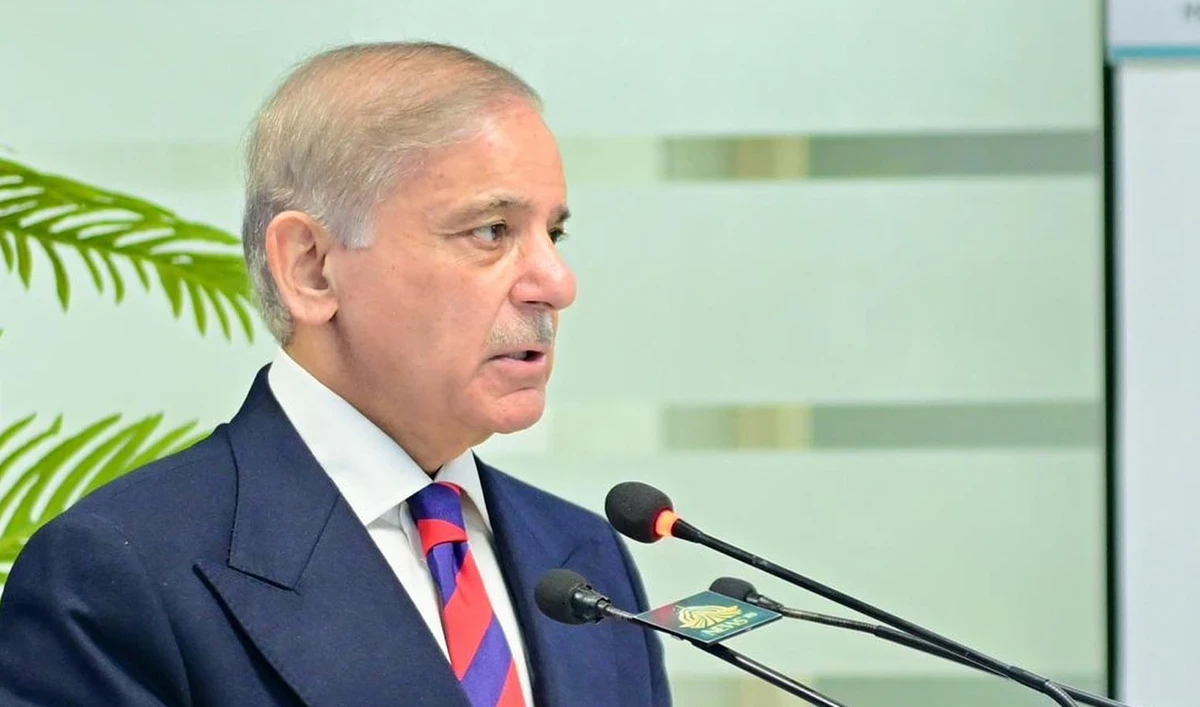
“The prime minister directed that all laboratories of the Pakistan Council of Scientific and Industrial Research (PCSIR) obtain accreditation in accordance with international standards to facilitate the certification of Pakistani export products according to global standards and their internationally recognized validation,” Sharif’s office said in a statement.
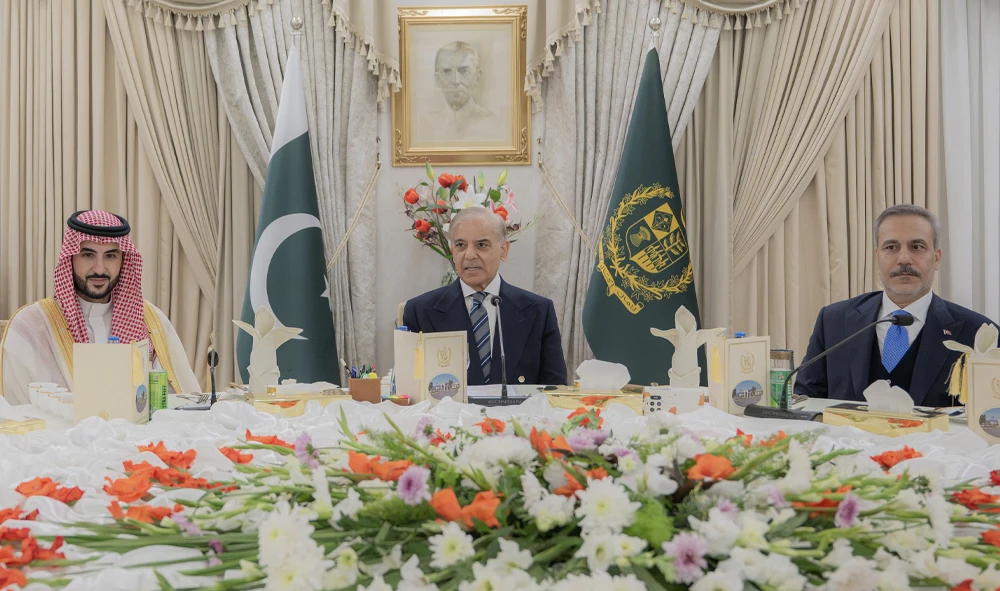
The directive came during a meeting in Islamabad to review the operations and performance of the council, which provides product testing, quality verification, research and technical services to domestic industries and exporters.
International accreditation provides independent assurance that laboratories are technically competent to carry out specific tests and produce reliable results. Recognition of these results by overseas regulators and buyers can help businesses overcome technical barriers to trade.
This can be particularly beneficial for small and medium-sized enterprises that may lack the financial resources to have their products repeatedly tested and certified overseas.
“PCSIR can play an important role in promoting export-led economic growth and increasing the country’s exports,” the statement quoted Sharif as saying.
The prime minister also directed the council to strengthen its research capabilities to make Pakistani products more competitive in international markets and expand cooperation with the National Vocational and Technical Training Commission to provide industrial skills training to young people.
Officials told the meeting the council operated 10 research laboratories and units and seven technical training institutes across the country, with another 12 laboratories nearing completion. The institution has provided technical training to more than 12,000 young people.
Sharif constituted a committee to review the council’s mandate, performance and future role in supporting the national economy and industrial development. He also sought a report on a third-party assessment of the institution.
The statement did not specify a deadline for obtaining international accreditation or say how many of the council’s existing laboratories were already internationally accredited.