- The development comes as negotiators at the UN climate summit are asked to consider a last-minute proposal to salvage the talks
- Islamabad proposed a climate-resilient heritage framework to boost cooperation among SCO members during the summit this week
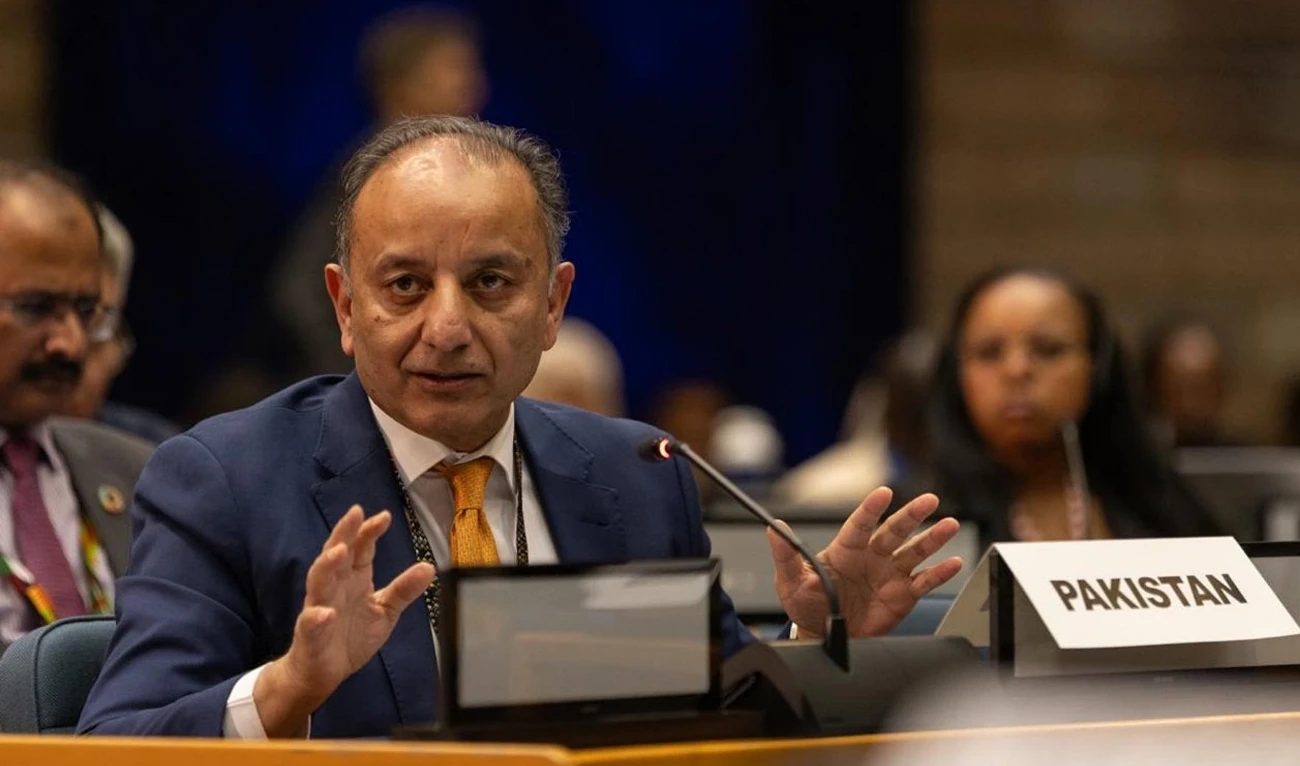
ISLAMABAD: Pakistan’s Climate Change Minister Musadik Malik has stressed the need for urgent action to save the world from the impact of climate change, Pakistani state media reported on Sunday.
Malik’s call came during his meeting with Nepal’s Minister for Culture, Tourism and Civil Aviation Khadak Raj Paudel in New Delhi on the sidelines of the first Shanghai Cooperation Organization (SCO) Civilizations Dialogue Forum.
Nepal is urging world leaders at the UN climate summit in Turkiye to prioritize the dangers facing mountain regions after deadly floods destroyed entire villages in Nepal, leaving thousands dead and missing. A three-year-old UN fund for climate damage has set aside only $20 million for Nepal, far short of the estimated $2.5 billion in losses.
In 2022, catastrophic floods in Pakistan affected 33 million people, killed more than 1,730 and caused more than $30 billion in damage and economic losses, according to a government estimates. Floods struck again in 2025, killing more than 1,000 people, displacing more than 4 million and causing an estimated $2.9 billion in damage.
“Urgent global action is essential to address the growing risks of natural disasters caused by climate change,” Malik was quoted as saying by Radio Pakistan broadcaster.
On Saturday, Malik proposed a climate-resilient heritage framework to boost cooperation among SCO member states while addressing the SCO ministerial forum in New Delhi.
Meanwhile, negotiators at the United Nations climate conference were being asked to consider a last-minute proposal by Turkish officials, an attempt to reach an agreement and salvage the talks that have stretched into a second day of overtime and been characterized by sharp disagreements over how, and whether, to confront the root cause of global temperature rise.
Early Sunday, Turkish environment minister Murat Kurum, president of the two-week talks in Antalya, said he had “a text which all parties can agree to.”
The text was not immediately made public and it was unclear if negotiators had received the wording overnight, which would give nations only a few hours to submit objections and changes.
Key issues have bogged down the negotiations. They include the amount of concerted effort by countries to wean themselves from fossil fuels including coal, oil and gas, which are the main drivers of climate change, whether to encourage industrial carbon capture and storage of pollutants and whether ramping up electricity should only be done with renewables such as wind and solar or also involve other energy sources including natural gas and coal.
“Outside of this hall there are people who are living with the effects of climate change,” Kurum told negotiators early Sunday. “The children, the parents are waiting for this.”
Talks were scheduled to end Friday and work crews boxed up the venue Saturday, although it is common for negotiations to go beyond the scheduled time.
This year’s negotiations drew strong condemnation for failing to mention fossil fuels in an earlier draft of the final agreement. The document is meant to address how the world will deal with climate change, which drives heat waves, floods and other disasters.
With additional input from AP.