- Sharif urges Pakistan to translate its diplomatic and military achievements into economic gains
- He says government recovered Rs900 billion through tax reforms, enforcement in last fiscal year
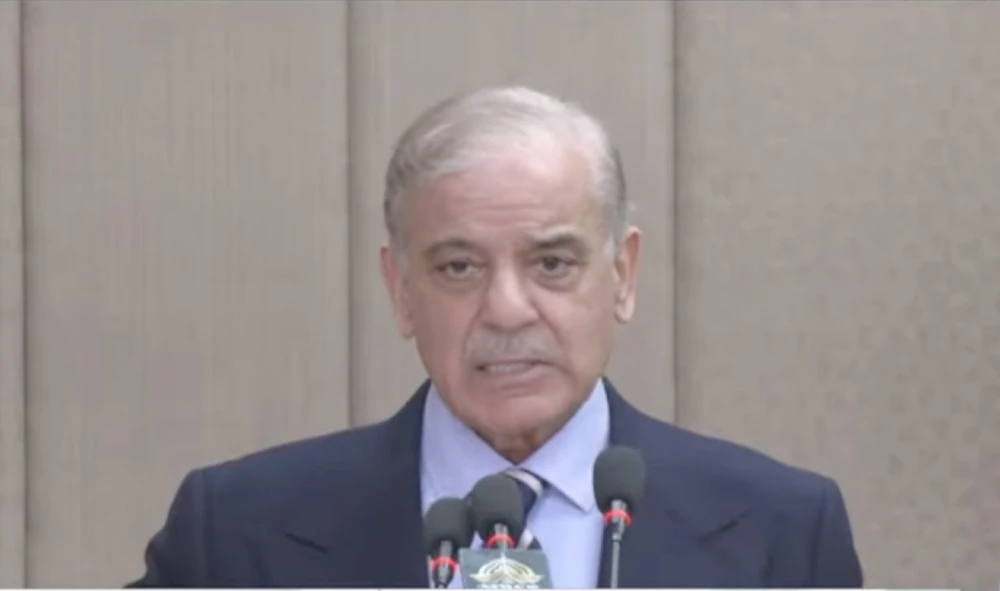
ISLAMABAD: Prime Minister Shehbaz Sharif on Sunday linked his country’s strategic partnership with Saudi Arabia and Türkiye to its economic prosperity, saying Pakistan must translate its diplomatic and military achievements into economic gains and achieve at least six percent growth.
Addressing participants of the National Security Workshop, Sharif said Islamabad’s trilateral Makkah defense pact with Riyadh and Ankara would advance the country’s economic as well as security interests.
“With Saudi Arabia we have historic relations based on mutual trust and respect and this agreement has further strengthened our strategic partnership,” he said, adding that the trilateral partnership would “ensure not only our security interest in the region but our progress and prosperity.”
Sharif’s remarks came on the day Pakistan announced it was deploying army troops to Saudi Arabia to strengthen the Kingdom’s defensive capabilities, following trilateral defense talks in Islamabad on Friday.
The prime minister reiterated that the agreement was not directed against any country and had no aggressive designs, while highlighting Pakistan’s continuing diplomatic efforts to broker peace between the United States and Iran.
“Now I think it’s time to convert these achievements into our economic gains because time and tide wait for none,” he said.
Pakistan is seeking to transition from macroeconomic stabilization to sustained growth following years of financial difficulties, with the government pursuing structural reforms under a $7 billion International Monetary Fund (IMF) program.
Sharif said Pakistan’s gross domestic product (GDP) was projected to grow by 3.5 percent in the current fiscal year, below the four percent target approved by the National Economic Council in June.
“We have to touch minimum six percent as early as possible,” he said.
The prime minister highlighted reforms undertaken by his administration at the Federal Board of Revenue (FBR), Pakistan’s central tax collection agency, to tackle corruption and tax evasion.
He said the government had recovered Rs900 billion ($3.26 billion) through tax enforcement measures during the 2025-26 fiscal year, crediting cooperation between the civilian and military leadership for the reforms.
Pakistan has long struggled with a narrow tax base and widespread tax evasion, with successive governments facing pressure from the IMF to improve revenue collection and strengthen public finances.
Beyond tax reforms, Sharif identified agriculture and livestock as areas with significant untapped economic potential, emphasizing the need to invest in information technology, artificial intelligence and vocational training to equip the country’s young population with marketable skills.