- Pakistan on Oct. 11 imposed emergency rule in Khyber Pakhtunkhwa, sidelining ex-PM Imran Khan party-led government
- Governor Faisal Kundi vows to play role in re-establishing peace and ensuring development in the militancy-hit region
ISLAMABAD: Pakistan Prime Minister Shehbaz Sharif on Thursday backed imposition of an emergency rule in the militancy-hit Khyber Pakhtunkhwa (KP) province, accusing the defunct opposition-led government of inaction against militants in the region bordering Afghanistan.
The remarks came during Sharif’s first visit to the province since the imposition of governor’s rule and an emergency on Oct. 11, which placed the province under a federal-backed administration, sidelining the government of jailed former prime minister Imran Khan’s Pakistan Tehreek-e-Insaf (PTI) party.
Islamabad says it intervened because militant attacks had intensified and the provincial government had failed to cooperate in counterterrorism efforts. The PTI-led former administration rejects the allegations of the federal government.
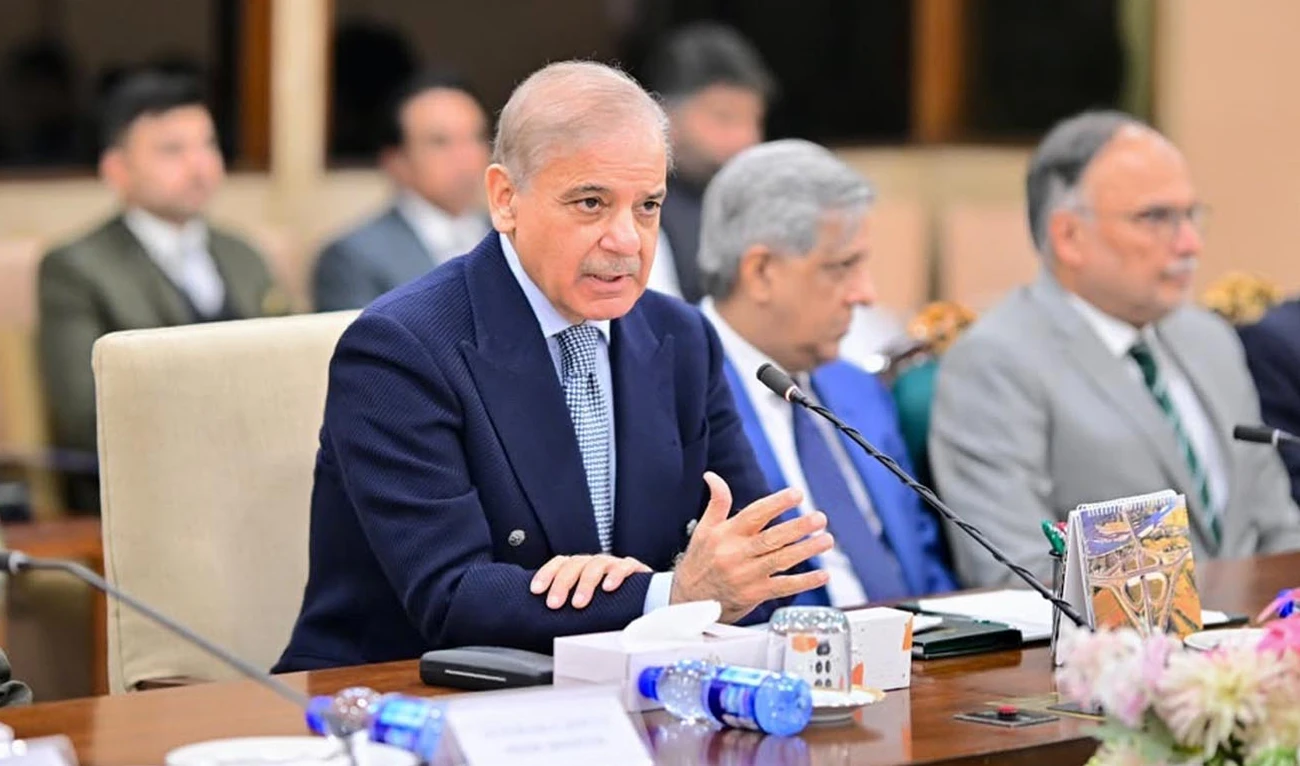
Speaking at a security meeting in the provincial capital of Peshawar, PM Sharif described the northwestern province as the country’s “first strong wall,” lamenting the resurgence of militancy in an area that he said had been a “haven of peace just six years ago.”
“Eighty thousand people were martyred and hundreds of billions of dollars were lost. Only then, peace was established in this country again in 2018. After such a great price... the way in which these terrorists were called here again, all the sacrifices were made to go in vain,” he said, referring to the former PTI government’s decision to hold talks with the Tehreek-e-Taliban Pakistan (TTP).
He said the federation assured the last two provincial governments of its full support in fighting militants, but “nothing happened.”
“There can be no greater enmity to this country than this. All the issues of the people were put aside, whether it is education, [medical] treatment, or providing security to their lives and property,” he said.
“So when a party comes down to such hostility to the country, will you sit hand in hand and watch the country being destroyed? This is not possible.”
The Oct. 11 proclamation took executive powers away from the elected provincial government and placed Governor Faisal Karim Kundi in charge, assisted by an 11-member advisory council. It gave the federal government control over the administration of the province that has seen a sharp surge in militant attacks, which have killed dozens of security men, law enforcers and civilians in recent months.
The prime minister’s support for emergency rule at Thursday’s meeting signaled a potentially tougher approach to restoring security and addressing what the center viewed as failures in the province’s response to militancy.
Speaking at the meeting, Governor Kundi said he was determined to play his part in this joint effort.
“Our first priority is the establishment of peace and the end of terrorism,” he said. “The people of Khyber Pakhtunkhwa will not have to choose between peace and development.”
Kundi said the people of the province could not be left alone and their sacrifices could not be neglected.
“I am determined to make Khyber Pakhtunkhwa an exemplary province where peace is established, terrorism is eradicated, the administration works efficiently, the people receive justice on time and prosperity and progress reach every region,” he added.
Sharif chaired the meeting at the Governor House in Peshawar, with Kundi, federal and provincial officials and senior military leaders in attendance.
The center’s move to impose emergency has also transformed Pakistan’s political balance. Candidates backed by PTI won more seats than those of any other party in the 2024 general election, but the party did not form the federal government. Khyber Pakhtunkhwa was the last province it governed before its elected administration was suspended.
The federal intervention also came at a time when PTI supporters were marching toward Islamabad to demand Khan’s release. PTI says the emergency is politically motivated and has challenged it in court. Sharif denies that the decision was intended to remove the opposition from power, saying his government had sought cooperation against militancy and tried to resolve the standoff through negotiations.