- Pakistan, a country of over 260 million people, has long faced increasing demand for hospitals, medics and other essential services
- In July, Pakistan also established the National Population Council to formulate a comprehensive strategy on population, development
ISLAMABAD: Pakistan’s health system is on the “verge of collapse” as rapid population growth puts mounting pressure on already strained resources, the country’s health minister warned on Monday.
Pakistan, a country of more than 260 million people, has long faced increasing demand for hospitals, medics and other essential health services. The rising number of patients has added to existing challenges, including limited health care facilities and unequal access to treatment, particularly in underserved and rural areas.
The growing pressure on the health system has raised concerns about its capacity to meet the needs of an expanding population. Limited resources, gaps in service delivery and competing demands on public spending have complicated efforts to improve health outcomes, with experts calling for effective population planning to ensure the health system can cope with the challenges.
Speaking at an event in Karachi, Health Minister Mustafa Kamal said the South Asian country had been producing 5.7-6.7 million babies every year, adding that the country’s health care system would continue to be obsolete if this rate of population growth was not controlled.
“We produce a population bigger than New Zealand every year. Every year, every year. And in every five years, we make one Australia. So, a country which has a shortage of resources, there 3.7 percent is the fertility rate,” he said.
“Today, if you see, our health care system is at the verge of collapse, we are close to collapse. And that is because of your capacity, we have more people than the capacity we have.”
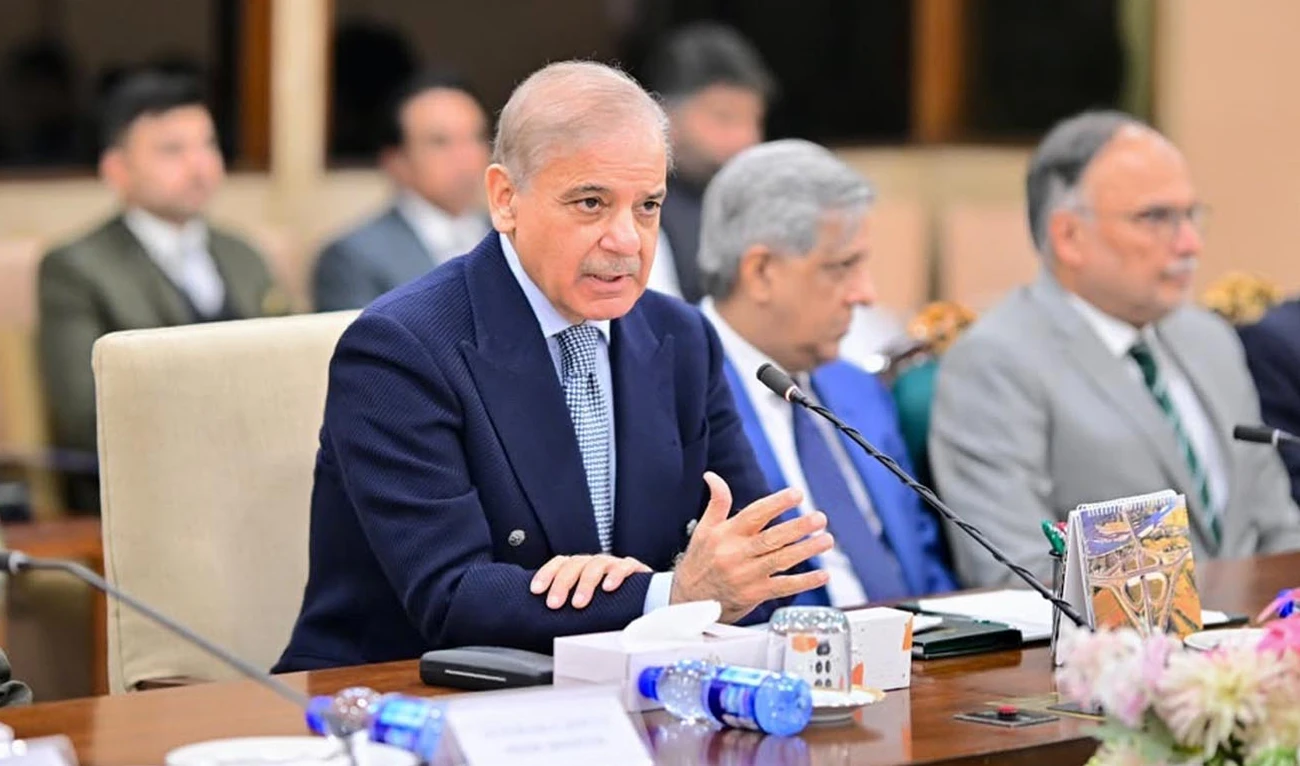
Kamal’s comments came months after Prime Minister Shehbaz Sharif stressed the need for informed decision-making and responsible parenthood to address Pakistan’s population-related challenges, according to the Pakistani information ministry.
He said the country’s annual population growth rate presented significant challenges for a country with regards to economic planning, employment generation, education, health care, housing, food, environment and infrastructure development.
“Every citizen, irrespective of race, ethnicity, or background, particularly the most vulnerable segments of society, deserves equal access to essential services and due consideration in future planning,” he said, urging all stakeholders to promote equality and sustainable development.
In July, Pakistan’s government also established the National Population Council to formulate a comprehensive and an effective national strategy on population and development.
The high-level forum aims to ensure policy coordination between federal and provincial governments, strengthen institutional collaboration, and provide strategic policy guidance for the implementation of the National Population Program. It will also facilitate timely and effective decision making in line with national priorities.