- Dealers give government 15 days to address demands for monthly price revisions, citing losses on fuel stocks
- Retailers seek an 8 percent margin and want the government to retain control over fuel prices
KARACHI: Pakistan’s fuel dealers have threatened to shut petrol stations nationwide unless the government addresses their demands within 15 days, including replacing daily fuel price reviews with monthly revisions, the head of their trade association told Arab News this week.
Pakistan moved from fortnightly to weekly fuel price reviews after the Middle East conflict disrupted energy markets, then adopted daily reviews in July as renewed hostilities between the United States and Iran pushed up oil prices. The government said the change would allow domestic prices to reflect international markets more quickly. The oil regulator can revise prices daily and has also issued prices covering several days at a time.
The dispute highlights how swings in global oil markets reach petrol stations in an import-dependent country. The Pakistan Petroleum Dealers Association (PPDA), which says it represents about 14,000 stations nationwide, says retailers can be forced to sell fuel at a loss if the regulated price falls before they have sold stock bought at a higher price.
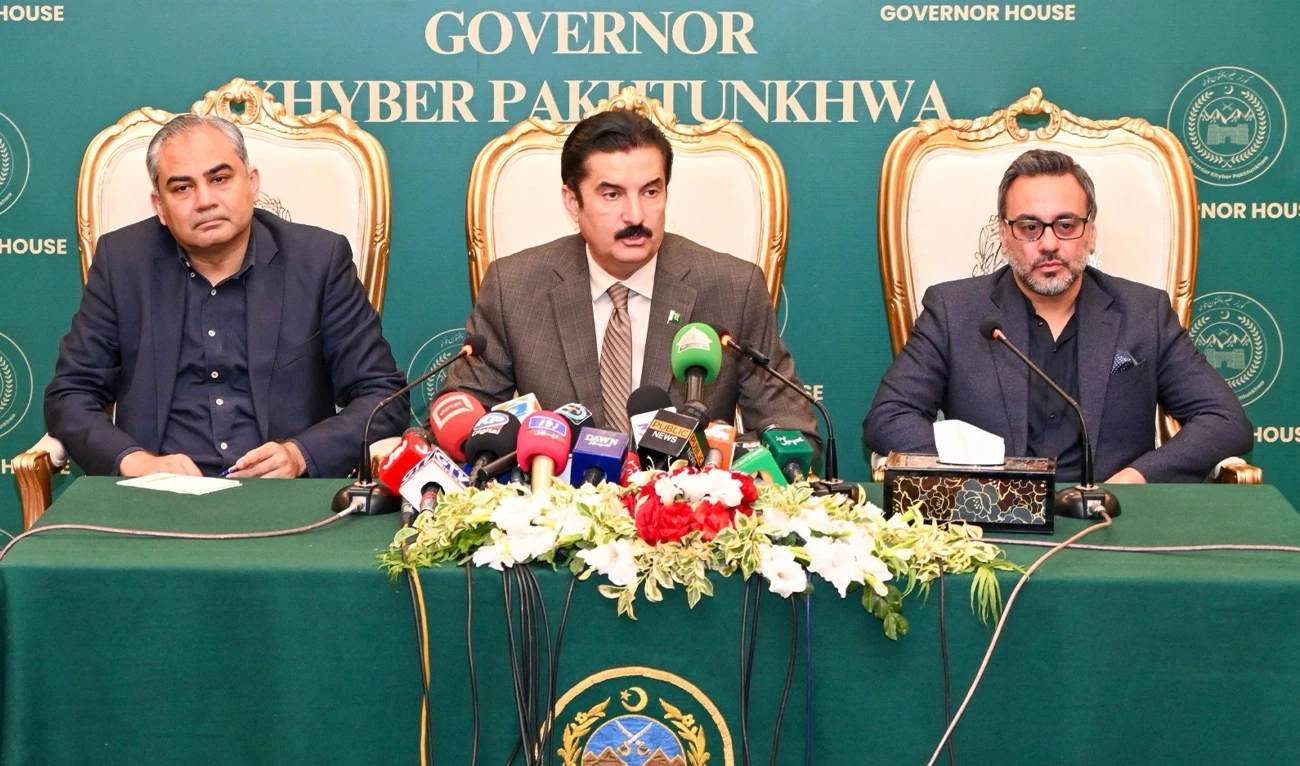
“We have given them 15 days to call us and discuss it with us and finalize it,” PPDA Chairman Malik Khuda Bakhsh told Arab News on the sidelines of a press briefing in Karachi.
“If they do not comply, the business will be shut down.”
Petroleum Minister Ali Pervaiz Malik and ministry spokesperson Zafar Abbas did not respond to requests for comment.
The union’s threat comes as Pakistan seeks to diversify its fuel supplies. On Sunday, Pakistan State Oil signed a petroleum products supply agreement with Oman’s OQ Trading, which agreed to extend a $200 million credit line for purchases. The deal came as attacks on tankers near Oman disrupted shipping through the Strait of Hormuz, a route that carried about a fifth of global crude oil supplies before the war.
Industry figures put Pakistan’s daily consumption at about 29.5 million liters of petrol and 20.9 million liters of diesel. A widespread shutdown could disrupt road transport and freight even if imported fuel continues to arrive.
“We have three demands. One is [to do away with] the 24-hour pricing formula,” Bakhsh said.
“You buy something for Rs100 (36 cents), it becomes for Rs90 (33 cents) the very next morning and you lose Rs10 (3.6 cents) right there,” he said.
“How will you do business? Each supply is worth at least Rs4 million ($14,467).”
The association also wants the government to retain control over fuel prices as it considers giving oil marketing companies more authority to set them. The government described the July pricing change as part of a broader plan to deregulate the fuel market.
“The pricing formula should rest with the government. It would remain under control,” Bakhsh said.
The dealers are also seeking to raise their margin to 8 percent from what the association puts at 2.59 percent. Bakhsh said the government had promised an increase but shelved it during the conflict.
“We have their word. It was halted because of the war. We are facing financial losses,” Bakhsh said.
PPDA Vice Chairman Tariq Hasan estimated that dealers were losing about Rs100,000 ($362) per station per day under the current system. He said some retailers were also struggling to replenish stocks because oil marketing companies were reluctant to sell when prices were falling.
“Stability will come from 30 days. Your prices will be in control,” Hasan said.
“As long as there was a war, we stood with them. Now there is no war. Now we will not stand with them.”
Another PPDA vice chairman, Anwar Kamal, said some dealers had sold personal assets to keep their stations operating. He said the association’s core committee would decide its next move if the government failed to engage within 15 days.
“We are going to do nothing but strike, shutdown, not a strike, shutdown,” he said.