- Islamabad and Beijing agree to fast-track gasoline import plans, propose liquefied petroleum gas plant
- Pakistan gets 81 percent of its fuel imports from Gulf states, the IMF said in April
KARACHI: Pakistan and China agreed to accelerate talks on a gasoline import arrangement and a proposed liquefied petroleum gas plant, Pakistan’s petroleum ministry said on Wednesday, as disruptions from the US–Iran war expose Islamabad’s reliance on Gulf fuel supplies.
The war disrupted shipping through the Strait of Hormuz, a key route for Pakistan’s energy imports. Pakistan secured emergency crude shipments through Saudi Arabia’s Red Sea port of Yanbu after its crude stocks fell to about 11 days’ supply, according to the Pakistan Institute of Development Economics. In March, Islamabad raised gasoline and diesel prices by 55 rupees ($0.20) a liter as global oil prices surged.
The International Monetary Fund said in April that Pakistan sourced 81 percent of its fuel imports from the six Gulf Cooperation Council countries and was paying higher prices, particularly for refined products. A gasoline import arrangement with China could give Pakistan another way to secure supplies.
China’s energy investments in Pakistan already include coal and hydropower projects under the China–Pakistan Economic Corridor. The latest talks bring fuel storage and distribution into focus. The proposed plant would expand domestic supplies of liquefied petroleum gas, or LPG, a fuel used for cooking and heating, and include storage and terminal facilities to help ease seasonal shortages, the ministry said.
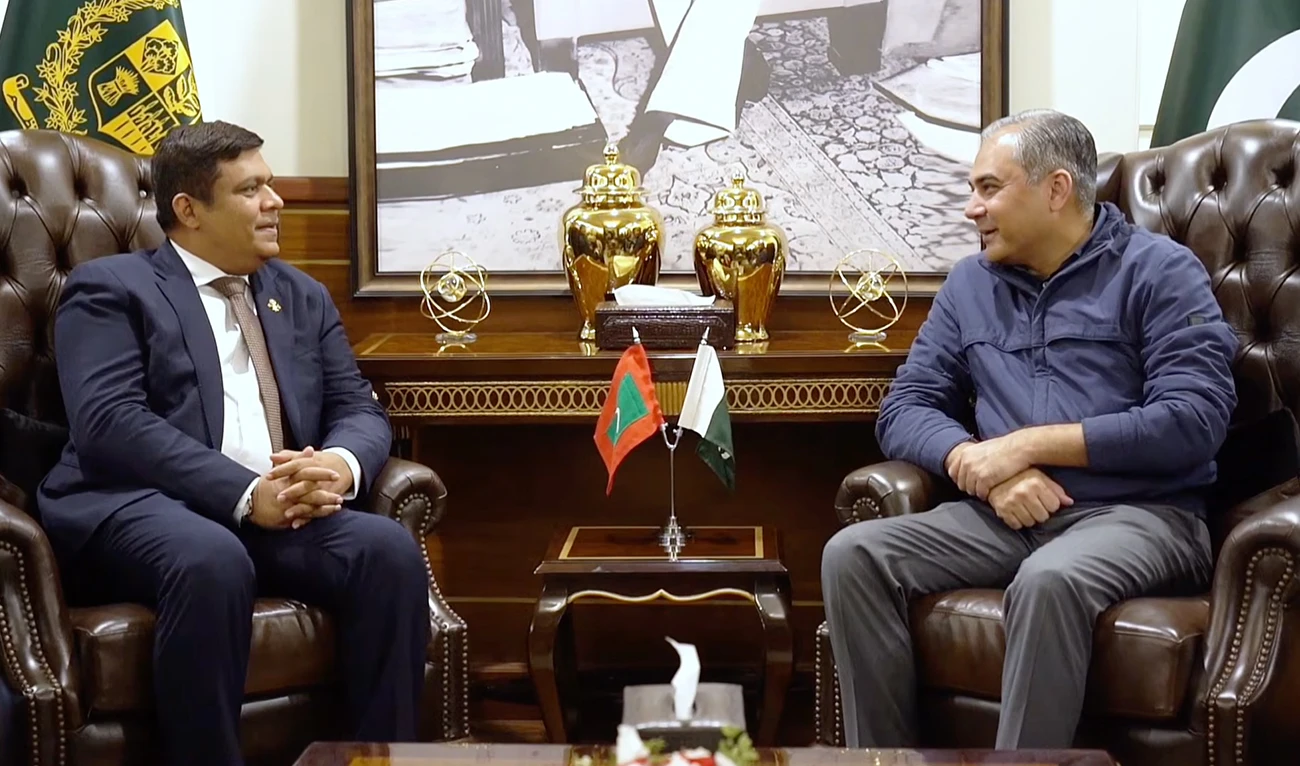
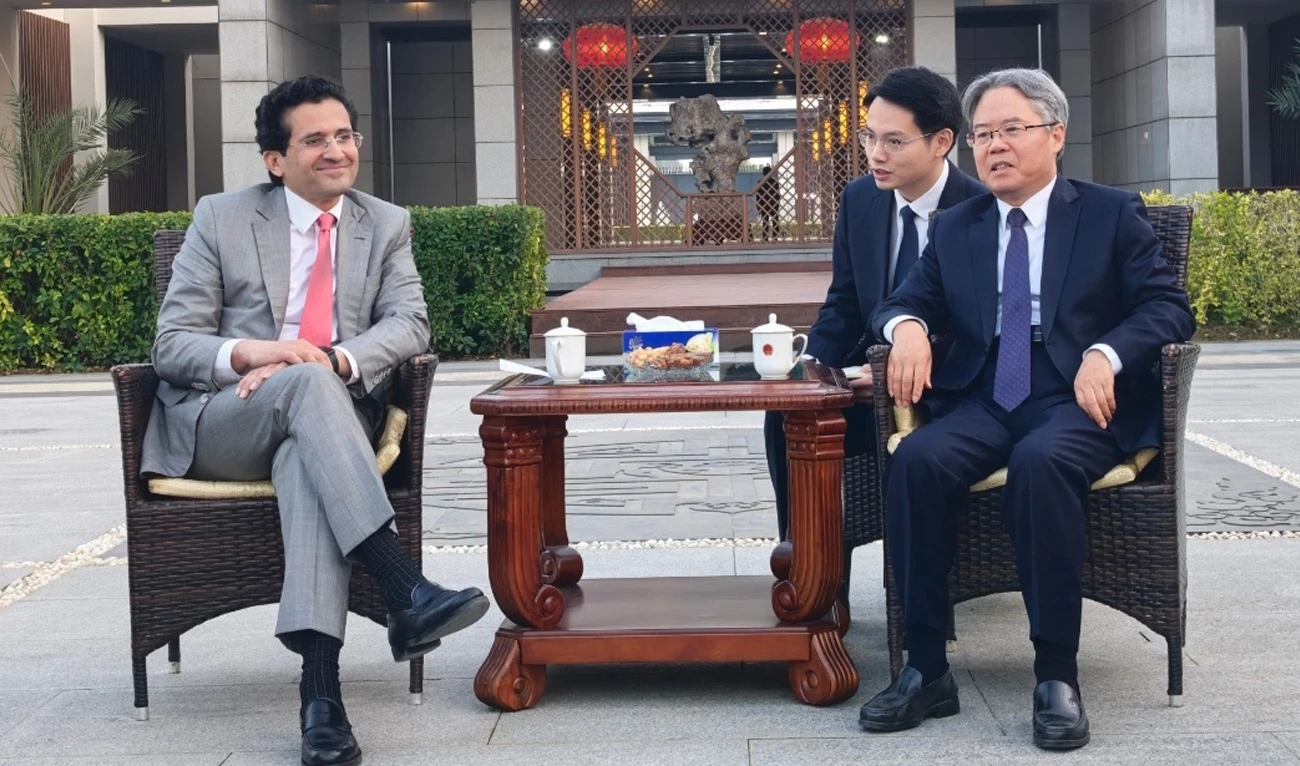
“We want to move decisively from discussions to implementation,” Petroleum Minister Ali Pervaiz Malik said in the ministry’s statement after meeting Chinese Ambassador Jiang Zaidong.
The two sides agreed to form a joint commercial team to assess the proposals, approach prospective companies and work out how the projects could be structured. The ministry announced no gasoline purchase volumes or pricing terms and gave no location, capacity or construction schedule for the LPG plant.
Pakistan State Oil, whose chief executive attended the meeting, was identified as a potential partner for Chinese companies interested in fuel storage and terminals. The team will also examine possible investment in oil and gas exploration, including offshore projects, and in mining. The talks covered opportunities in Balochistan and potential partnerships with Pakistan’s Oil and Gas Development Company.
Jiang welcomed the proposed framework and said the Chinese Embassy and its commercial team would help coordinate follow-up, according to the Pakistani petroleum ministry.