- Current 5.5–7.5 percent inflation range was calculated in July using an $80-a-barrel oil assumption
- Bank estimates a 10 percent rise in global energy prices would add 1.2 percentage points to inflation after a year
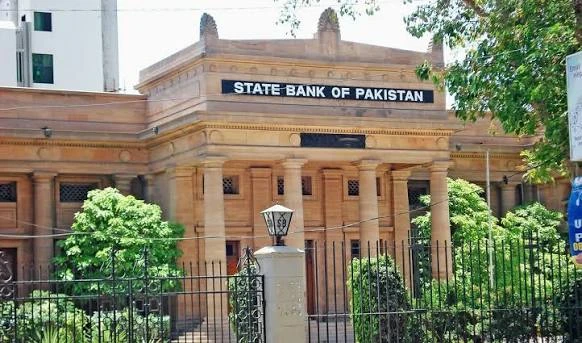
KARACHI: Pakistan’s central bank said it would revise its inflation forecast in January to account for higher oil prices, warning in its annual economic report this week that the Middle East conflict continued to put pressure on household costs.
The State Bank of Pakistan’s current projection puts average inflation at 5.5–7.5 percent for the fiscal year ending June 2027. But that range was calculated in July using an oil price of $80 a barrel, the bank said in the report released on Monday.
The conflict has already raised fuel and transport costs in Pakistan, which relies on imported energy. Annual inflation reached double digits during the previous fiscal year before easing to 9.6 percent in October, still above the bank’s medium-term target range of 5–7 percent.
The inflation “projection range will be revised in January 2027 to account for higher oil prices and other key developments,” the report said in a note accompanying its forecasts. It did not give a replacement range.
The report estimated that a 10 percent increase in global energy prices would raise Pakistan’s consumer inflation by 1.2 percentage points after a year, with the effects persisting for two years. Food inflation would rise by an estimated 1.3 percentage points, it said.
Inflation averaged 7.1 percent in fiscal 2025–26, up from 4.5 percent the previous year. The bank said higher energy prices had fed through to bus and rickshaw fares, among other services, and affected households’ and businesses’ expectations of future inflation.
Despite the price risks, the central bank projected economic growth of 3.5–4.5 percent in the current fiscal year and a current account deficit of no more than 1 percent of gross domestic product. It said remittances from Pakistanis working abroad were expected to help contain the external deficit, while higher commodity prices would add to the import bill.