


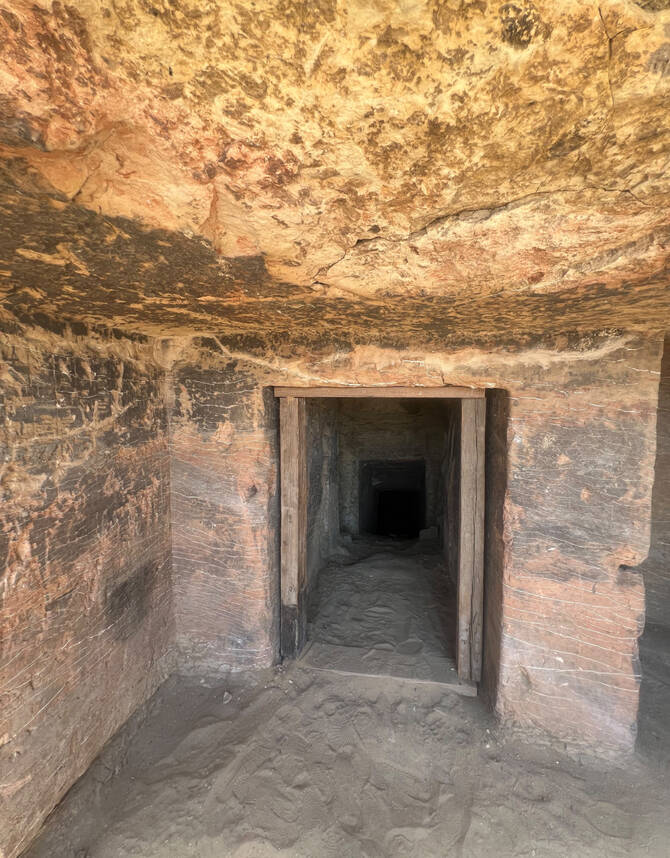
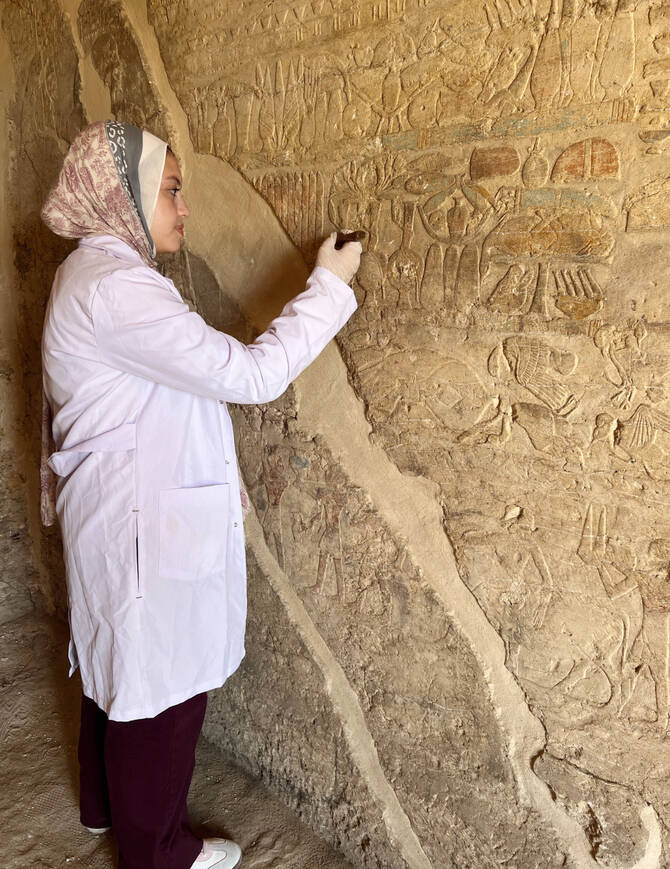
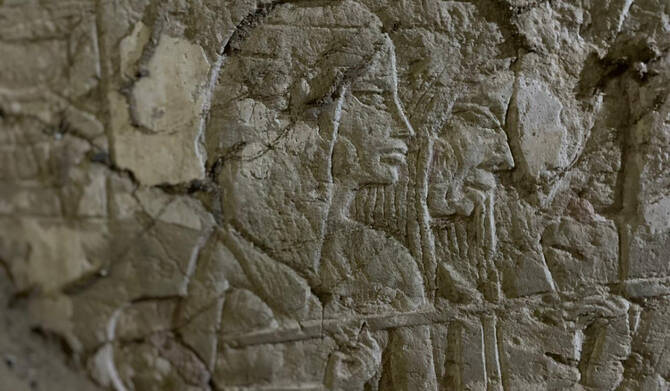

CAIRO: An Egyptian archaeological mission has discovered three rock-cut tombs from the New Kingdom period at the Bubasteion necropolis in Saqqara.
The tombs, in Giza governorate, south of Cairo, date back to the 18th Dynasty, which included rulers such as Tutankhamun and Akhenaten, the Ministry of Tourism and Antiquities said on Sunday.
Dr. Amr El-Teibie, director-general of Saqqara antiquities and head of the mission, said the discovery was the first of its kind in the eastern area of Saqqara.
The excavation work had been underway for several months before the tombs were uncovered, he told Arab News.
Hisham El-Leithy, secretary-general of Egypt’s Supreme Council of Antiquities, said that the discovery offered valuable insights into the lives of those buried there and shed light on chapters of history that had been hidden beneath the sand for thousands of years.
The findings would enrich archaeological research on Egyptian society during the period, he said.
Archaeologists at the site are continuing to excavate the burial shafts in search of further details about the tombs and their owners.
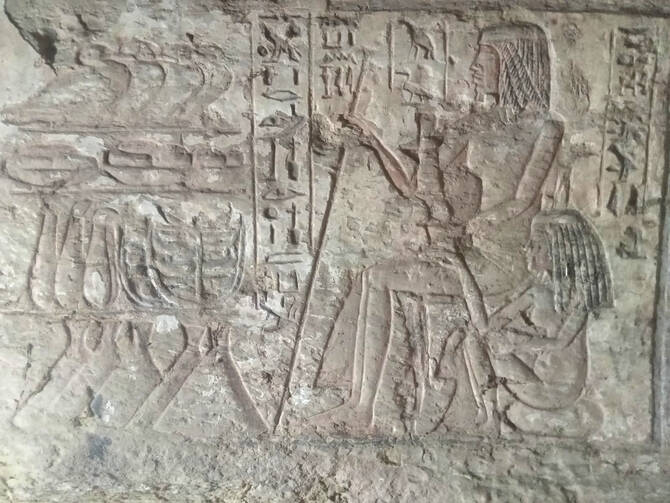
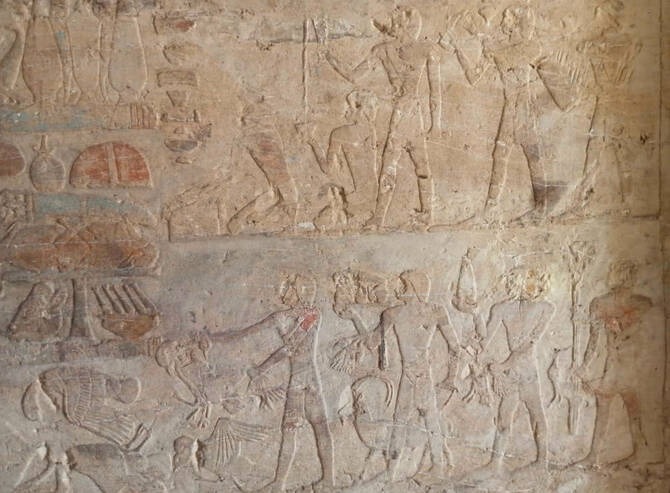
The first belonged to Mentuhotep. Its northern wall features scenes of people hunting and bearing offerings and a depiction of the tomb owner seated with his mother, Ahhotep.
There are also inscriptions of the titles held by Mentuhotep, including “Hereditary Prince,” “Royal Court-Servant,” “One Who Pleases the Ruler,” “Overseer of Foreign Lands” and “Overseer of the Army of the City of Khepshet.”
These indicate that Mentuhotep was a high-ranking official in both the administration and military during the early New Kingdom.
El-Teibie said that the tomb also contained a burial shaft that had not yet been fully excavated and that the next archaeological season could “yield more information about Mentuhotep’s mother, the family’s history and its role in ancient Egyptian administration.”
The second tomb belonged to Bar-em-Waya, also known as Samut, who served as “Chief Merchant of the House of Ptah.”
It preserves the names of his wife, Tuy, who held the title of “Lady of the House,” his mother, Atpeu, who was a singer of Amun, and his four sons.
The third tomb belonged to Nehsi. Although it is in poor condition, its surviving inscriptions identify the owner as “Overseer of the House” and name his wife as Neferutah.
Former Antiquities Minister Mamdouh El-Damaty told Arab News that Saqqara continued to yield new treasures and secrets from across ancient Egypt’s long history.
“Although Saqqara is linked mainly to the Old Kingdom, it also bears witness to the late and modern periods of Egypt’s history,” he said, adding that Thebes was the religious capital during the 18th Dynasty, while Memphis served as the political capital, with military commanders based there.
Egyptologist Hussein Bassir said that the discovery underlined the significance of the New Kingdom, when ancient Egypt reached its peak in several fields.
Each new tomb uncovered in Saqqara confirmed that Egypt still held many secrets and added another layer to the history of the ancient Memphis necropolis and daily life in ancient Egypt, he said.


