

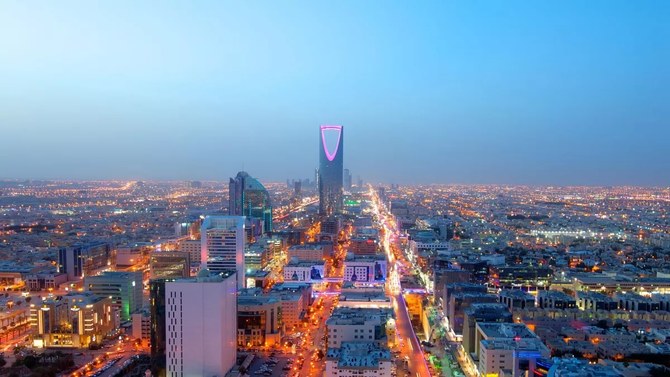

RIYADH: The business landscape in the Middle East is projected to grow despite global economic challenges, an industry report has predicted.
Issued by PwC Middle East, the report titled “Strategic growth beyond oil: Economic diversification and decarbonization expected to boost dealmaking in the region,” sheds light on the region’s potential and readiness to embrace a new era of investment diversity and development opportunities.
The region’s deal market is showing resilience and promise, unaffected by the global macroeconomic and financial turbulence seen in 2023, PwC’s TransAct analysis said.
It added that this strength stems from robust economic foundations and supportive government policies across the region, which have maintained investor confidence and market activity even as other areas grapple with financial slowdowns, rising interest rates, and recession concerns.
The study points to the region’s economic fundamentals and strategic policy support as key drivers.
Countries in the Middle East are embracing digital transformation, enhancing their non-oil sectors, and championing energy transition, aligning with broader diversification goals.
PwC Middle East’s experts advise businesses to capitalize on this environment by engaging in strategic transactions like mergers and acquisitions, divestitures, joint ventures, or refinancing.
“Despite notable declines in comparison to 2022, it is anticipated that the deal market will remain active and grow in many sectors in 2024 as governments continue to advance their strategic agendas and diversify their economies,” the report stated.
Furthermore, Romil Radia, regional deals clients and markets leader at PwC Middle East explained that the mergers and acquisitions division has shown remarkable resilience, boosting investor confidence in the region and increasing active dealmaking.
“We anticipate that 2024 will be a year of growth and activity will be driven by economic diversification goals, decarbonization, and a focus on localization and value creation as organizations transform their business models and look to expand capabilities,” Radia added.
The report also casts a spotlight on the burgeoning opportunities in net-zero initiatives and the energy transition, presenting new avenues for investment in essential infrastructure and technologies like hydrogen, solar, wind, and carbon capture.
This shift is paralleled by an increasing eagerness among firms to channel funds into sustainable energy sources, reflecting a broader commitment to environmental stewardship.
Technology stands out as another arena for deals in the coming year, particularly in cybersecurity, cloud computing, and e-commerce.
“The Middle East’s active adoption of the digital revolution has further accelerated this trend, with countries like Saudi Arabia, UAE, Qatar, and Bahrain, outlining economic visions that involve substantial adoption of advanced technologies, including Gen AI,” the study stated.
The report also urged companies to invest in skill development and education, ensuring their teams are equipped for the dynamic shifts in the business environment.


