
AL-MUKALLA: A UN panel of experts has named top official Abdulkader Al-Murtada as an abuser of inmates in Houthi detention.
Al-Murtada is the head of the Houthi National Committee for Prisoners’ Affairs and the Iran-backed militia’s negotiator in UN-brokered prisoner swap talks.
The experts’ judgment has confirmed previous claims made against Al-Murtada by former captives.
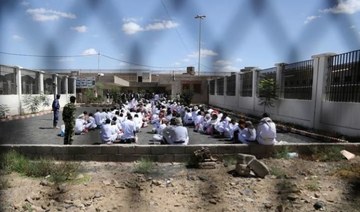
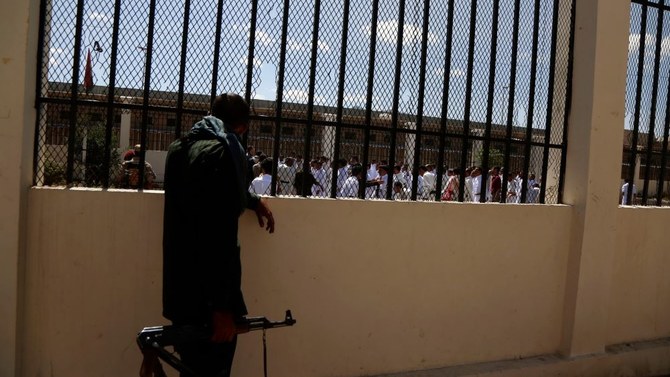
In its 305-page report on Yemen, the panel accused Al-Murtada and other unnamed Houthis of severely abusing captives within the Central Security Camp prison in Sanaa, which is controlled by Al-Murtada. The treatment had resulted in the death of some detainees, and lasting injuries.
The experts said: “Prisoners are systematically subjected to torture and other forms of cruel, inhuman, or degrading treatment, or punishment perpetrated by the prison’s staff.
“Based on the multiple reports received by the panel, various members of the prison’s management were and still are torturing the prisoners, including Abdulkader Al-Murtada.”
They added that prisoners were subjected to systematic psychological and physical torture inside the Al-Murtada-operated detention facility. Measures included forcing captives to stand for long periods, hitting their heads against the wall, dragging them, beating them with metal or electric wires, and banning doctors from performing lifesaving surgeries on tortured prisoners.
If the detainees asked for medicines, their Houthi captors sold them at exorbitant rates, although these had been received free from relief groups.
The panel also gathered evidence of extortion. Prisoners and their families were forced to pay high amounts to make brief phone calls or to meet, the report said, adding that the phone calls were often allowed “for the sole purpose of requesting families to transfer additional money, which will be administered by the prison’s management on behalf of each prisoner.”
Many former Houthi captives freed as part of prisoner exchange deals between the Yemeni government and the militia have said that Al-Murtada personally tortured them, or that they saw him and his colleagues mistreat inmates.
Citing the case of the kidnapped young Yemeni model and actor Entesar Al-Hammadi, along with other women, the experts said they were subjected to harsh mistreatment by their Houthi captors, with some of the women sexually assaulted and others put on trial.
The report added: “Women in detention are also sexually assaulted, in some cases subjected to virginity tests, and are often prevented from gaining access to essential goods, including feminine hygiene products.”
The report stated that the Houthis had also subjected more than 1 million Yemeni children to indoctrination and brainwashing. The youngsters had joined Houthi summer camps in 2023.
It added: “The panel documented that children as young as 10 years old are exposed to military training. The Houthis are also giving monetary incentives to promote a higher attendance rate in the summer camps by waiving the registration fees for the next school year.”
Hamzah Al-Jubaihi, a Yemeni journalist who suffered at the hands of Al-Murtada before his release in late 2021, thanked UN experts for naming and shaming the Houthi figure and urged the international community to sanction him.
Al-Jubaihi told Arab News: “This person personally tortures the detainees, both physically and psychologically, and he has a terrorist and sadistic mindset, as well as an inferiority problem.
“He was tormenting the inmates in front of me and stamping on their faces with his shoe.”