

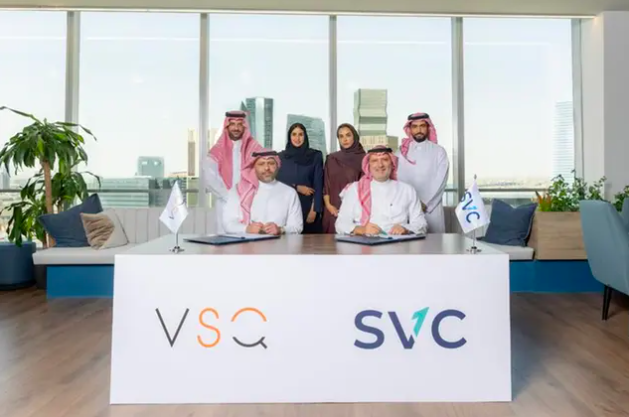

RIYADH: Early-stage fintech startups in Saudi Arabia are set to receive a boost as Saudi Venture Capital has announced its intention to invest up to SR18.75 million ($4.99 million) in a dedicated fund managed by VentureSouq, according to a press statement.
This move comes as part of SVC’s Investment in Funds Program which aims to support the development of the venture capital ecosystem in Saudi Arabia for all sectors and stages, according to Nabeel Koshak, CEO and board member at SVC.
“This investment also comes to foster the growth witnessed recently by the fintech sector, which made it at the forefront of the venture capital scene in Saudi Arabia in 2022 in terms of the number of deals and value of investment,” he explained.
Koshak added: “This growth is driven by the launch of many governmental initiatives that stimulate the fintech sector, such as the ‘Saudi Fintech’ initiative launched by the Saudi Central Bank in partnership with the Capital Market Authority.”
He went on to mention that the Kingdom’s fintech strategy is a new pillar within the Saudi Vision 2030 Financial Sector Development Program, aiming to support the Kingdom in being among the leading countries in the field of fintech.
On behalf of VSQ, Maan Eshgi, general partner, said: “Fintech continues to be one of the largest, most dynamic and most consequential spheres of innovation in the world. It serves the application of new technologies, including web3, AI, and quantum computing.”
He added: “From a magnitude of impact standpoint, we see Saudi Arabia leading the MENA (Middle East and North Africa) region in fintech. We are honored and thrilled with the continued trust of SVC, who has been a partner with VSQ for many years.”
In March, Minister of Finance Mohammed Al-Jadaan said that Saudi Arabia’s financial and digital sectors are flourishing as the Kingdom pushes ahead with its Vision 2030 economic diversification strategy.
Speaking at the Financial Sector Conference in Riyadh at the time, Al-Jadaan said Saudi Arabia has already achieved remarkable results as it seeks to establish a sustainable future away from its dependency on oil.
At the time, the minister also stated that the Kingdom is in the transitional phase to the new financial reality, as the percentage of electronic payments in the retail sector reached 57 percent of total transactions, and about 40,000 workers have been trained in the financial sector.
“Our experience and effective implementation of macro potential measures contribute to the resilience of the financial system against shocks. We see this clearly in the Saudi market,” he said at the time.


