

EU sanctions on Russia ‘could reduce KSA oil exports to Asia’

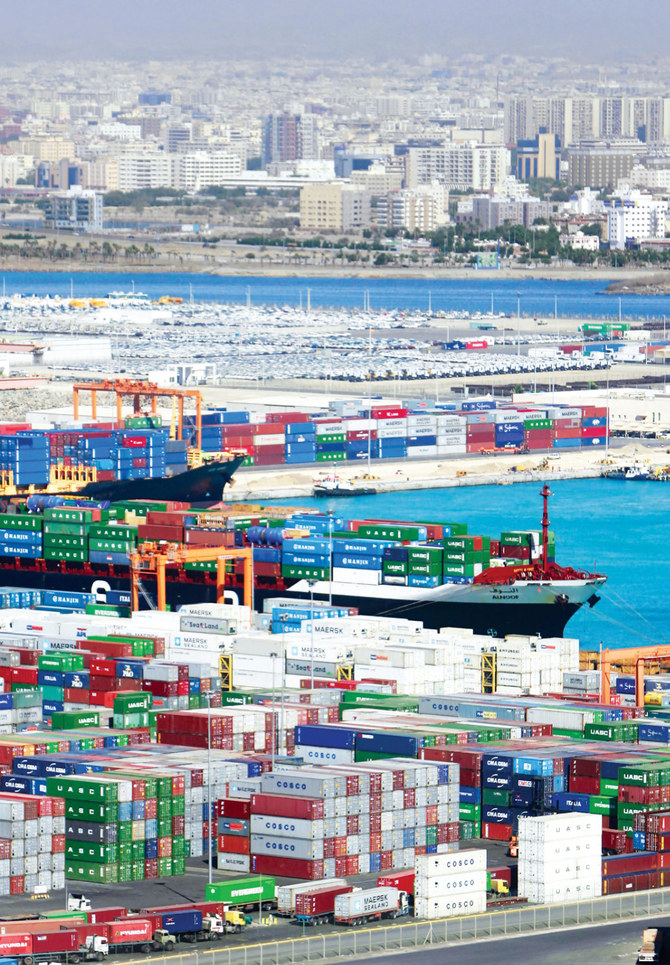
Russia’s energy exports to China increased in value by 17 percent in the July-August period compared with February and March, while exports to India rose by 5.7 percent, according to the KAPSARC report. (AFP)
Short Url
Updated 15 October 2022
Follow

EU sanctions on Russia ‘could reduce KSA oil exports to Asia’

  • Curbs on Russian energy exports will have only minimal impact on global economy, study suggests

RIYADH: Successive sanctions by the US and EU-led Western allies on Russia could slightly reduce Saudi Arabia’s oil exports to India and China, as the Asian giants will buy more Russian oil at a lower price, a report has suggested.

The analysis released by the King Abdullah Petroleum Studies and Research Center noted that the gross domestic product of India and China would benefit due to discounted oil imports.

The report on the effects of Russian sanctions on the global economy further added that sanctions on Russian energy exports would only have a minimal impact on the global GDP.

“One immediate implication of the sudden and unexpected global shift in crude oil supplies for Saudi Arabia is a short-term loss in market shares in India and China,” the KAPSARC report said.

It added: “This is reflected in a small -0.1 percent to -0.2 percent reduction in Saudi GDP relative to the growth the Kingdom would have experienced had the shock to Russian oil production not occurred.”

Meanwhile, in a recent report, Nikkei Asia revealed that Russian fossil fuel exports to China and India had risen significantly since Moscow’s invasion of Ukraine.

According to the report, the value of Russia’s energy exports to China increased by 17 percent between the July-August period compared with February and March, while exports to India increased by 5.7 percent.

KAPSARC, in its report, also added that oil prices are expected to rise 5 percent per annum from their baseline equilibrium in the next two years due to the sanctions on Russian energy exports.

Last week, in another report, the think tank said that effective Western sanctions on Russian could make the global oil market tighter, as picking viable alternatives to replace Russian energy exports seem difficult.

The report, written by KAPSARC research fellow Colin Ward, noted that US and Canada have successfully swapped imports as these nations were independent of Russian imports in the past. At the same time, European countries faced challenges, as they have depended on Russian energy for several years.


Mexico eyes trade expansion, targets Saudi market with premium rice exports

Updated 4 sec ago
Follow

Mexico eyes trade expansion, targets Saudi market with premium rice exports

RIYADH: Mexico is preparing to expand its trade ties with Saudi Arabia by exporting high-quality rice to the Kingdom, sources told Asharq Al-Awsat.

They said Mexico has an export offer for three premium rice varieties that meet the highest international standards.

Saudi Arabia imports limited quantities of Mexican rice, mainly for use in Mexican cuisine and in restaurants.

The latest initiative reflects the Kingdom’s position as one of the world’s largest rice consumers, with per capita consumption averaging 45.77 kilograms annually, the highest among plant-based food products.

Around 70 percent of consumption consists of basmati rice, while total annual imports exceed 1.3 million tonnes.

According to information obtained by Asharq Al-Awsat, the Saudi Ministry of Foreign Affairs received a request from the Mexican Embassy in Riyadh conveying the interest of the Mexican state of Nayarit in exporting premium rice to the Saudi market.

The embassy said that three rice varieties are available for export, including Super Extra Whole Grain Rice, long grain, with a monthly supply of 120 tonnes; Milagro Super Extra Rice, polished broad grain, with a capacity of 30 tonnes per month; and Morelos rice, a premium-grade variety.

Saudi Arabia has previously taken steps to encourage private-sector imports of Cambodian rice in a move aimed at diversifying supply sources alongside imports from India, Pakistan, the US, and Egypt.

Strong demand for favored rice varieties in Saudi Arabia and across the Gulf, combined with challenges such as rising shipping costs and climate-related disruptions, has occasionally led to price fluctuations. These factors have prompted the Kingdom to broaden its supplier base to ensure the availability of this commodity and maintain price stability.

The government recently decided to increase Pakistani rice imports to account for 20 percent of total needs, reinforcing supply stability and food security.

Forecasts suggest that per capita rice consumption in Saudi Arabia could rise to around 50 kg annually in the coming years, up from the current 45.77 kg, underscoring rice’s central role in the Kingdom’s food industry and traditional cuisine.