BRAZZAVILLE: Cases of coronavirus in Africa nearly doubled over a week as omicron spread, but hospitalizations in South Africa, where the new variant was discovered, remain low, the UN said Thursday.
In a weekly online press briefing, the World Health Organization’s (WHO) Africa branch said the continent had recorded 107,000 extra cases in the week to Sunday, compared with 55,000 in the previous week.
omicron “is reaching more countries in Africa,” it said, adding that research was being stepped up to see whether the new variant was specifically behind the sharp rise..
The biggest surge in numbers — 140 percent on average — was in the south of the continent.
However, in South Africa, which discovered the new variant last month, “severe cases remain low,” the WHO said in a statement.
“Emerging data from South Africa indicates that omicron may cause less severe illness,” it said.
“Data which looked at hospitalizations across South Africa between 14 November and 4 December found that ICU (intensive care unit) occupancy was only 6.3 percent.
“(This) is very low compared with the same period when the country was facing the peak linked to the Delta variant in July.”
The agency reiterated its objections to travel restrictions, which it said had been issued by more than 70 countries and were overwhelmingly aimed at southern Africa, even though countries in the region had been “transparent with their data.”
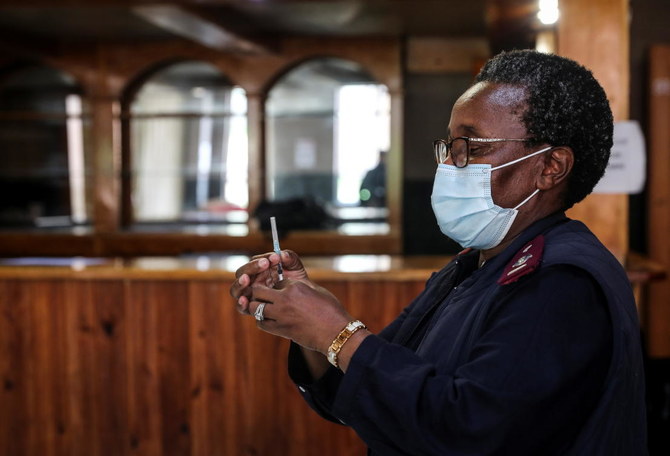
It also called on countries to step up vaccinations — only 7.8 percent of the continent’s roughly 1.2 billion people have been jabbed.
The biggest laggards in immunization are Chad, Djibouti and Democratic Republic of Congo.
A new vaccine supply system is being set in place to help African countries distribute them more easily, said Richard Mihigo, WHO Africa’s vaccination program coordinator.


![]()

Omicron spreading in Africa but data suggests ‘less severe’: WHO
Short Url
https://arab.news/2ug7k
Omicron spreading in Africa but data suggests ‘less severe’: WHO
- WHO’s Africa branch said the continent had recorded 107,000 extra cases in the week to Sunday
- Research was being stepped up to see whether the new variant was specifically behind the sharp rise


Latest updates


Recommended


© 2026 SAUDI RESEARCH & PUBLISHING COMPANY, All Rights Reserved And subject to Terms of Use Agreement.